Politics & Government
Selectmen Approve Creation Of Citizens Police Advisory Committee
The committee will help bolster transparency and accountability between the Greenwich Police Department and the community.


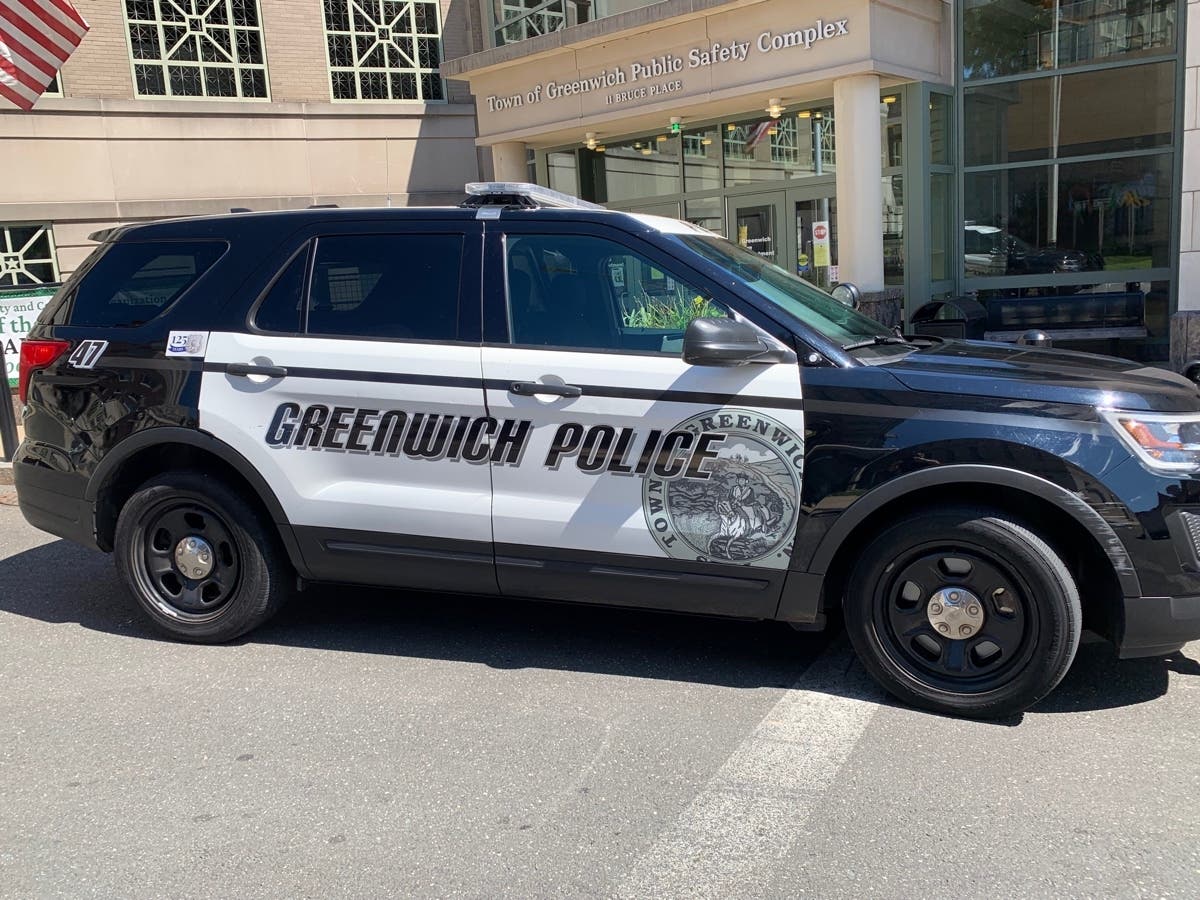
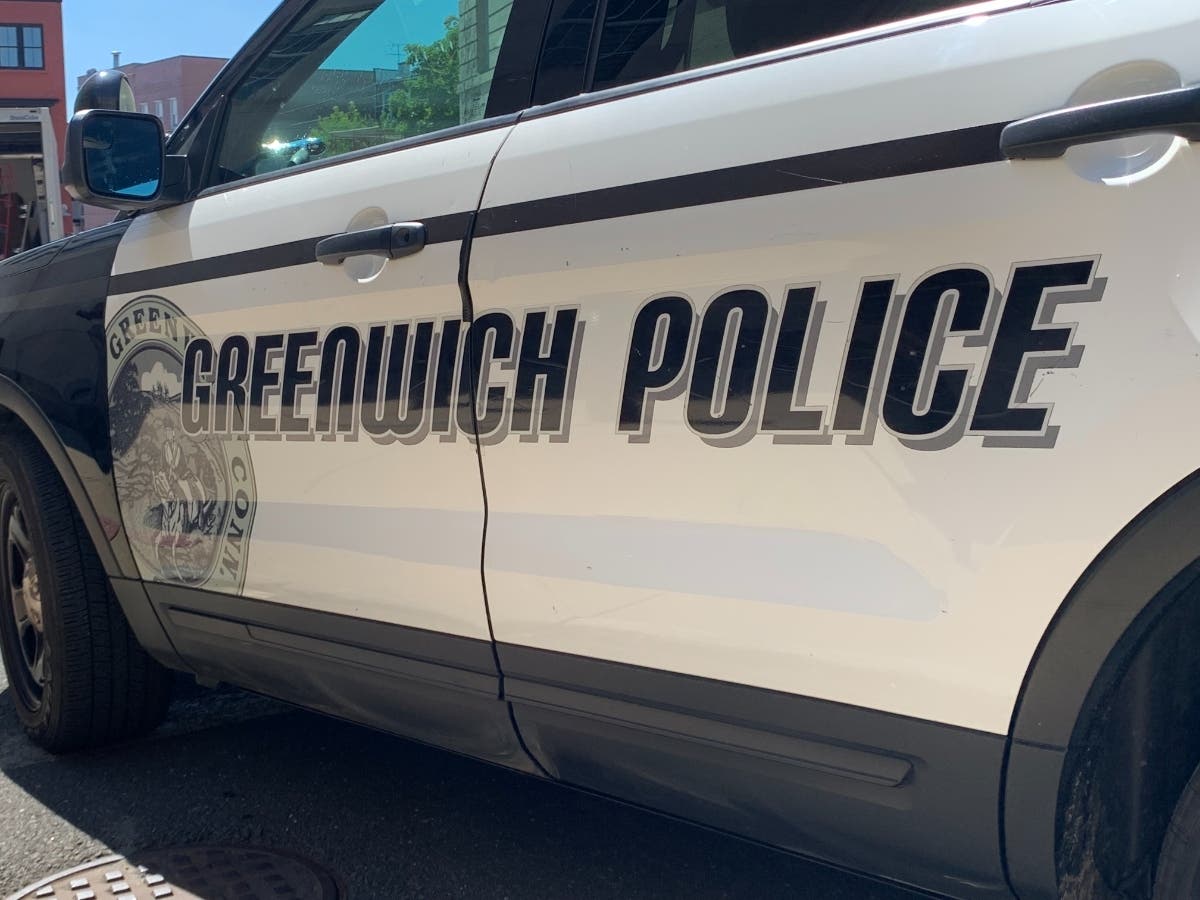
GREENWICH, CT — The Greenwich Board of Selectmen voted unanimously on Thursday to approve the creation of a Citizens Police Advisory Committee. The goal of the committee is to increase accountability and transparency between the Greenwich Police Department and the community.
According to the now approved policy, the committee will consist of 10 Greenwich residents over the age of 17, who are either graduates of the GPD Citizen Police Academy or are able to attend training sessions during their term.
The committee will hold quarterly public meetings, at a minimum, and review GPD performance reports, the annual report, and operations plans to provide recommendations to First Selectman Fred Camillo.
Find out what's happening in Greenwichfor free with the latest updates from Patch.
In his capacity as the GPD Police Commissioner, Camillo would have sole authority to make final decisions regarding discipline, unless otherwise prescribed in Town Charter, law, or labor contracts.
Committee meetings will feature a public hearing component so that the members could receive input from the Greenwich community on the operations and values of the GPD.
Find out what's happening in Greenwichfor free with the latest updates from Patch.
The committee has no subpoena power, but if the Board of Selectmen wanted to include that, an ordinance would have to be drafted and presented to the Greenwich Representative Town Meeting for ratification.
During the first read of the agenda item on Oct. 14, officials from the YWCA of Greenwich spoke against the language in the policy.
Erin Crosby, director of women's empowerment and racial justice at the YWCA of Greenwich, said "proposed requirements greatly increase the likelihood that the committee will be comprised of affluent and/or white residents who have never experienced police misconduct or bias within the justice system."
Oberlander said Thursday that she wasn't sure how the policy addressed the comments from the YWCA, as it had remained largely unchanged since Oct. 14.
"I think at the end of the day, I maintain my position that this is a starting position for the town," said Town Administrator Benjamin Branyan, who originally presented the policy to the board. "I think this is step one and phase one. We understand the comments raised by the YWCA... By no means is it perfect, by no means is any proposal perfect, but I think this is a good first step."
Branyan said the Board of Selectmen can alter any part of the policy at any time, except as where outlined in Town Charter or other law or regulation.
The ability for members to attend public safety training sessions during their term was added to the policy language during Thursday's meeting. The original draft policy required committee members to graduate from the academy, or commit to graduating within one year of appointment.
The YWCA of Greenwich felt that caveat excluded certain members of the community who might work a second job at night, or lack access to after-hours childcare.
The GPD's Citizen Police Academy is generally held twice a year, with night classes.
Camillo and GPD Chief James Heavey said accommodations can be made, such as offering hybrid Zoom and in-person training sessions, as well as weekend courses.
Continued education and "learning on the go" for members will also be a priority, Heavey said, as different policing topics are discussed.
"I think it's not an unreasonable request if we can make some accommodations, so no one will be excluded solely based on their ability to attend a traditional Citizen Police Academy. We will work with whoever it is to make sure they get that opportunity [for training]," Heavey said.
Camillo also suggested that future Boards of Selectmen go through the Citizens Police Academy to get an understanding of what policemen and women go through. The Board of Selectmen also serves as the Police Commission.
Oberlander also said if the goal of the policy was to increase accountability and transparency between the department and community, why not just release monthly performance reports, Internal Affairs Investigation documents and citizen complaint information to the public?
Heavey said a large part of the advisory committee is about increasing communication.
"We could certainly post things on the internet and on a log, but I think it's better to have a dialogue where people can ask questions and get some return so they have a better understanding of why we do the policing that we do," Heavey said.
Oberlander added that in conversations with the YWCA, she was made aware that some residents wouldn't feel comfortable going to a police department. Heavey said he's willing to meet anyone anywhere to have a conversation about how the police department operates.
The concept of the policy for the committee started in the summer of 2020 when the Connecticut General Assembly passed the sweeping police accountability bill, Public Act 20-1. There were also protests and demonstrations that summer in response to the killing of George Floyd and other incidents involving police.
Camillo said that while Greenwich doesn't have the problems that other agencies might have across the country, having an advisory committee would still be beneficial to the town.
"Even though we have a very good police force with a great tradition and a good track record, you want to be proactive and certainly reflect modern policing," he said.
Get more local news delivered straight to your inbox. Sign up for free Patch newsletters and alerts.