Community Corner
CHS Free Admission “Black Citizenship in the Age of Jim Crow"
First Saturdays are free at the CHS and Sept. 7 is last Saturday to visit "Black Citizenship in the Age of Jim Crow" exhibit for free.

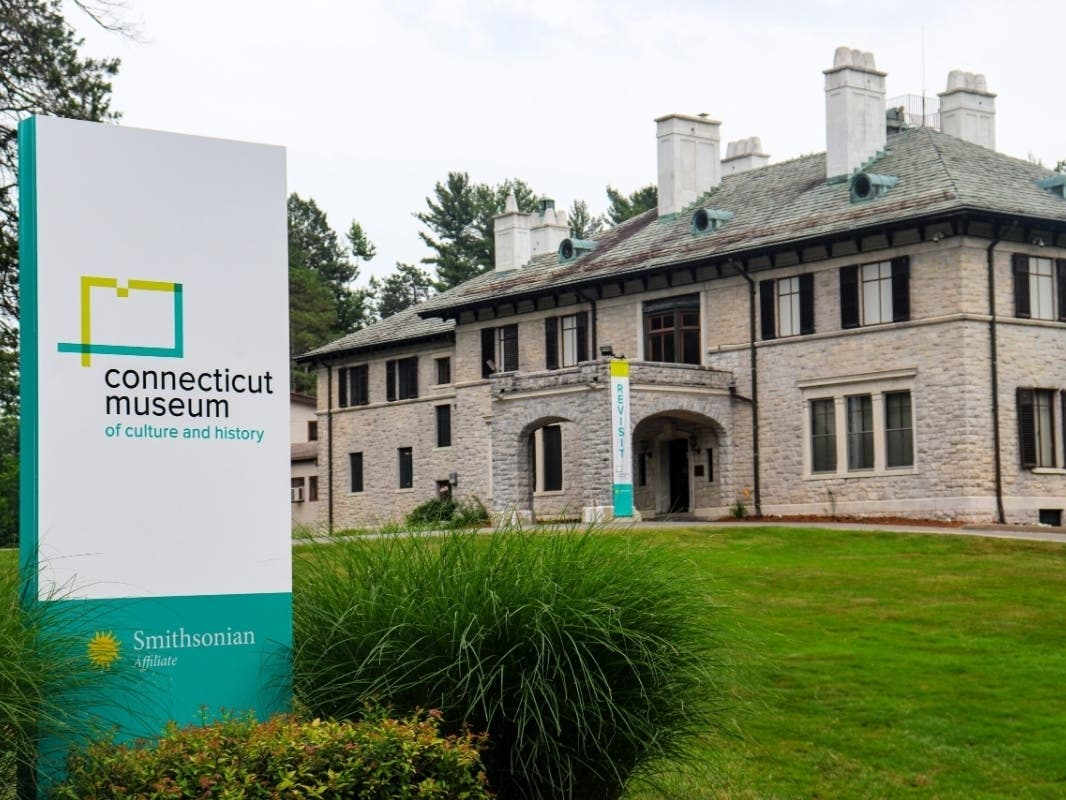
Saturday, September 7, will be the last chance visitors to The Connecticut History Society (CHS) can enjoy free admission to the “Black Citizenship in the Age of Jim Crow” traveling exhibition. The exhibit, which comes to the CHS from the New-York Historical Society, explores African Americans’ struggle for full citizenship and equal rights, focusing on the transformative 50 years after the Civil War. Using art, artifacts, photographs, silent films and other types of media, the exhibit tells the story of reconstruction, black advancement, and the backlash that was manifested in segregationist “Jim Crow” laws. The exhibit continues at the CHS through September 14.
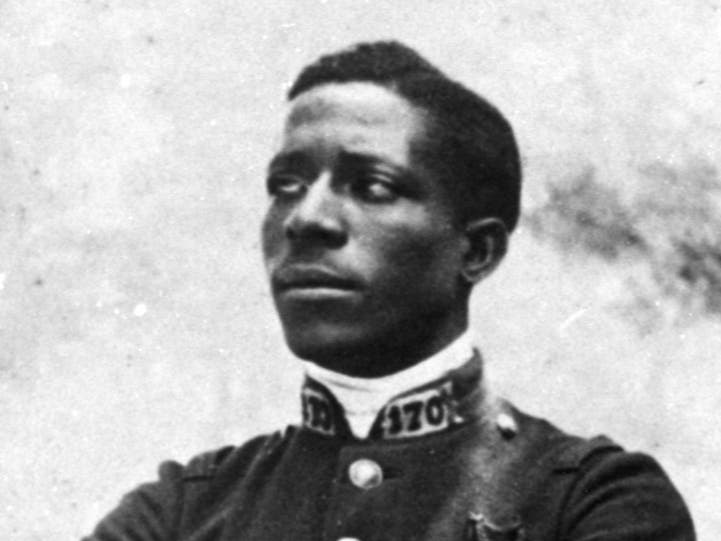
The popular exhibition gives a detailed account of the period in American history that started with the end of the Civil War and the passage of the Fourteenth Amendment to the Constitution (all persons born in the United States were citizens and equal under the law) and the Fifteenth Amendment (the right of citizens to vote). It documents a move towards interracial democracy during the next half century – along with setbacks such as the introduction of legal segregation, the idea of “separate but equal” public facilities (1896 U.S. Supreme Court case, Plessy v. Ferguson), and the enforcement of local laws that limited or blocked voting rights. It also includes details and documentation on lynchings and other heinous crimes and acts of terrorism against black Americans during this time. The timeframe of the exhibit ends after World War I – in which more than 350,000 African-American men fought.
In addition to the original exhibit, the CHS included Connecticut-themed objects in the exhibition from its collection to provide a local context to this national story. Objects only on view during the exhibit’s run at the CHS include:
Find out what's happening in Greater Hartfordfor free with the latest updates from Patch.
· Marriage Certificate between David Hall and Zora Evans – Lithograph of marriage certificate, 1878.
· Mechanical banks made by J & E Stevens Company, Cromwell, Conn., the nation’s largest producer of cast iron toys in the mid-1800s. During this time, mechanical banks and children’s toys perpetuated anti-black sentiment with racial stereotypes, often portraying black caricatures hitting their heads, falling, and other humiliating things. These banks were wildly popular and reflect the deeper cultural and systemic degradation of blacks during this time.
Find out what's happening in Greater Hartfordfor free with the latest updates from Patch.
· Letter from Frederick Douglass, 1863, to Edwin M. Stanton, that recommends George T. Downing for Brigade Quarter Master of Colored Troops. Thinks that "office or no office, equal or unequal pay, bounty or no bounty, the place for colored men is in the army of the United States," and that such an appointment would strengthen the claims of African Americans upon the country.
· Poplin dress belonging to Rebecca Primus, 1868. On loan from the Wadsworth Atheneum Museum of Art, Gift of Edward A. Singleton. Rebecca Primus was born in 1836 in Hartford to a socially prominent black family. She completed high school and became an educator. During the early years of Reconstruction, Primus moved south to Royal Oak, Maryland, to establish and teach at a school for previously enslaved African Americans under sponsorship of the Hartford Freedman's Aid Society.
· Springfield Model 1863 Rifle Musket. Courtesy of the Museum of Connecticut History. This musket descended in the family of Gordon W. Stewart, who was a 1st Lieutenant and Captain in Connecticut's 29th Colored Regiment during the Civil War. The musket would have been part of the equipment of a rank and file soldier.
Additionally, the lives of prominent black figures such as Booker T. Washington, Ida B. Wells and W. E. B. DuBois are explored, as are many lesser-known but impactful historical figures who each contributed positively and meaningfully to America’s story.
“This exhibit is a very honest telling of a promising yet painful time in America’s past when the idea of interracial democracy was being both pursued and resisted,” said Ilene Frank, Chief Curator and COO at the CHS. “The New-York Historical Society did an amazing job developing this exhibit, which was developed in collaboration with New-York Historical Trustee Dr. Henry Louis Gates Jr. and Reconstruction-era scholar Dr. Eric Foner. We are privileged to be the first stop on a multi-year journey for this exhibit and welcome all Connecticut residents to experience this powerful reflection on the struggle for African American citizenship.”
This exhibit highlights the ways in which black Americans resisted oppression, defined their own lives, and found strength within their communities. But the story of Jim Crow is grim and sometimes shockingly violent. The materials in the exhibit do not shy away from these realities. Visitors should be prepared for emotional responses to some of the material.
Lead support for the Black Citizenship in the Age of Jim Crow exhibit at the CHS comes from Resources Management Corporation, Stanley Black & Decker, Crown Market, Ledger@90, Barnes Group and Seabury. Major support for the original initiative at the New York Historical Society came from the New York City Council, the National Endowment for the Humanities: Exploring the human endeavor, and the Ford Foundation.