Community Corner
Can The Tragedy Of Adam's Suicide Help Other Teens Struggling?
Adam LeBlanc, 17, died by suicide in October. His story may help stop the stigma, and help others who may be contemplating suicide.


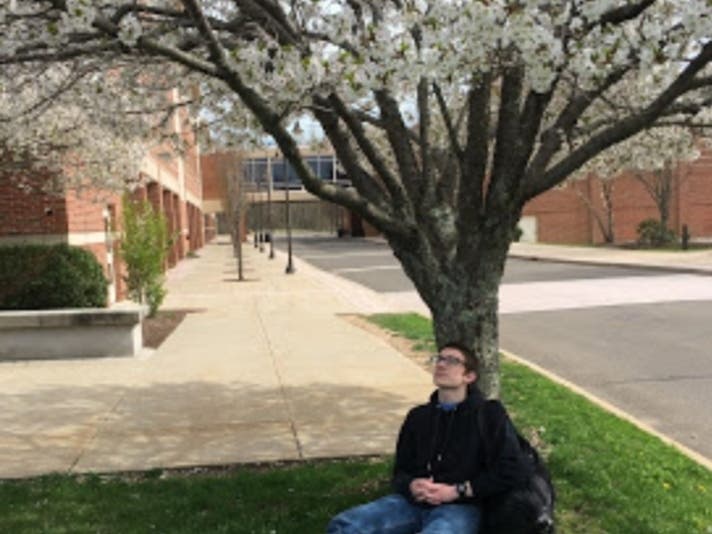

MADISON, CT — Two months have passed since 17-year-old Adam LeBlanc took his own life in his family’s Madison yard. Thanksgiving came and it went without Adam. Christmas is days away, and the LeBlancs will try to celebrate what’s supposed to be a joyous holiday — but without Adam, to say it will be difficult would be a vast understatement.
The 1st Christmas might be the hardest but none of them will be the same.
Posted by Gerald LeBlanc on Sunday, December 20, 2020
After his son’s suicide, Gerald LeBlanc spoke to Patch on a number of occasions, relating a tragedy that is a deeply personal and painful to discuss. "
But LeBlanc wants to talk, though he admits that while he wishes he had words of advice for other parents who have a child suffering with depression or other mental health issues that could lead to suicidal ideation — or worse, suicide — he doesn’t have the answers.
Find out what's happening in Madisonfor free with the latest updates from Patch.
“I don’t even know if I can help another parent,” LeBlanc said. But he noted that after Adam took his own life and counselors were available for families to process the death, perhaps that helped.
“A lot of parents probably talked to their kids,” he said. “I have to hope that may have helped.”
Find out what's happening in Madisonfor free with the latest updates from Patch.
But as for offering advice about signs to look for that one’s child is in trouble, LeBlanc is still at a loss — save for one very important and potentially life-saving suggestion:
“The biggest thing: Make sure your kids get counseling, even if you think your kids don't need it,” he said. “It’s still a good thing.”
And the way that Adam’s siblings are coping, LeBlanc said. Mom Stacie "talks about him, talks about it," and that's how she copes, LeBlanc said.
‘A normal happy kid, except he wasn't’

No one knew Adam was sad, LeBlanc said. When Patch spoke with LeBlanc in late October, just days after Adam died, he asked rhetorically, “How do you fix something you didn't know was broken?”
By all appearances, his father said, the Daniel Hand High School student was “a normal kid.”
Adam’s suicide shook and devastated his family and friends. LeBlanc said that his son’s closest friends are still struggling.
Such as Natasha McCarthy.
Natasha spoke to Patch in October when the shock of Adam's death was still palpable and her grief deep. And she's still struggling.
"His death affected many more people than he thought it would," she told Patch. "You can never say that no one would care. There are people that will miss you greatly. Even if you don’t know someone that well, you’d be leaving them to deal with your absence; you’ll never be in their math class again, never at the bus stop, the cashiers at stores you frequent will never see you again."
Natasha said that one person's suicide affects so many people.
"Aside from the people closest to you who will be hit the hardest, there will be a ripple effect that will reach every single person around you, even the people who just see you every so often, even the neighbors who you’ve never spoken to," she said.
"You are a part of so many people’s lives and, even if it doesn’t seem like it, so so so many people would be hurt by your decision."

And LeBlanc continues to struggle.
On a good day, he just keeps busy. He tries not to think about his son’s death. It’s too painful.
“To be honest, I’ve just been trying to keep busy. Maybe I’m trying to deny it in a way. But I’m still in the dark. I’ll never get it,” he said. “He loved hockey. He seemed to be happy. But he wasn’t happy, apparently. Often, when I’m driving by myself, it comes over, and I get sad. I cry. But I try not to think about it. But, of course, I do. I’m always thinking about him.”
Seeing the signs
It’s not a very Christmasy topic; there’s nothing cheerful about severe and debilitating depression — be it seasonal or chronic, leading in too many cases to suicide. But Christmas is the exact right time to talk about it, experts say. This holiday, staggering numbers of young people are suffering, especially since the pandemic hit, with sadness, loneliness, isolation, anxiety and fear.
The Centers for Disease Control and Prevention notes that since the pandemic began, there have been “elevated levels” of adverse mental health conditions and suicidal ideation, about three times the reports in the same time frame last year. In addition, “Twice as many respondents reported serious consideration of suicide” in June compared with the previous 12 months. And, the CDC says, these feelings are “disproportionately affecting specific populations” including teens and young adults.
In fact, the CDC now says suicide is the second leading cause of death for young people ages 15 to 19. It is also believed that “at least 25 attempts are made for every completed teen suicide.”
In its recently published study, "Suicidal Ideation and Behaviors Among High School Students," the CDC says 1 in 5 teenagers have seriously considered suicide.
In Connecticut, just in October, four teenagers died by suicide. The state Department of Children and Families issued an alert Oct. 30, so alarmed were social and mental health care workers and advocates. And the pandemic has made the situation far worse:
“Nothing is the same as it used to be," the alert reads. "COVID has changed and disrupted the lives of youth. They feel the weight and impact of the pandemic in ways we may not fully understand (and it may) seem hopeless, as there is no real end in sight."
The message could not be clearer. It’s strongly recommended by the DCF that access to “lethal means,” meaning weapons, alcohol and drugs be restricted when there’s a concern that a teen is possibly suicidal. And it’s urged that mental health workers, and police, for example, assess risk by using the Columbia Suicide Severity Rating Scale.
Thanksgiving day with Adam. Someone made his name with sticks. When we were there someone dropped off a letter for Adam. Always in your heart.
Posted by Gerald LeBlanc on Thursday, November 26, 2020
Parents, friends, siblings and other loved ones should check in to make sure things are OK if they see these signs:
- Change in eating and sleeping habits.
- Withdrawal from friends, family and regular activities.
- Violent actions, rebellious behavior, or running away drug and alcohol use.
- Unusual neglect of personal appearance.
- Marked personality change.
- Persistent boredom, difficulty concentrating, or a decline in the quality of schoolwork.
- Frequent complaints about physical symptoms, often related to emotions, such as stomachaches, headaches, fatigue, etc.
- Loss of interest in pleasurable activities.
- Not tolerating praise or rewards.
But the signs are not always so clear, LeBlanc said.
“It’s hard because, especially in our situation, we didn't know," he said, noting that there were no signs the family saw that set off alarm bells. "There was no indication. Everybody always says talk to your kids. But who would have thought it? He was never ... he was just a good kid. I don't know.”
Stopping the stigma
LeBlanc said many people have reached out to him and his wife, but he understands that most people, “just don't know what to say.”
He recalled that, recently, he was working with a road crew and was speaking with one of the workers who had offered condolences, and then they spoke about Adam’s suicide.
“I could feel how hard it was for him, and I was getting emotional talking about it. You don’t want to impose yourself. You feel bad for the person because they just don't know what to say. But I guess we should talk about it.”
The stigma around mental illness and suicide is “unfortunate,” he said.
He told a story about, while at his gun club, a fellow member commented that a person they both knew who had killed himself was “weak.”
“It’s not easy to do. We don’t know the situation. It’s not cut and dry. Who knows what’s really going on inside a person? We need to stop this stigma and just try to help.”
Reach out for help — it's there
In Madison, the town’s Youth & Family Services agency has begun a program called Mental Health Matters, and it has clinical staff available to help families and a dedicated counselor who works directly with families.
In Connecticut, Connecticut Children's health system is regarded as an excellent resource with myriad information, tips, suggestions and action plans to get help before it’s too late for help. Learn more here.
And nationally, Hope For The Day is a good place to start, especially to learn more about how to help young people: “It’s OK not to be OK.”
LeBlanc said that while he’s “Not much into public speaking, if I can be a help, if someone needs me to, I’ll do it.”
And with this story, he has.
Don’t wait. If you or someone you love is at risk of suicide, call the National Suicide Prevention Lifeline at 1-800-273-TALK or at suicidepreventionlifeline.org or text via the Crisis Text Line by texting TALK to 741741.
Get more local news delivered straight to your inbox. Sign up for free Patch newsletters and alerts.