Neighbor News
Invasive Plant Infestation hits the Shoreline!
Garlic Mustard is just one of a number of Invasive plant species spreading across the state. Here is what you can do to help.

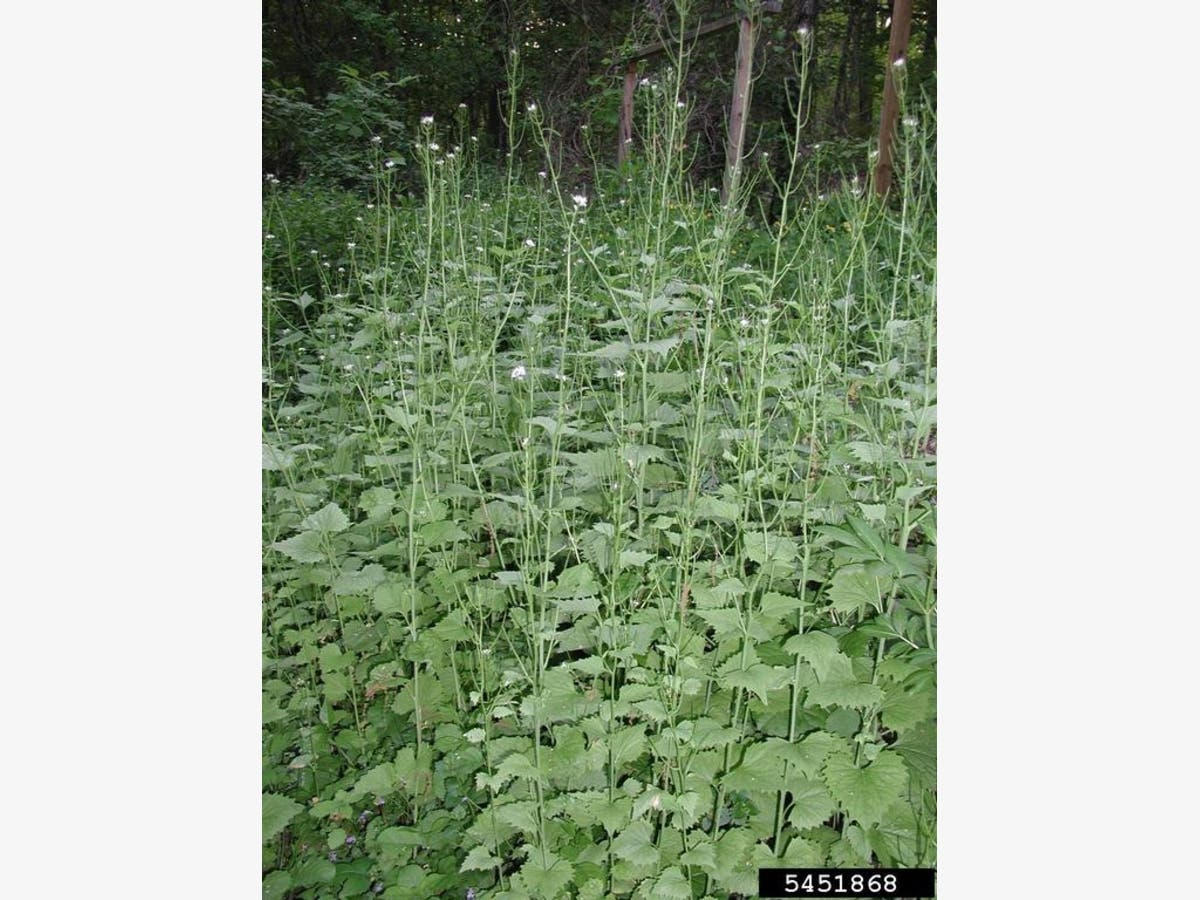
Most parts of CT including the shoreline communities of Madison, Guilford and Clinton, have been invaded by what appears to be a pretty white wildflower. In reality, Alliaria petiolata, commonly known as Garlic Mustard, produces a toxin that has an adverse effect on soil fungi which are critical for nutrient and water uptake in many trees and is especially essential to the health of hardwood trees. Remember - Hardwood trees in CT are already under severe stress from the past few summers’ gypsy moth defoliation and our late winter Nor’easters and late spring high wind storm.
Garlic Mustard is one of Connecticut’s most common invasive plant species. An Invasive species is defined by CT Department of Energy & Environmental Protection (DEEP) as being “alien to the ecosystem that they have been introduced into and whose introduction causes harm to the environment or human health”.
CT takes invasive plant species so seriously, that they have legislative General Statutes creating an Invasive Plants Council determining the best measures to control these growing threats to our environment. In fact, the list of environmentally threatening plants is huge with over 80 plant species on a continuously expanding list.
Find out what's happening in Madisonfor free with the latest updates from Patch.
Now back to the Garlic Mustard plant. Originally from Europe, the Garlic Mustard plant is now present in over 34 states with its largest population in New England. CT residents can do their part in protecting the environment by identifying and removing the pesky beast. Wearing gloves to avoid any nearby poison ivy – and after a day of rain, grab the plant as close to the ground as possible and pull it out – roots and all.
Now, don’t waste all that effort by throwing your freshly pulled weeds into the compost heap or leaving them on the ground. Immediately place them in a black trash bag for a day or two before disposing of them in the municipal trash for landfill or incineration. Composting will just allow any viable seeds to germinate.
Find out what's happening in Madisonfor free with the latest updates from Patch.
There - you have just done your good deed for the day and your local community!
We will cover other nasty plants in future alerts. Next on the list – the dreaded “Mile-A-Minute” vine.
Photo credits: Leslie J. Mehrhoff, UCONN, Bugwood.org