Neighbor News
Joanna Sponzo, Military + Sponzo Properites, on Children
Joanna Sponzo shares her professional opinion on working with children with special needs.
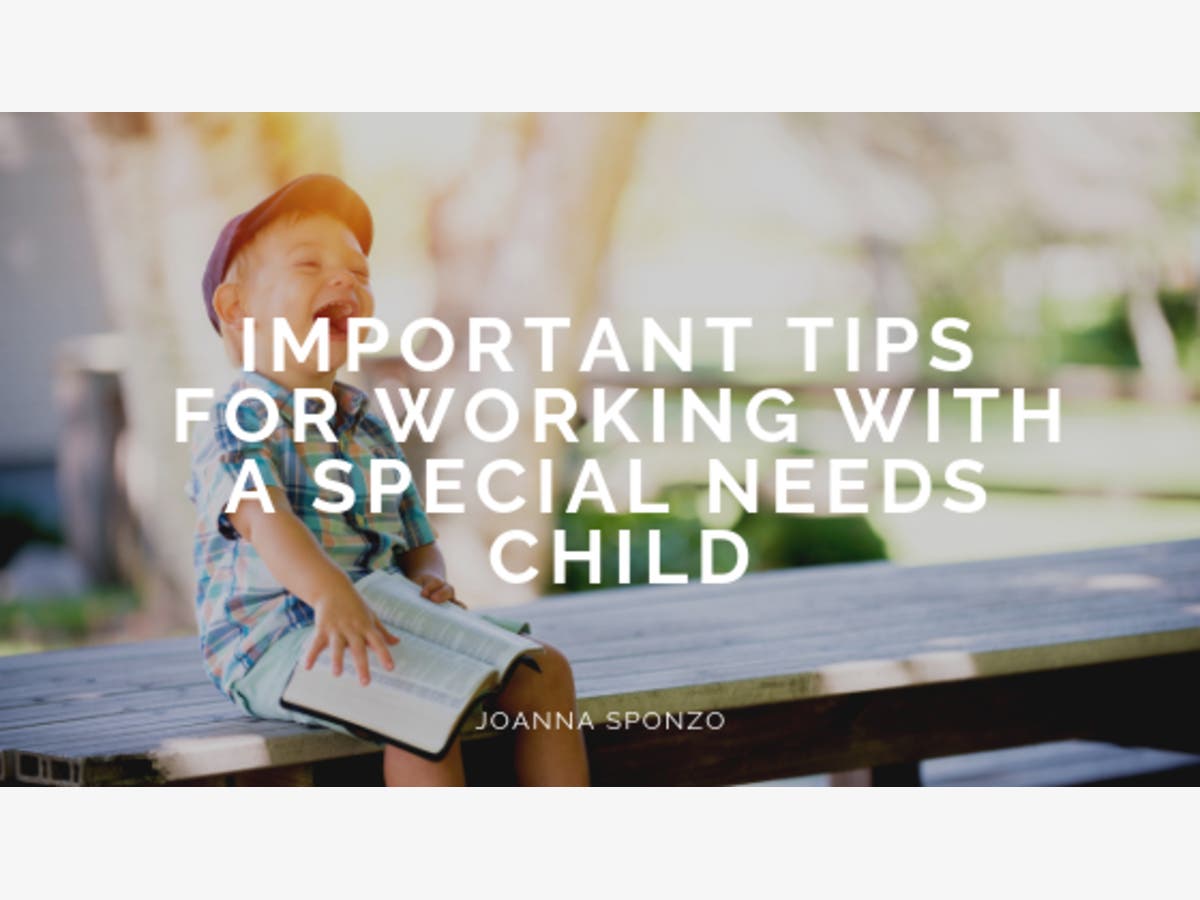
As the population of children with special needs continues to grow, and more children need accommodations, it is important to know how to work with children with these accommodations no matter what. It is no longer a limitation to have special needs and more and more parents are starting to sign their kids up for sports, music lessons, and other activities outside of required learning in order to give these children a quality of life they deserve. Many of these adults who spend time helping children with special needs are volunteers and have not been trained and have little to no knowledge of disabilities. Here are important tipis you should pass on to people that will be working with your child.
Interact
A mistake that is made very constantly is failing to interact with special needs children. It may take a while for the child to answer questions or give you a response that you need, but do not give up. Have polite conversations, that include introducing yourself and explain how you are connected to that child. Whether you are the coach or the teacher, letting the child know this is the first step to a successful relationship. Depending on what the need of the child is, it may be beneficial to take the children's hands or place your hand on their shoulder to make a proper introduction to them. Once you have made yourself known, explain the steps of each activity that you will be doing and make as much eye contact as possible.
Be Flexible
Some adults may be stuck in their instructive ways, but for special needs students, you need flexibility. Using a variety of methods will help them understand and master new skills. For example, if a child does not like to be without their parents, incorporating them into an activity for a few minutes and then phase the parent out. If the child does not have the motor skills for certain activities, help them get through the motions and assign someone to help the child practice before being implemented back in. Going slow and steady and being flexible will help them continue to be engaged in the activity.
Find out what's happening in Madisonfor free with the latest updates from Patch.
Be Consistent
If rules are presented to a group, apply them consistently to everyone. Let the child and their parent know about rules and regulations at the beginning of each class or activity and stick with them no matter what. If a child needs extra assistance, always allow them to receive it. Keeping these things consistent is important for children of special needs because they thrive off of routine.
Although it doesn’t need mentioning, you should always be positive and encouraging when dealing with a child that has special needs. Taking all of these tips into consideration allows more volunteers and programs to implement practices that not only cater to children without special needs but children with also.