Community Corner
When New England Tipped And Long Island Sound Was A Freshwater Lake; Hammonasset Archeology and Geology Talk Reveals Wealth of Information
Friends of Hammonasset Sponsor Lecture On Archeological, Geological History Of Park
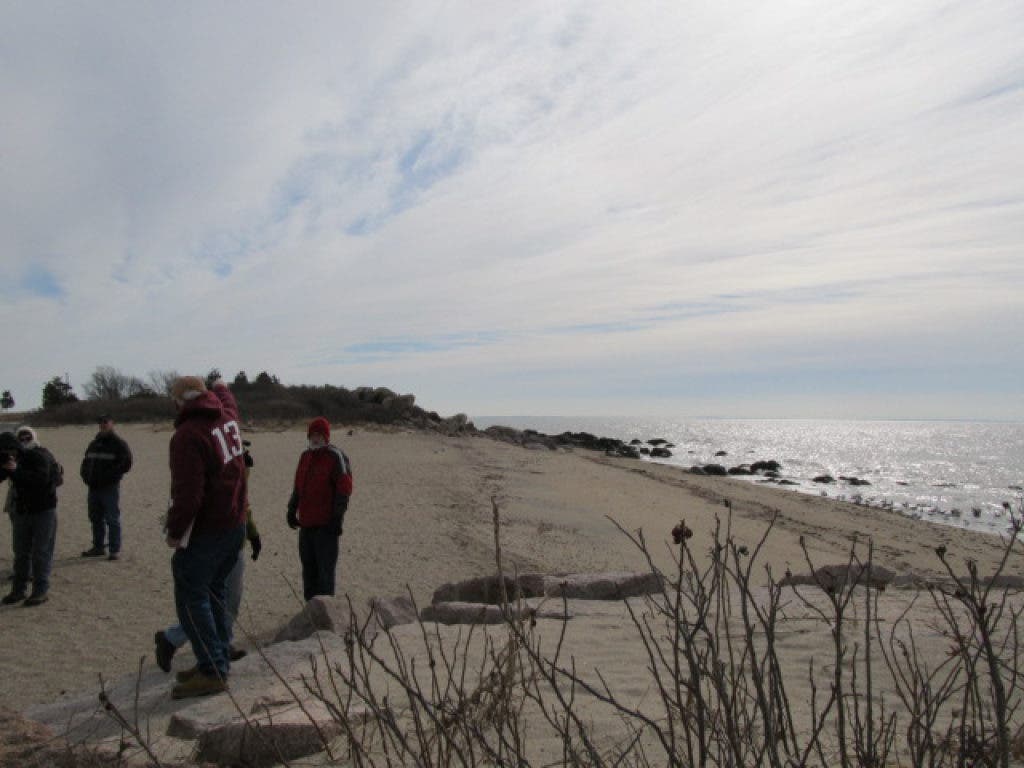


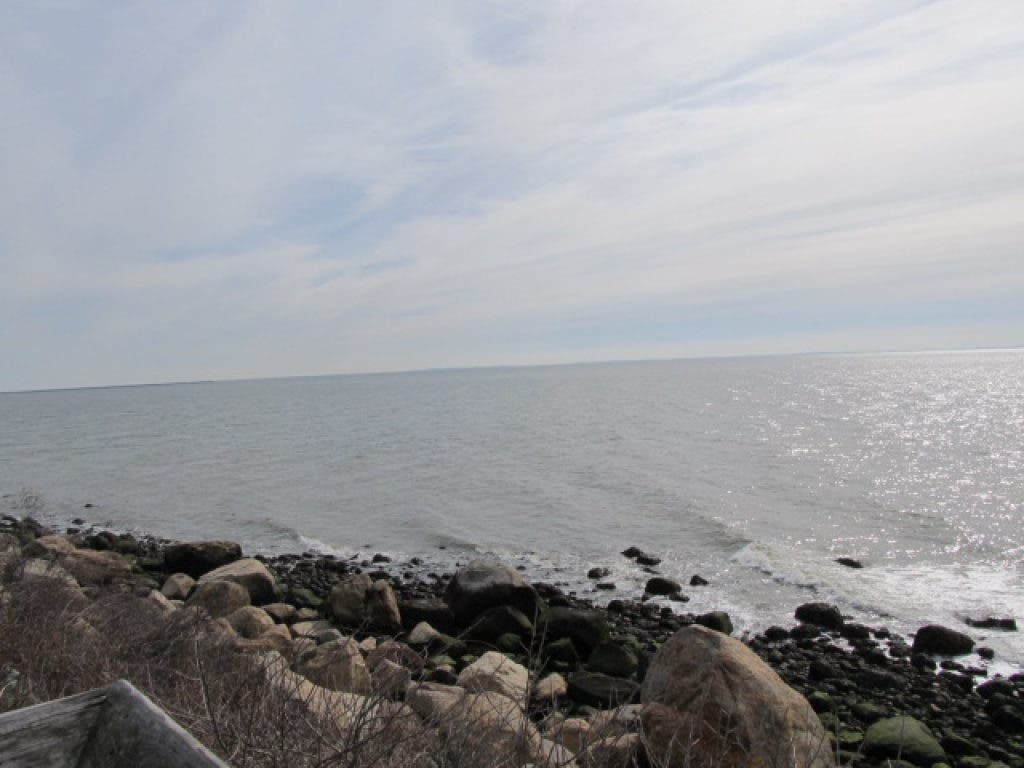


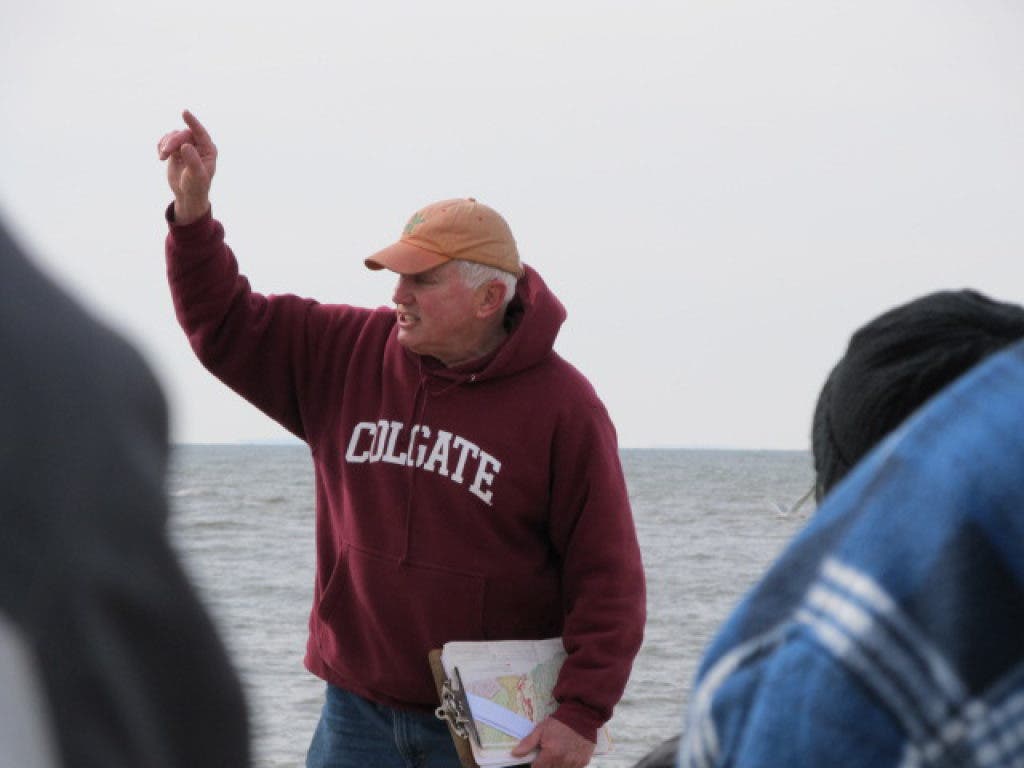


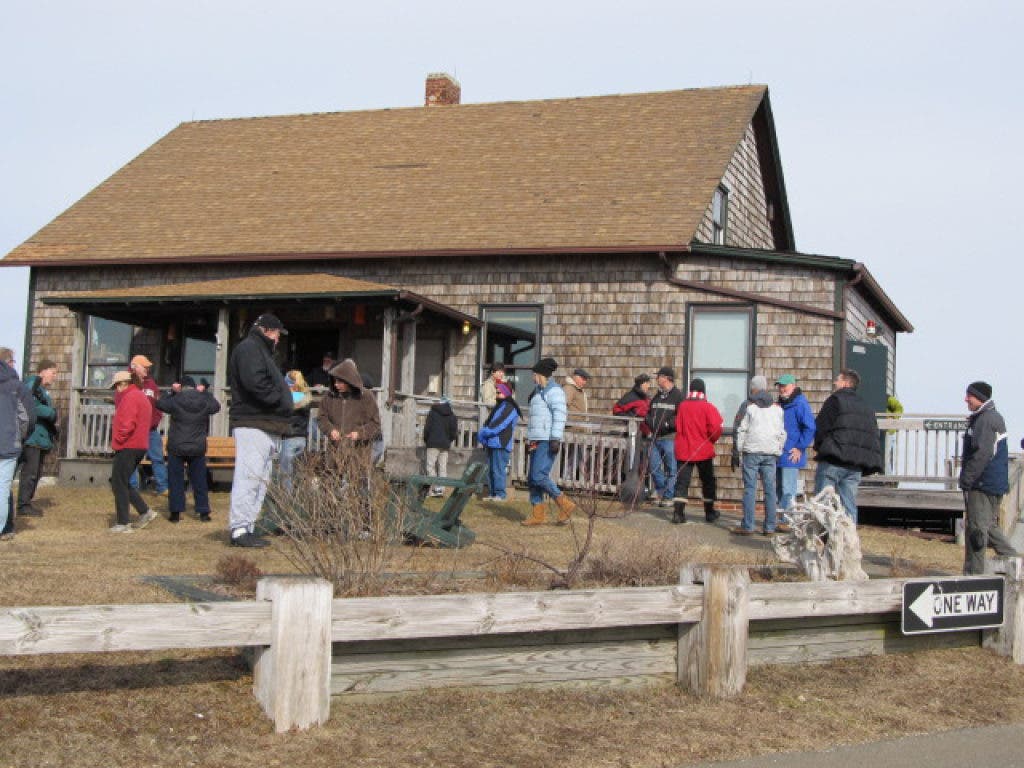


About seventy-five people from Madison and neighboring towns gathered recently outside the Meig's Point Nature Center within Hammonasset State Park to embark on a talk--and walk--highlighting the geological and archeological history of the area. Don Rankin (of the Friends of Hammonasset) and Nick Bellantoni (the state archeologist) led the lecture. Gary Nolf provided a special presentation on hunting tactics and Dale Carson offered attendees a warm cup of non-dairy corn chowder back at the Nature Center afterward.
The talk provided engaging and informative facts in both the geological and archeological realm. The walk moved from the Nature Center to a jetty on the beach, a viewing platform on the Point and finally along the Cedar Island trail to the Hammonasset Memorial Boulder.
Geology Facts
Find out what's happening in Madisonfor free with the latest updates from Patch.
1. 15,000 years ago, Long Island Sound was a fresh water lake (like Lake Champlain bordering Vermont and New York) after the glacial recession.
2. The salt marshes developed within the last 4,000 years as a result of silt from the river systems being pushed back by the tidal effect.
Find out what's happening in Madisonfor free with the latest updates from Patch.
3. Salt marshes at Hammonasset State Park are home to 350 different kinds of birds. The marshes also "mitigate against storm surges," Rankin explained.
4. The recessional moraine at Meig's Point extends to Ledyard, CT and the boulders present at the Point are from the Hartford area. Hammonasset is home to another moraine along the Cedar Island Trail.
5. New England tipped when the glaciers receded.
Archeology Facts
1. Ever wonder who Joshua (of Joshua Rock) was? He was the son of Uncas (the British settlers called him Joshua (though his real name was Attawanhood). Uncas sold the land of the Hammonassets to Fenwick and Whitfield after the Pequot War.
2. According to Bellantoni, the "canoes" built by the Native peoples of the Hammonasset area could fit between twenty and forty people, and were constructed via burning and scraping out a tree until a boat was made.
3. There are only two Native American boulder monuments in the state of CT--one of them is the Hammonasset monument located near the Cedar Island trail within the park.
The Friends of Hammonasset on Facebook lists upcoming events, open to the community.