Crime & Safety
UConn Professors Accused of Federal Grant Conflicts Reach Settlement
The settlement is with the government.


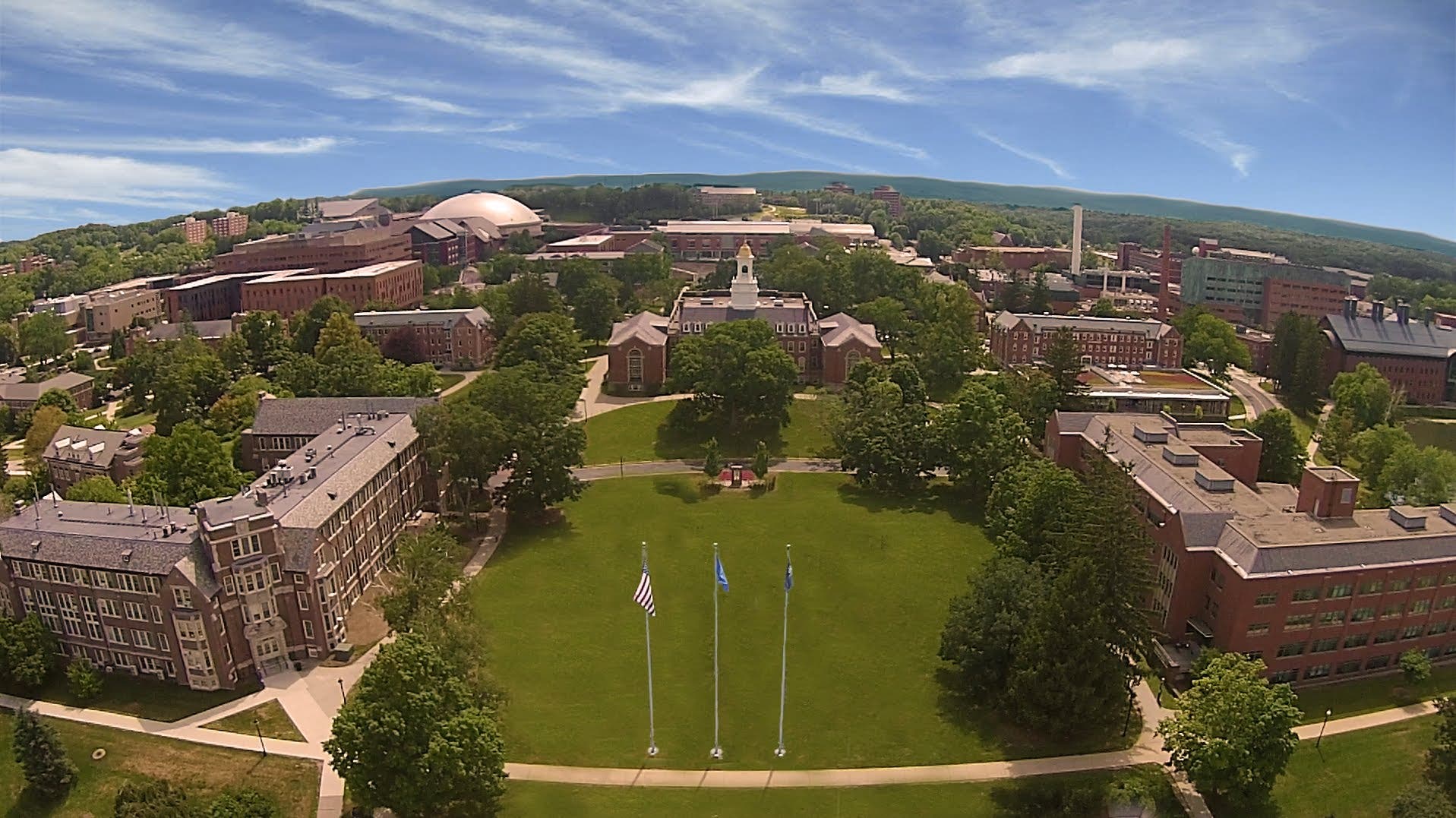
STORRS, CT - Professors accused of conflicts of interest for not disclosing that they were principals in a company benefiting from University of Connecticut-administered National Science Foundation grants have settled with the federal government.
United States Attorney for the District of Connecticut Dierdra Daly and Allison Lerner, the inspector general of the National Science Foundation today announced the $400,000 settlement on Thursday.
The company in question is at Aquatic Sensor Network Technology LLC and Jun-Hong Cui, Yong Ma, Shengli Zhou, Zhijie Shi and Juanjuan Liao entered into "a civil settlement agreement with the government in which the company and the named officials will pay $400,000 to resolve allegations that they violated the federal False Claims Act and the common law in the management of federally-funded grants awarded to Aquasent by the NSF, Daly said.
Find out what's happening in Mansfield-Storrsfor free with the latest updates from Patch.
Storrs-based Aquasent was formed in October 2007 with a focus on the development of underwater wireless communications and networking solutions.
The funds were awarded to the company to promote cutting-edge technology, through UConn, via the NSF Small Business Innovation Research Program, Daly said.
Find out what's happening in Mansfield-Storrsfor free with the latest updates from Patch.
The grants are awarded in successive phases with the funding predicated on compliance with certain requirements that must be met in order to participate and to receive funds from the NSF.
The requirements include certifications as to the primary employment of the grantees.
Daly cited several accounting and disclosure violations.
She said, since 2008, Aquasen has received approximately $924,618 in federally-funded grants from the NSF.
“In order to ensure that federal research funds are managed wisely and efficiently, all recipients of federal grants must strictly adhere to the regulations applicable to those grants," Daly said.
Lerner added, "Failure to do so can result in significant consequences. Fraudulent schemes involving companies and individuals who repeatedly make false statements to the government in order to obtain scarce federal SBIR program research dollars will not be tolerated."
NSF grants were suspended in December 2014 during the investigation.
According to the audit that discovered the alleged conflicts, the faculty members signed a form that included a disclaimer that they "have no financial or other beneficial interest in the vendor."
According to a UConn report, the faculty members told the auditors that they did not read the portion of the form they signed that indicated they had no financial conflict.
They also blamed time constraints on other disclosure mistakes.
The equipment cited is acoustic modems purchased between April and August of 2013 at a cost of cost $253,500, the auditors reported.
At the time, UConn spokeswoman Stephanie Reitz said the university would have blocked the modem purchases if the UConn employees "had disclosed their conflicts of interest as principals in the company from which the items were purchased."
She said then that UConn had cut off the professors from obtaining new grants and removed them from other grants, and beefed-up internal control procedures.
UConn officials released the following statement Thursday Afternoon:
"The National Science Foundation’s Office of Inspector General has announced a civil settlement concluding an investigation of Aquasent, a private company. Three UConn faculty members are principals of that company.
"The civil settlement agreement involves their activities in the private company, not as UConn employees. UConn is not and has never been the target of the NSF investigation, and the University cooperated fully in the investigation.
"The NSF suspended its grant to AquaSeNT in December 2014. The NSF also suspended and then terminated other grants that the individuals had received in their capacity as UConn faculty.
"In April 2015, the NSF made the three individuals ineligible for any federal funding. Those actions do not affect UConn’s other grants from the NSF or from other agencies.
"Soon after the April NSF decision, UConn placed the three individuals on administrative leave, restructured other grants to remove them, and prevented them from obtaining new grants.
"UConn has not yet seen the settlement agreement announced today by the U.S. Attorney’s Office and the NSF. The University will assess the employment status of these individuals once it has the opportunity to obtain and review the settlement agreement and any other information available from the NSF."
Get more local news delivered straight to your inbox. Sign up for free Patch newsletters and alerts.