Sports
The Curious Case of Lance Armstrong
The question likely to remain for Armstrong's legacy is whether or not it matters that all of his good works are built on a myth.

Years ago, Charles Barkley glared out of our television screens and declared he was not a role model. Barkley's desire to have the fame and adulation that come with being a well-paid athlete, while dismissing any of the responsibilities, has been mistaken for wisdom.
Role model is not a position of choice but one of obligation.
Parents are role models the minute they become parents. Coaches are role models the minute they pick up a whistle. Athletes, for better or worse, are role models because children want to be like them. (No, Sir Charles, you don’t have a choice.)
Find out what's happening in Mansfield-Storrsfor free with the latest updates from Patch.
This leads us into the latest conundrum for the sports fan and parent. What to think about Lance Armstrong?
A dispassionate look at the “60 Minutes” story on Armstrong’s alleged use of EPO – a banned substance – finds few flaws in the story. Some will never be persuaded of Armstrong’s guilt but the men testifying before the grand jury have every incentive to tell the truth and, according to CBS News, they are telling the same story.
Find out what's happening in Mansfield-Storrsfor free with the latest updates from Patch.
This is not Floyd Landis, who has no credibility at all. These are men being called to testify under penalty of perjury. Unless you think CBS has somehow reported the sealed testimony inaccurately, one is led to the conclusion that the Armstrong miracle was actually a victory, of sorts, for science.
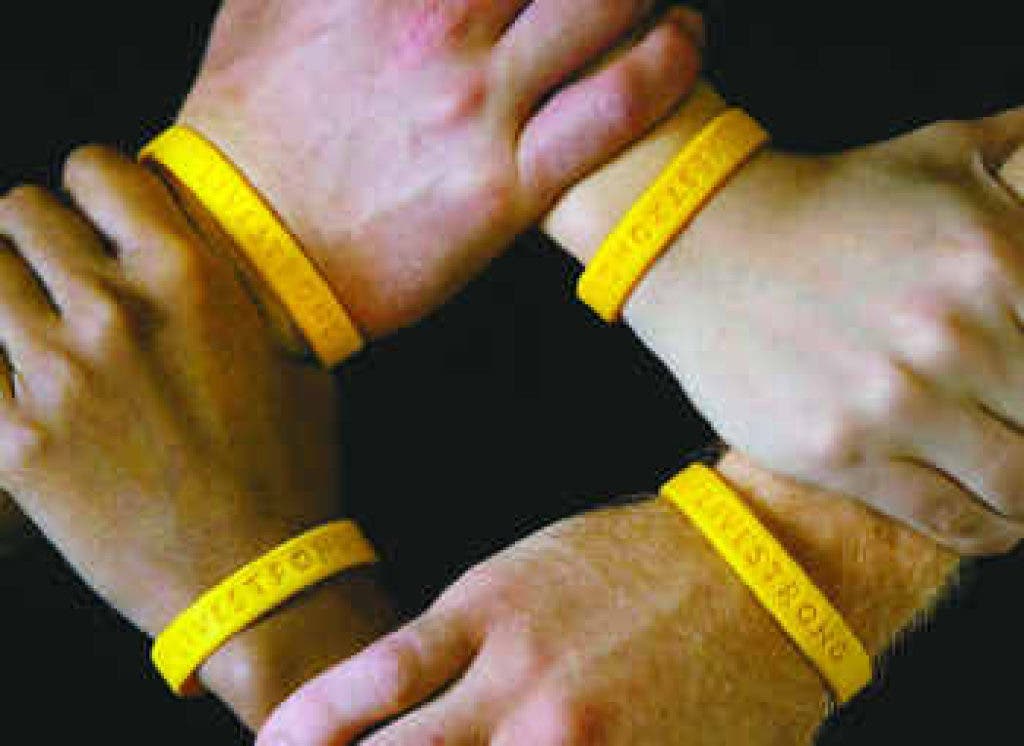
However, Armstrong is also the living, breathing embodiment of hope for those stricken with cancer. He has raised millions and those yellow bracelets you see everywhere are testimony to his profound impact on American life. Few athletes can hope to achieve a legacy this meaningful.
The question likely to remain is whether or not it matters that all of his good works are built on a myth?
So far, the sports media has largely given Armstrong a pass simply because they like him. This is the way the sports media works. Barry Bonds has a charity, too, but ESPN's Rick Reilly has noted with glee that he now gets to refer to Bonds as a convicted felon. Reilly, of course, has long been an Armstrong groupie and can be found running his public relations campaign on the ESPN website.
Those without such a publicity machine are judged more harshly.
Most of the national media left little doubt where they stood on Jim Calhoun as the Huskies marched to their third national championship while simultaneously getting sanctioned by the NCAA for recruiting violations.
Calhoun has raised millions to fight heart disease, the top killer in America, and millions more for cancer research. He has done countless other private acts of charity that he has actively kept from being published, but Calhoun has also been known to blast away at reporters. Thus you don't read about charity all that often when folks are discussing his legacy.
For basketball writers, it seems, it’s more important to know whether Calhoun authorized his coaches to buy Nate Miles lunch than it is to know about research breakthroughs have that have come from the money he has raised.
This is not the case with Armstrong. His comeback from cancer and subsequent domination of the Tour de France made him into an American folktale every bit as potent as Paul Bunyan. He has been, for most of this century, a monument on wheels, preaching determination and grit and hope. The fact that his domination of the Tour was built on his mastery of the grueling uphill climbs through the Alps made the legend fit neat and square. He was simply more determined than everyone else.
So does it matter that it seems likely his dominance was also made possible by EPO?
It doesn’t matter if you have cancer and your treatment is more effective because of money Armstrong helped raise. It doesn’t matter if you drew inspiration from him and this helped you through your own ordeal of suffering. And it doesn’t matter to the millions of Americans in treatment who are inspired to believe they will lead a normal life again one day.
But it should matter when you talk to your kids.
The lesson can’t be cheating is all right as long everyone else is doing it.
The lesson can’t be cheating is all right as long as you do good works to make up for it.
The lesson has to be cheating is wrong. Always.
Even when our role models do it.