Every ten years the state is required to reassess all district boundaries based on the most recent census. As population grows, shrinks and shifts over time, it is important that boundaries are adjusted accordingly.
In Connecticut, the process begins with the five congressional districts, then the 36 State Senate districts and 156 State Representative districts. After these districts are determined, the local districts and polling precincts can be amended.
Find out what's happening in Meridenfor free with the latest updates from Patch.
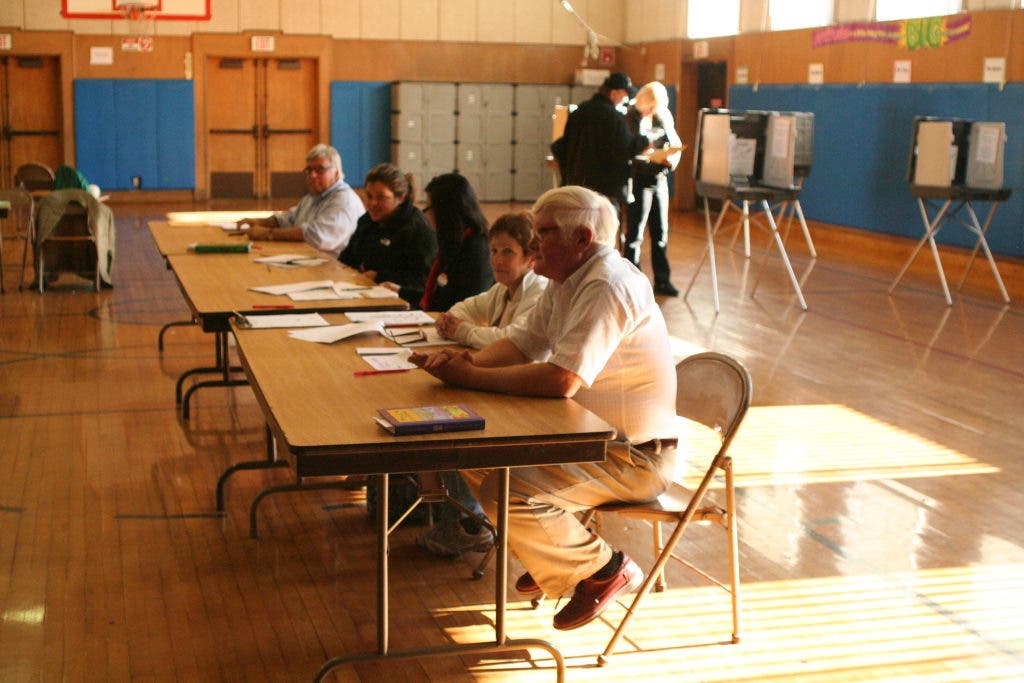
Meriden currently has 17 polling precincts – one of the highest ratios per population and land area in the state. Manning these stations is costly, requiring 8-10 workers paid for 14 hours and accruing secondary costs for storing, maintaining and transporting equipment. Moreover, all poll stations are required to be open regardless if a minor, primary or regular election.
Several precincts are especially close together, including Lincoln Middle School / Platt High School, Sherman Firehouse / Washington Middle School, St. Rose Church / Community Towers and St. John Lutheran Church / Thomas Hooker Elementary School. What’s more, I have toured all the polling stations on many Election Days and have never seen a waiting line.
Find out what's happening in Meridenfor free with the latest updates from Patch.
What strikes me as odd is that although I’ve spoken to several local leaders and city workers, no one seems to understand why or how the current precincts were selected. Some people assume it originated in a bygone era when voters walked to polling stations, while others speculate that it was implemented when there were 20 Meriden City Councilors (lowered to 12 in the 1980s). Either way, the high number of precincts is outdated and needs to be brought in line with present-day requirements.
I propose that we reduce the number of precincts based on their proximity to others and voter turnout in order to cut avoidable costs.
There are many examples of cities of similar population, size and demographics that have (and consequently only pay for) only ten precincts. For example:
City
Population
Square miles
Precincts
Bristol
61,000
26
10
Manchester
58,000
27
10
East Hartford
51,000
18
7
Meriden
60,000
24
17
We only have an opportunity to make this change once every ten years, so let’s get something done. We should not continue to waste money on an outdated and unnecessary system.