Neighbor News
Mayor Giannattasio Criticized for Shellfish Contamination Silence
Milford residents feel left in the dark about months-long shellfish contamination and water quality controversy
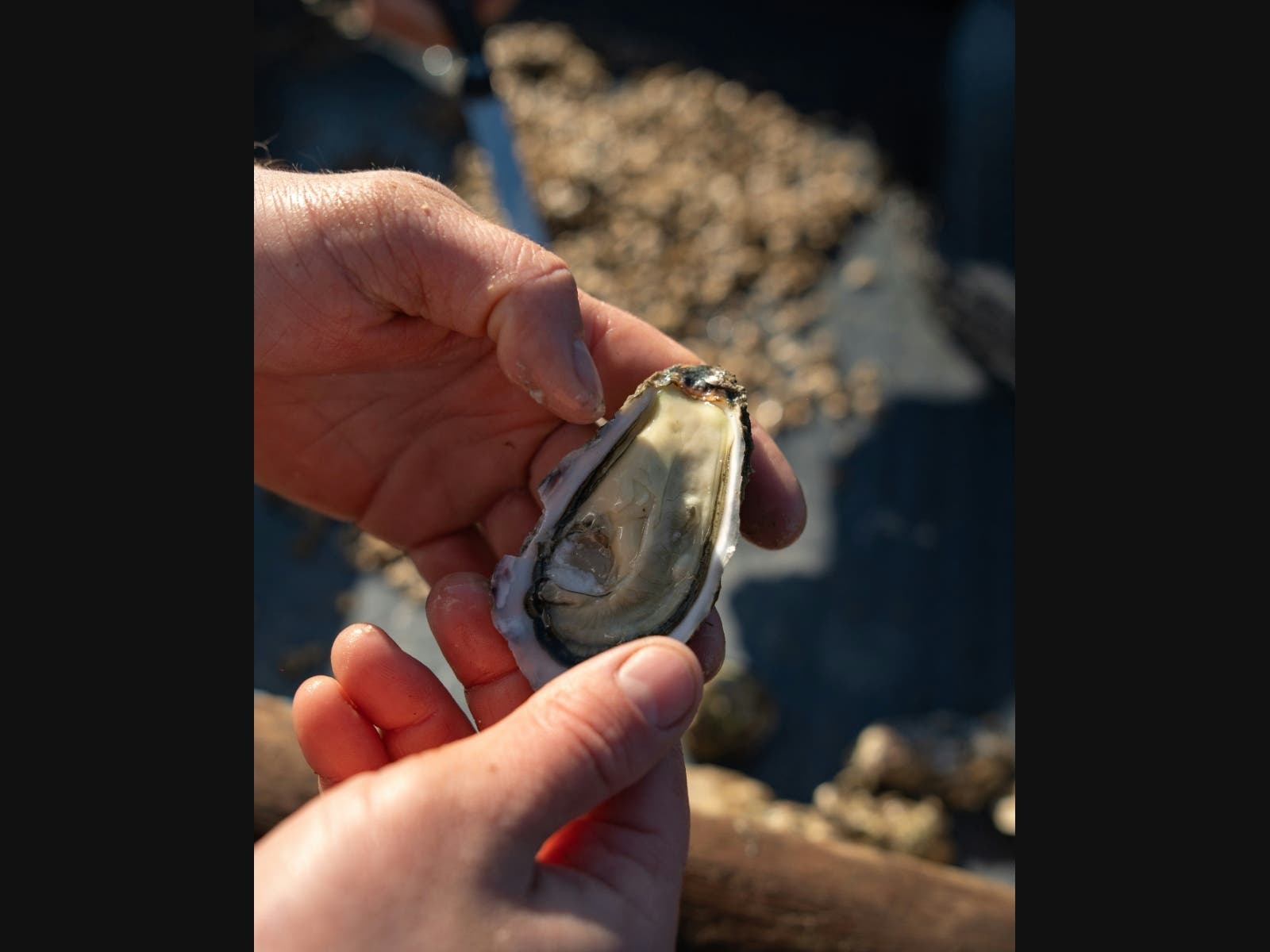
In what many local residents are calling a troubling lack of transparency, Milford Mayor Tony Giannattasio's administration has come under fire for failing to communicate with the public about an ongoing shellfish contamination issue that has closed several Long Island Sound shellfish beds since November of last year.
Despite an extensive, months-long investigation costing taxpayers approximately $100,000 in manpower and contractor services, Mayor Giannattasio has made no public statement addressing the environmental crisis that has significantly impacted local oyster farming operations and raised concerns about water quality along Milford's coastline.
"I've seen Public Works employees coming and going, and I've heard a bit about this in the newspapers, but I've seen nothing from Mayor Giannattasio," said one local resident. "I know he's on Facebook all the time, but it's all ribbon cutting and glad-handing - no useful information. People deserve to know what's going on."
Find out what's happening in Milfordfor free with the latest updates from Patch.
The contamination, first detected in November by the state Department of Agriculture's testing off Milford's coast, forced the closure of shellfish beds covering the area between the mouth of the Housatonic River and Charles Island. While officials from multiple agencies have been working to identify the source of the high bacteria levels, the mayor's social media accounts have remained conspicuously silent on the issue.
Milford's sewer system has been flushed and dye tested in the Wildemere Beach area along Broadway and Seaview Avenue without any significant leaks, and the contamination has not been traced to the nearest wastewater treatment plant. Officials believe animal waste may be the culprit. Public Works Department Director Christopher Saley told the CT Examiner, "It's definitely sewage in there, but it could also be animal feces, it could be dog feces, it could be human feces, it could be a combination of all of them."
Find out what's happening in Milfordfor free with the latest updates from Patch.
Throughout this entire process, Mayor Giannattasio's lack of public communication about this significant environmental and economic issue has raised questions about the administration's priorities.
Connecticut Department of Energy and Environmental Protection spokesman James Fowler told CT Insider that "it's important for residents to know that they shouldn’t throw dog poop bags into storm sewers, and that sewage lines should not be tied to storm sewers." But no such advisories or reminders have been posted to the mayor's social media accounts even as residents seek clarity about the safety of local waters and the future of Milford's shellfish industry.
As the investigation continues, Rebecca Eddy, a spokesperson for the state Department of Agriculture's Bureau of Aquaculture, told CT Insider additional testing would be conducted and those results would determine next steps.
Meanwhile, the shellfish farmers who rely on the beds off Milford must continue waiting for the source of the contamination to be found and addressed.