Business & Tech
Most Are Doing Well and Happy to be in Monroe
Economic Development Commission report takes inventory of Monroe's business community.


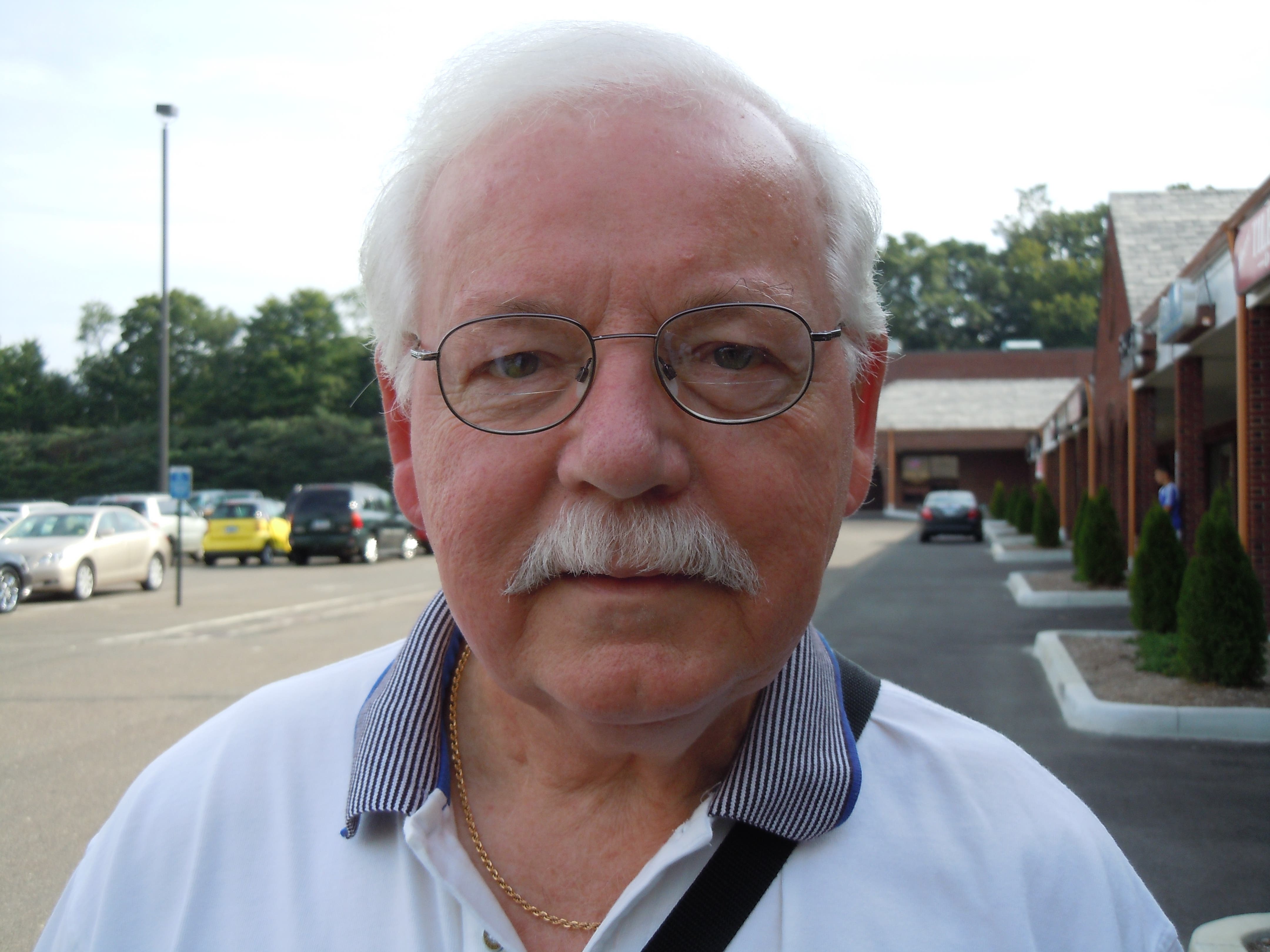
An Economic Development Commission report assessing the state of Monroe's business community revealed the good, the bad and the ugly, though most of it was positive.
"Everyone has a different opinion," EDC Chairman Lee Hossler said of the study results. "It may be the way you like it. It may not be the way you like it. But that's the way it is."
On the bright side, the report revealed a greater diversity of businesses and that more than half of owners said they are doing well and are happy to be in Monroe.
Find out what's happening in Monroefor free with the latest updates from Patch.
However, surveys and interviews also found many are unhappy with high commercial assessments and regulations on signage; 77 buildings are in need of improvement, and that there are 46 empty commercial spots.
Hossler, dressed in a blue tie and dress shirt, gave a presentation before the Town Council meeting in the Council Chambers of Town Hall Monday night.
Find out what's happening in Monroefor free with the latest updates from Patch.
He worked on the report with fellow EDC member Steve Schapiro and former Town Economic Development Director Vincent Mangiacopra since April.
"We're in a hurting economy here and the most important thing we could do is bring development here," First Selectman Steve Vavrek said before the presentation. "When I was elected, I noticed we need a better mix of businesses here."
Monroe has no shortage of pizza parlors and nail salons, but Vavrek said, "I think you'll be surprised by what type of businesses we have here."
Monroe's top 20
Hossler's overhead presentation included a list of the top 20 types of businesses in Monroe.
Restaurants were number one with 21 establishments, followed by manufacturers and salons (specializing in hair, nails and/or massage) — both with 17.
"The biggest surprise to me was manufacturers," Hossler said. "I knew we had a lot of restaurants in town."
Banks are fourth with 11, followed by pizza parlors (10) and coffee shops, fast food places, cleaners and insurance all with nine locations. Hair cutters were 10th with eight establishments.
Eleven through 20 features six businesses tied at seven: printers, garages, gas stations, liquor stores, delis and auto repair shops. Then there are six convenience stores and five garden centers, pharmacies and financial firms.
Issues, concerns
Hossler, Schapiro and Mangiacopra visited businesses to talk to owners and managers face-to-face and made cold calls to get a sense of the atmosphere of the business community.
The number one issue merchants complained about was signage, according to Hossler.
The town regulates the sizes signs can be, as well as how close they can be to the road. Vavrek said this is for traffic safety, because some signs could obstruct drivers' views or distract them.
But Hossler said a number of businesses viewed letters asking for compliance and visits from the town's zoning enforcement officer as "threats."
The second most common concern was taxes. "Businesses got hit harder with assessments this time around," Hossler explained.
Schapiro said landlords have passed along the extra cost to their tenants.
The lack of public sewers came in third.
"I thought this would be higher," Hossler said. "It's one reason we can't bring in more types of businesses."
The poor condition of the town's roads came in fourth.
Others wanted incentives for owners to beautify their buildings.
"Traffic was a problem," Hossler said. "Either it was, 'There's too much traffic to get around' or 'There's not enough traffic coming in my store.'"
During the site visits, many merchants said it was the first time anyone from the town came out to see them, according to Schapiro.
"I got the impression they feel they're not supported by Town Hall and the town government like we could," he said. "But most were doing well and happy to be in Monroe."
Search for solutions
After the presentation, Town Councilman Chris Catropa said, "We need to reduce our regulations and our taxes. Why don't we do what really matters to them?"
The first selectman emphasized the safety reasons for the regulations on signs. Vavrek added that communication between town officials and developers dealing with Monroe's land use departments has significantly improved.
Schapiro said he does not believe most business owners oppose the regulations, but that they get angry when "the guy across the street" seems to get away with breaking them. He added they also want more direction from town officials on what the rules are.
Hossler said the EDC's newsletter will include an article on signage.
Patrice Sulik, director of the Trumbull Monroe Health District, noted that regulations for food are the most strict. In fact, she said restaurants, bakeries and delis are the highest regulated businesses because there are more health risks.
"Those of you who are rolling your eyes would be the first ones on the phone if their child or grandmother got sick at a restaurant," Sulik said. "I've seen good conditions in Monroe and deplorable conditions."
The health director was able to work with some businesses, but has had to close down others.
"One had an ill employee and there could have been a food borne illness outbreak," Sulik said of one incident.
Sulik offered to provide literature to the EDC to offer businesses guidance on following health regulations.
Town Council Chairwoman Enid Lipeles addressed the tax question.
"We can't lower the businesses' taxes and raise residents' taxes," she said.
Catropa said he just wanted town officials' focus to be "what actionable items can we take to address these concerns and not fluff over the meat of the issue."
Vavrek hailed the EDC report as a long overdue and a necessary first step in attracting new businesses.
Monroe Chamber of Commerce President Teri Rotella agreed.
When recruiting a business, Rotella said town officials can now call the parent company and tell them what properties are available, the square-footage and what types of businesses are nearby.
"I'm very pleased that they finished it, because it's going to help the chamber to work with the Economic Development Commission to bring in businesses that are complementary to the ones that are already here," she said. "By knowing what's available, we can do that."
Get more local news delivered straight to your inbox. Sign up for free Patch newsletters and alerts.