Health & Fitness
It’s Time to Go 75 MPH in Connecticut
The speed limit should be raised on Connecticut highways to 75 MPH to make the limit more realistic, decrease accidents, and decrease fatalities.

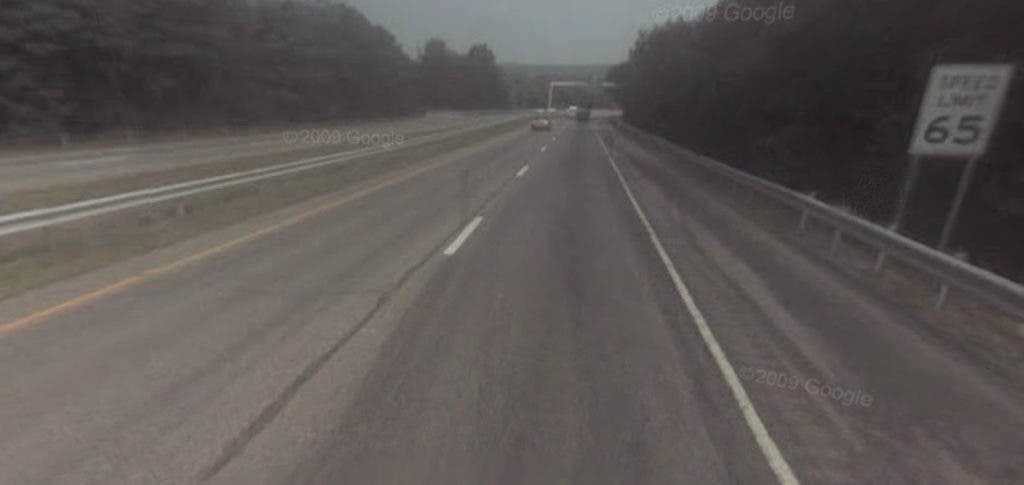
Connecticut needs to pick up the pace when it comes to the legal speed limit on its highways.
Hartford State Representative Minnie Gonzalez advocates an increase of the highway speed limit from 65 MPH to 75 MPH and raising speeding violation fines from $150 to $200.
Connecticut lawmakers are considering Gonzalez's proposal after 15 states raised their speed limits to 75 mph. The last time Connecticut raised its limit was 15 years ago when the speed limit was increased from 55 mph to 65 mph.
It was a positive move as one study showed that fatality rates fell 3.4 to 5.1 percent when the speed was increased and another study showed that accidents decreased by 6.7%.
Find out what's happening in Montvillefor free with the latest updates from Patch.
Gonzalez calls the current limit a "joke" and that it isn't being followed and I'd have to agree. I have driven on Interstates 395 and 95 and it's quite obvious that most drivers are traveling between 70 and 80 MPH on a regular basis in a 65 MPH zone.
The National Motorists Association believes the speed limit should be set at or under a level 85 percent of people are driving.
Find out what's happening in Montvillefor free with the latest updates from Patch.
According to a Federal Highway Administration (FHWA) report, the majority of speed limits are "posted below the average speed of traffic" and that "based on the sites examined in 22 States, it is apparent that the majority of highway agencies set speed limits below the average speed of traffic as opposed to setting limits in the upper region of the minimum accident risk band or about 85th percentile speed. This practice means that more than one-half of the motorists are in technical violation of the speed limits laws."
While rumor has it that police are more likely to ticket drivers who are traveling 10 MPH above the posted speed limit or higher, it's still likely that drivers receiving tickets are really going close to the average speed of traffic rather than driving dangerously over the speed limit.
In fact, state and federal studies show that drivers most likely to get into an accident are those who are driving significantly below the average speed. For example, those driving 60 MPH are more likely to get into an accident than someone traveling 80 MPH, if the average speed of traffic is 70 MPH.
An unrealistic speed limit creates dangerous differences in speed, a brochure published in conjunction with the Michigan State Patrol states, since it results in two groups of drivers: those who obey the limit and those who drive at a speed they feel is reasonable.
In fact the National Motorists Association states "if a speed limit is raised to actually reflect real travel speeds, the new higher limit will make the roads safer. When the majority of traffic is traveling at the same speed, traffic flow improves, and there are fewer accidents."
Even after the New York Thruway speed limit was increased from 55 to 65 mph, the average speed of traffic, 68 mph, remained the same.
The FHWA additionally concluded that raising or lowering the speed limit had almost no effect on travel speeds.