Schools
WCSU Tick Lab Seeks Properties for Tick Study
At present, the researchers are seeking to study properties primarily in Fairfield County


Press release
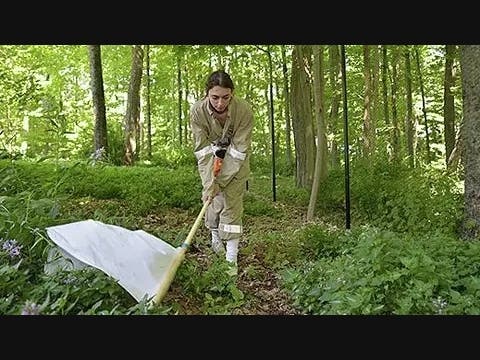
DANBURY, Connecticut — Researchers at the Western Connecticut State University Tickborne Disease Prevention Laboratory need the public’s help for Project ITCH (Is Tick Control Helping?), a residential research study entering its second year. WCSU’s tick experts are studying natural tick control products and are seeking Connecticut homeowners who are willing to participate. Interested residents are asked to complete a short eligibility survey here.
The university is a research partner in the federally designated New England Center of Excellence in Vector-Borne Diseases, whose goals include finding the best ways residents can protect themselves, their families and pets from tick-borne diseases. Project ITCH activities conducted at WCSU have been focused on natural consumer products containing cedarwood oil for residential tick control.
Find out what's happening in Naugatuckfor free with the latest updates from Patch.
“Natural tick control products are becoming increasingly popular among homeowners in our region,” explained Dr. Neeta Connally, professor and director of the WCSU Tickborne Disease Prevention Lab. “But many of these products, including those containing cedar oil, have not been well studied.” That is why Sophia Chiaia, a graduate student in WCSU’s Integrative Biological Diversity program, is focusing on natural tick control for her thesis project. “We hope that this research can help improve recommendations for managing backyard ticks and reducing Lyme disease risk.”
The short online survey is to assess participants’ eligibility. It includes questions regarding their property and willingness to receive a free treatment of a commercially available cedarwood oil product. Researchers also are seeking untreated properties for this study. Properties selected for the study will be visited by researchers this spring and summer to measure tick abundance. To complete the less than 10-minute survey, click here or visit www.wcsuticklab.com/survey.