Politics & Government
Connecticut’s Budget Woes Could Get Worse
Another wrench in the budget plan appeared to be cropping up Monday.


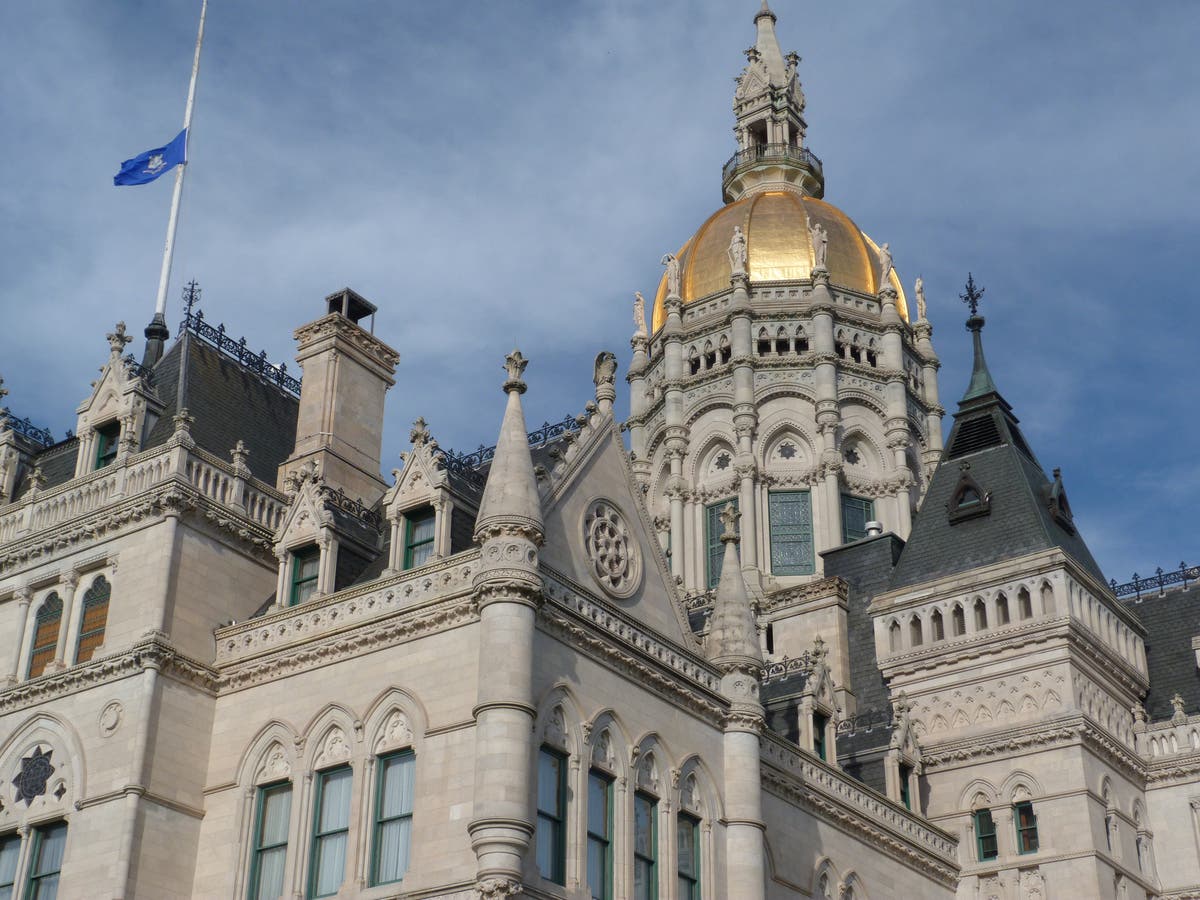
HARTFORD, CT — It seems like a daily occurrence that Connecticut’s budget woes are getting more complicated and Monday was no exception. A new report on Connecticut income tax receipts has a bleak analysis that could push next year’s state budget deficit to $2 billion.
If current collecting trends continue Connecticut will take in $267 million less than anticipated in the current fiscal year, according to the Connecticut Mirror.
Find out what's happening in New Canaanfor free with the latest updates from Patch.
Analysts still have six more days to complete the review of income tax receipts. A more definitive number will become apparent by Friday once the envelopes are opened, according to the Hartford Courant. Officials said they don’t want to jump the gun until later in the week.
Oftentimes many of the state’s highest income earners file taxes at the last minute and their large checks can make a big difference in state coffers.(To sign up for free, local breaking news alerts from more than 100 Connecticut communities click here.)
Find out what's happening in New Canaanfor free with the latest updates from Patch.
$267 million is about 20-percent less than was is estimated in the state budget, according to CT News Junkie. State Comptroller Kevin Lembo said he previously warned of the possibility of weak April income tax receipts.
The reduction in income tax collection could also mean that the state would have to borrow money to balance its current budget, something that hasn’t happened in eight years.
The next fiscal year state budget is already projected to be in the red by $1.7 billion. The reduction in income tax collection would push that number to around $2 billion. The following fiscal year state budget deficit would then be around $2.2 billion if the income tax trend were applied.
Lawmakers are currently debating ways to reduce spending and increase revenue in order to close the large budget gaps. Those ideas will be the subject of a Tuesday hearing.
Gov. Dannel Malloy suggested lawmakers focus their efforts on reducing spending instead of tax increases.
Among some of the increased revenue options are:
- Increase income tax on wealthy.
- Increase the sales tax to 6.99 percent from 6.35 percent.
- Bump the bottle deposit fee to 10 cents from 5 cents.
- Add tolls to highways.
- Impose a “soda tax” that would add 1-cent-per-ounce to drinks with added sugar.
Another proposal would allow municipalities to tax property at 100 percent of assessed value instead of 70 percent.
Meanwhile, Malloy is seeking state employee union concessions of $1.57 billion in the next biennial budget, breaking down to $700 million in savings in the 2017-18 fiscal year and $869 million in 2018-19.
A first wave of more than 1,000 employees could be laid off come May if no deal is reached and up to 4,200 layoffs are possible in the near future.
Image via Lisa Jacobs/Flickr Commons
Get more local news delivered straight to your inbox. Sign up for free Patch newsletters and alerts.