Politics & Government
Norwalk To Install Heat Sensors Across City
The city has partnered with CIRCA to install 13 non-invasive temporary wireless heat sensors across Norwalk.


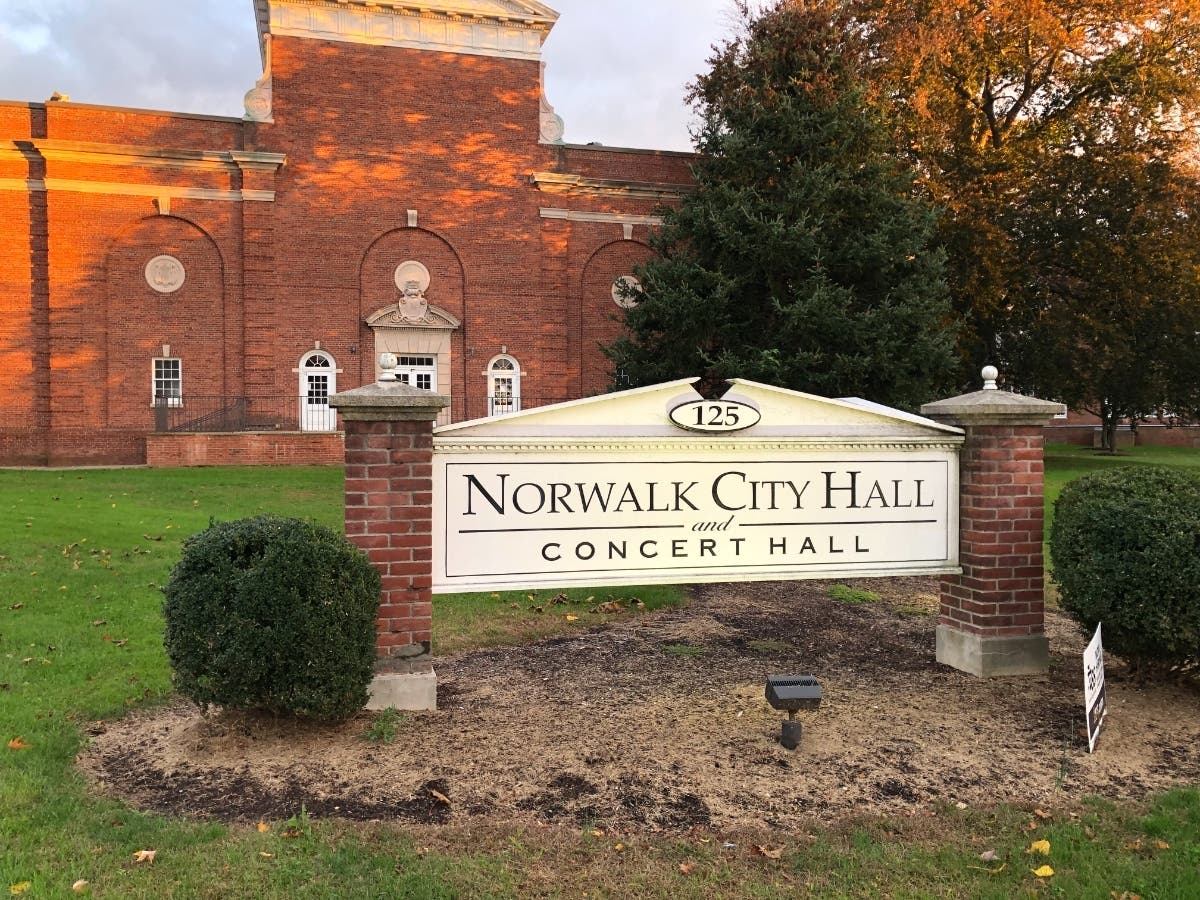
NORWALK, CT — The city has partnered with the Connecticut Institute for Resilience and Climate Adaptation to install 13 non-invasive temporary wireless heat sensors across Norwalk to address climate vulnerability.
In a news release Friday, Mayor Harry Rilling said the heat sensors have been mounted on trees or electric poles to track temperatures in different settings within Norwalk over the next four months to allow the city to better understand local environmental conditions.
"Extreme heat is a leading cause of climate vulnerability and through heat sensors, Norwalk is taking steps to proactively address the threats of climate change," Rilling said in a news release. "This initiative will help the city identify vulnerable areas to heat so we can implement the most effective ways to help our community prepare for when temperatures become oppressive, especially among disproportionately affected communities."
Find out what's happening in Norwalkfor free with the latest updates from Patch.
According to the city, the heat sensors record temperature, relative humidity, and dew point temperature at the street level to identify vulnerable areas to heat and extreme climate conditions.
Heat sensors are strategically placed approximately 5-6 ft above ground so that data can capture the differences between street and satellite measured temperatures and heat vulnerability in the area.
Find out what's happening in Norwalkfor free with the latest updates from Patch.
"If you see one of the heat sensors in the community, we ask that you leave it be and consider explaining the significance of how it will help the city learn more about climate vulnerability to others," Rilling said. "This initiative is an opportunity to implement natural climate solutions, especially in urban areas where people experience warmer air temperatures."
City landscapes tend to have hotter temperatures than surrounding areas. Norwalk plans to use the heat index data to identify the variability of air and surface temperature over time, especially as it relates to urbanization.
According to the city, this will help Norwalk officials determine policies such as where to place cooling centers and concentrate efforts to alleviate heat-related illness, as well as understand how certain traffic flows affect heat output.
The heat sensors are located in the following locations throughout Norwalk:
- Bounton St
- Calf Pasture Beach
- Cranbury Park
- East Norwalk Train Station
- Huckleberry Drive
- Norwalk Community College
- Norwalk Fire Station 2
- Norwalk Fire Station 5
- Norwalk High School/Naramake Elementary School
- Norwalk Main Public Library/Norwalk Center
- Rowayton Shoreline
- SONO Police Property Division/Station
- West Rocks Middle School
According to the city, the locations were chosen based on heat vulnerability data from CIRCA with a goal of diversifying locations while also selecting sites close to public facilities, such as schools and municipal buildings.
Further information about this project can be found through CIRCA's Norwalk Heat Study.
Get more local news delivered straight to your inbox. Sign up for free Patch newsletters and alerts.