Community Corner
Ridgefield Family Faces Rare Disease Journey With Infant Daughter Maisie
"There are moments when you just are overwhelmed," former Ridgefield Poet Laureate Barb Jennes said.


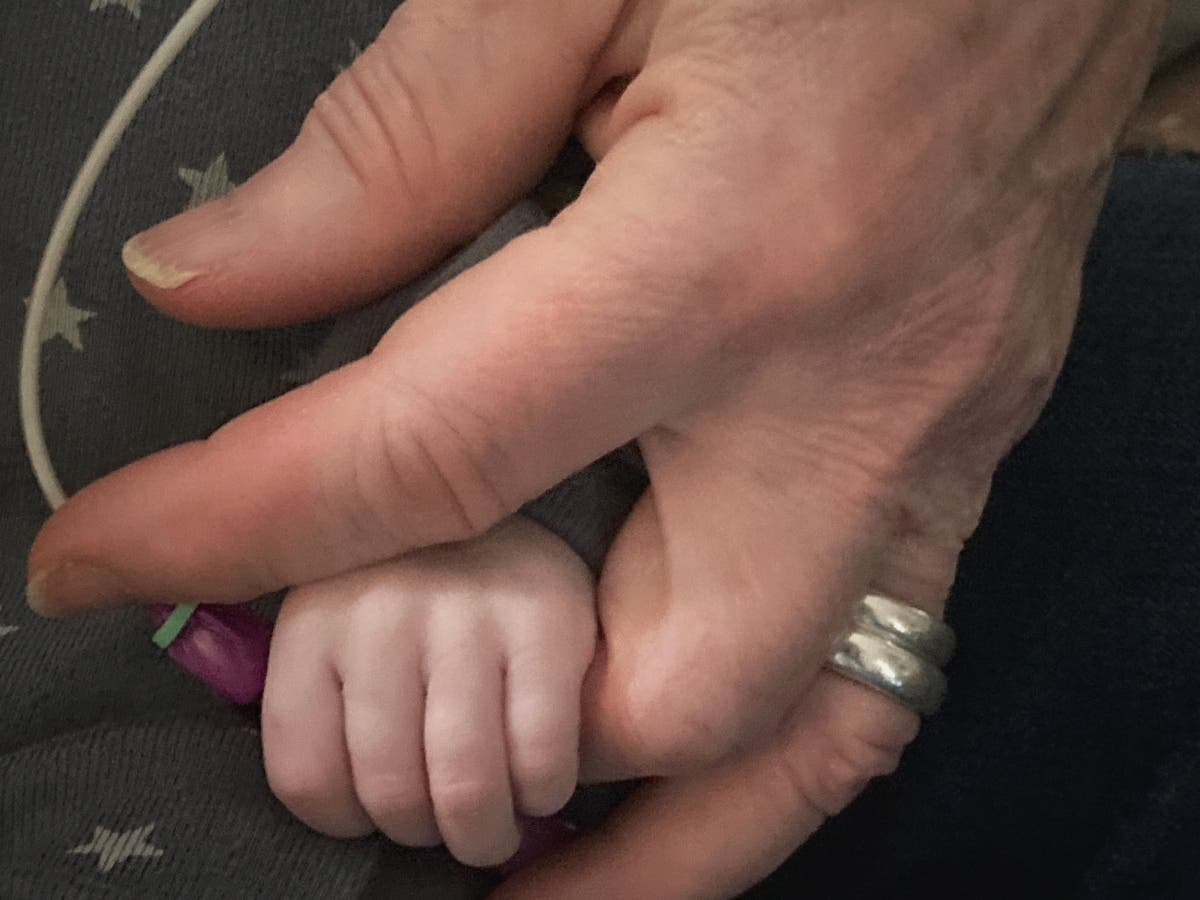
RIDGEFIELD, CT — When former Ridgefield Poet Laureate Barb Jennes speaks about her granddaughter Maisie Jeannette Meche, her voice shifts constantly between heartbreak and wonder.
“There are moments when you just are overwhelmed,” Jennes said. “It’s almost a grief for the hopes and expectations that may never be met that you had dreamed of. But it doesn’t last long, because we got work to do.”
Maisie, born Nov. 5, 2025, to Mallory and Justin Meche, entered the world weighing just 5 pounds, 7 ounces. In the weeks after her birth, instead of gaining weight, she continued to lose it. By early January, her pediatrician admitted her to Maria Fareri Children’s Hospital for testing after concerns over what doctors called “failure to thrive.”
Find out what's happening in Ridgefieldfor free with the latest updates from Patch.
The diagnosis that followed changed the lives and doctored the dreams of everyone around her.
Maisie has PMM2-CDG, one of a group of rare inherited metabolic disorders known as congenital disorders of glycosylation, or CDGs. According to the National Library of Medicine, PMM2-CDG affects how the body attaches sugar molecules to proteins, a critical process needed for normal growth and organ function. The disorder can affect nearly every system in the body, including the brain, muscles, liver, heart and digestive tract.
Find out what's happening in Ridgefieldfor free with the latest updates from Patch.
Symptoms can include developmental delays, seizures, liver disease, low muscle tone, abnormal blood clotting and feeding difficulties. The severity varies widely from patient to patient.
For the Meche family, the diagnosis introduced a new vocabulary of feeding tubes, blood sugar monitoring, specialist appointments and emergency risks.
“We’ve got to be on constant alert with her,” said Maisie’s father, Justin Meche. “We have to constantly be checking her sugar levels. We have to be concerned on her oxygen levels because of the disorder.”
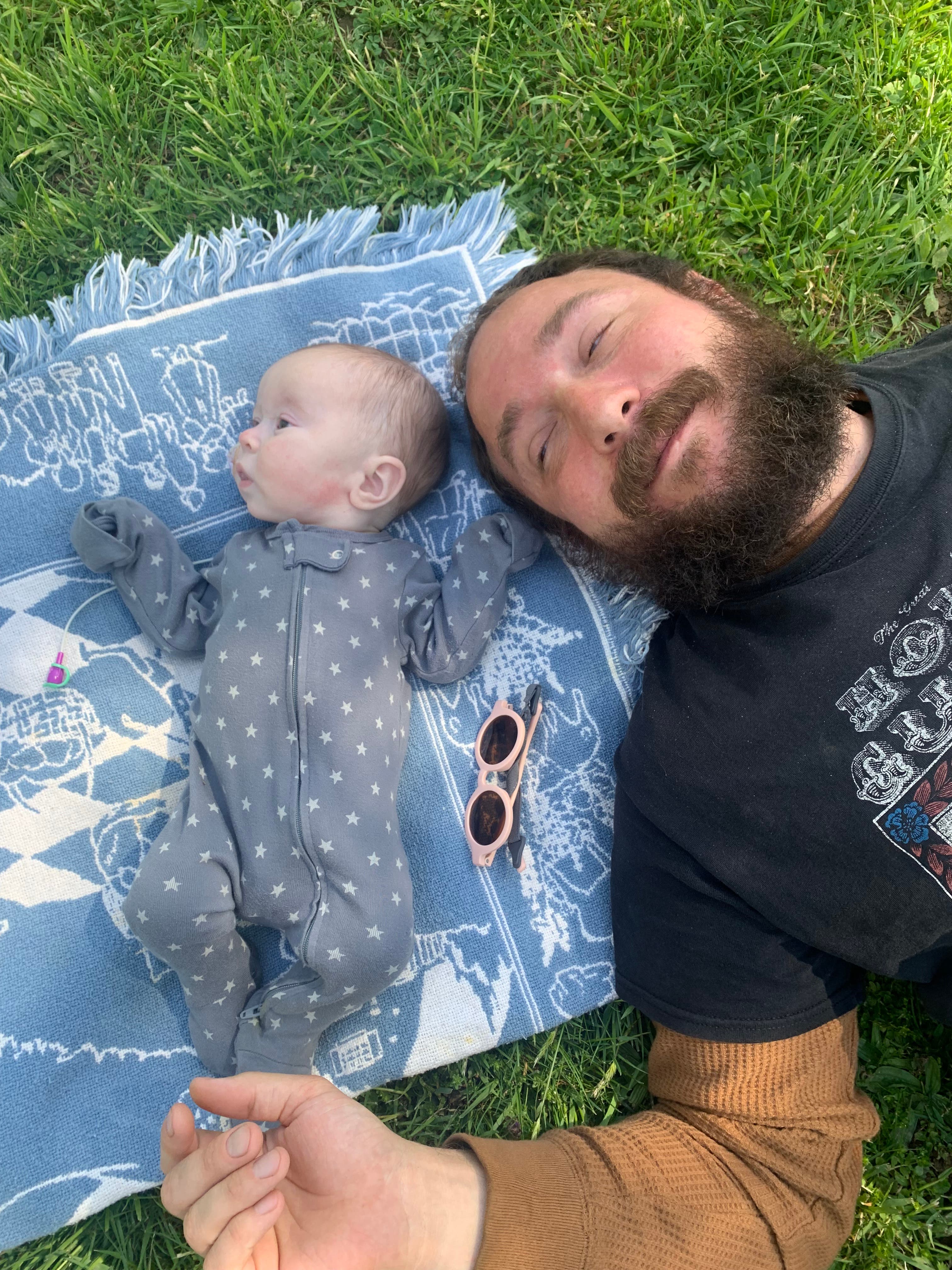
At just 6 months old, Maisie weighs about 8 pounds, 5 ounces — the same weight her mother, Mallory, weighed at birth. She cannot yet support her own head or sit independently. She has spent roughly a third of her young life in hospitals.
The demands on her parents are hell.
The family follows a strict around-the-clock feeding schedule because even small disruptions can become dangerous.
“If she is off by half an hour, an hour, it can be very life threatening,” Justin said.
Maisie currently receives nutrition through a feeding tube. Doctors are preparing to replace the nasal tube with a gastric feeding tube inserted directly into her stomach, a procedure her parents hope will make feeding more comfortable and help her relearn bottle feeding.
Her mother, Mallory Meche, said coping emotionally has required a conscious effort to stay focused on the present rather than the uncertainty ahead.
“I would have to say that staying present is huge, staying in the moment and not really worrying about what may happen,” Mallory said. “There’s a lot of anticipatory grief for milestones she may not reach, or things she may not be able to do. But focusing on the here and now and making her life as good as possible in the present moment has been what helps keep me sane.”
Despite the severity of the condition, Maisie’s family says there are reasons for hope.
Unlike some children with PMM2-CDG, Maisie’s organs are currently functioning. Though she has elevated liver enzymes and fluid surrounding her heart, she has not yet experienced the seizures common among many patients with the disorder.
Justin said the family has connected with specialists across the country while searching for answers and treatment options.
At first, he said, doctors dismissed the possibility of PMM2-CDG because the condition is so rare.
“We kept telling them, ‘Hey, we think she might have PMM2,’” Justin recalled. “Doctors just kept brushing us off.”
Eventually, the family connected with Dr. Eva Morava at Mount Sinai in New York, one of the leading specialists in CDGs. The family also found support through CDG CARE, a Colorado-based advocacy and support organization that helps connect families with researchers and medical experts.
Jennes recently attended an international CDG conference in Orlando, where families met with researchers, geneticists and physicians studying the disorders.
“I met children and young adults whose CDG variants are calamitous,” she told Patch. “Continuous seizures. Confinement to a wheelchair due to non-existent muscle tone. Severe intellectual delay.”
Yet she also came away inspired by the devotion she witnessed among families caring for children with profound disabilities.
“Like Maisie, every one of them was clearly loved by devoted family members,” she said.
The emotional toll on the Meche family remains immense, but moments of ordinary joy still break through.
Maisie loves music. According to her grandmother, she listens to Beatles lullabies, Raffi songs, Mozart and a hip-hop alphabet song her mother found online. She smiles when Justin’s beard tickles her face. She responds to conversations with enthusiastic “gah!” sounds that delight her grandparents.
“And despite it all,” Jennes wrote, “Maisie is happy.”
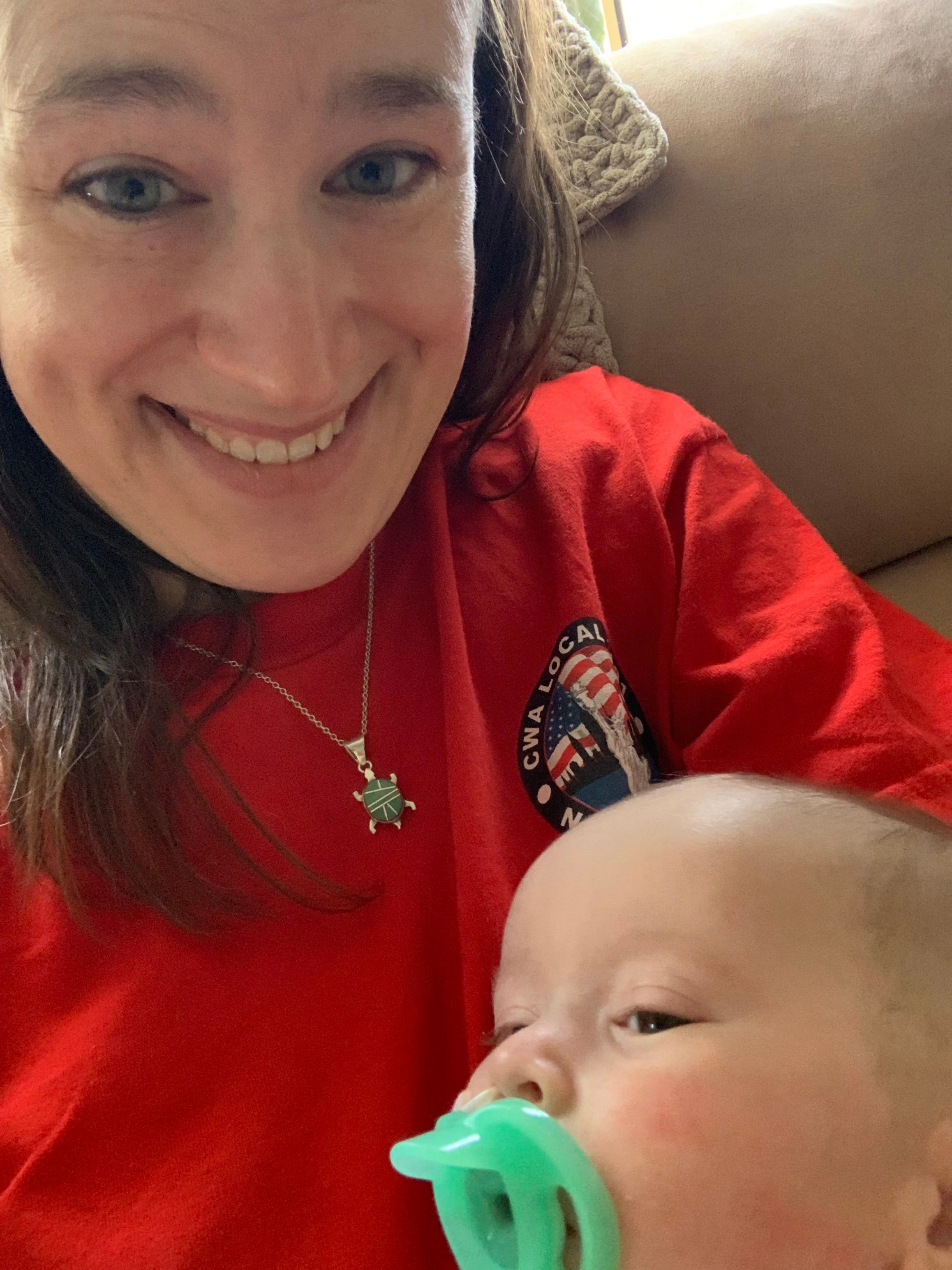
The family’s days now revolve almost entirely around her care: physical therapy appointments, speech and swallow therapy, medical testing, specialist visits and monitoring for infections.
Because children with PMM2-CDG can be especially vulnerable to illness, the family remains cautious about visitors and outside caregivers.
“We really don’t trust anybody coming into the household right now,” Justin said. “She’s so susceptible for infections and other things.”
Still, the family, who recently bought a home in Hopewell Juction, NY, says support from friends, relatives and the broader community has helped sustain them.
“It’s nice to see everybody coming out to help,” Justin said.
That support now includes growing public awareness efforts. Gov. Ned Lamont recently proclaimed May 16 as CDG Awareness Day in Connecticut after outreach from Jennes and state Rep. Aimee Berger-Girvalo.
For Jennes, the goal is simple: make more people aware of disorders most have never heard of until they devastate a family they know.
“Every step toward building awareness of these rare, underdiagnosed, devastating disorders will have a resounding effect on the health and wellbeing of future generations,” she said
For now, though, the Meche family continues to measure victories one day at a time — a stable feeding, a successful therapy session, another smile from Maisie.
“We’re mostly trying to make sure that her brain stays growing and she stays strong enough to possibly walk one day, and talk,” Justin said.
A GoFundMe page has been established to assist the family in meeting the costs "to ensure Maisie's comfort and care until a treatment - or perhaps a cure - can be found."
And through the uncertainty, the family keeps returning to the same guiding principle Mallory described: stay present, cherish the moments that exist now, and keep moving forward together.
Get more local news delivered straight to your inbox. Sign up for free Patch newsletters and alerts.