Health & Fitness
Ridgefield Resident Recovering from Rare Powassan Virus
There are no vaccines to prevent or medicines to treat the Powassan virus, according to the CDC.


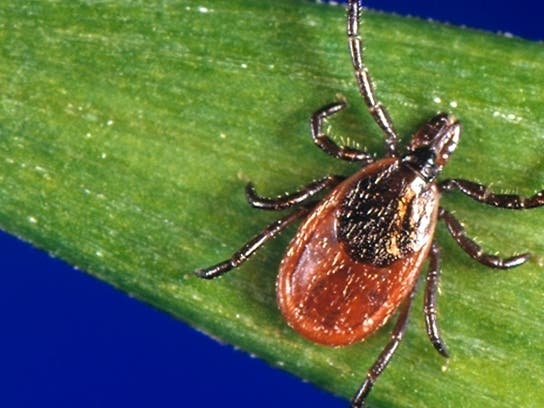
RIDGEFIELD, CT — A Ridgefield resident is recovering from the rare Powassan virus, the fourth known person to contract the disease since it was added to the list of reportable diseases in Connecticut on Jan. 1.
Previous reports of the tick-born disease were made in New Canaan, Newtown and New Preston, according to Elizabeth Conklin, health program supervisor at the Connecticut Department of Public Health.
The Powassan virus is spread to people by the bite of an infected tick, according to the Centers for Disease Control and Prevention, which describes the disease as "rare, but often severe." The number of reported cases of people sick from Powassan virus has increased in recent years. Most cases in the United States occur in the northeast and Great Lakes regions from late spring through mid-fall when ticks are most active.
Find out what's happening in Ridgefieldfor free with the latest updates from Patch.
There are no vaccines to prevent or medicines to treat Powassan virus disease, according to the CDC. The only strategy is to avoid ticks.
Many people infected with Powassan virus do not have symptoms. For those who do, they may include fever, headache, vomiting and weakness. The incubation period — the time from tick bite to feeling sick — ranges from one week to one month, according to the CDC.
Find out what's happening in Ridgefieldfor free with the latest updates from Patch.
Powassan virus can also result in encephalitis and meningitis. Symptoms of severe disease can include confusion, loss of coordination, difficulty speaking and seizures, according to the CDC. Approximately ten percent of the cases are fatal.
Healthcare providers may diagnose Powassan virus infection based on these signs and symptoms, the patient's history of possible exposure to the ticks that spread Powassan virus, and a lab test of blood or spinal fluid.
Currently, there is no way to treat the disease. Patients suffering from severe cases of Powassan virus will often require hospitalization to manage hydration, breathing and brain-swelling issues. Approximately half of the patients who survive the virus will suffer from long-term health issues such as memory problems, recurring headaches and loss of strength and muscle mass.
Preventing Tick Bites
The ticks which carry Powassan virus and other diseases live in grassy, brushy, or wooded areas, or even on animals. Spending time outside walking your dog, camping, gardening, or hunting could bring you in close contact with ticks. Many people get ticks in their own yard or neighborhood, the CDC reports.
Always check yourself and your pets when coming in from wooded areas. Tumble dry clothes in a dryer on high heat for 10 minutes to kill ticks on dry clothing after you come indoors. If the clothes are damp, additional time may be needed. If the clothes require washing first, hot water is recommended. Cold and medium temperature water will not kill ticks., according to the CDC.
The agency recommends treating clothing and gear with products containing 0.5 percent permethrin. Permethrin can be used to treat boots, clothing and camping gear and remain protective through several washings. Alternatively, you can buy permethrin-treated clothing and gear.
The CDC suggests using Environmental Protection Agency (EPA)-registered insect repellents containing DEET, picaridin, IR3535, Oil of Lemon Eucalyptus (OLE), para-menthane-diol (PMD), or 2-undecanone. The EPA provides an online guide for finding the insect repellent best-suited for your needs. Do not use products containing OLE or PMD on children under 3 years old.
If you think you or a family member might have Powassan virus disease, see your healthcare provider.
Get more local news delivered straight to your inbox. Sign up for free Patch newsletters and alerts.