Crime & Safety
Police Department Takes Proactive Approach to Suicide Prevention
Chief discusses procedures enacted by the department before and after an officer's suicide in April.


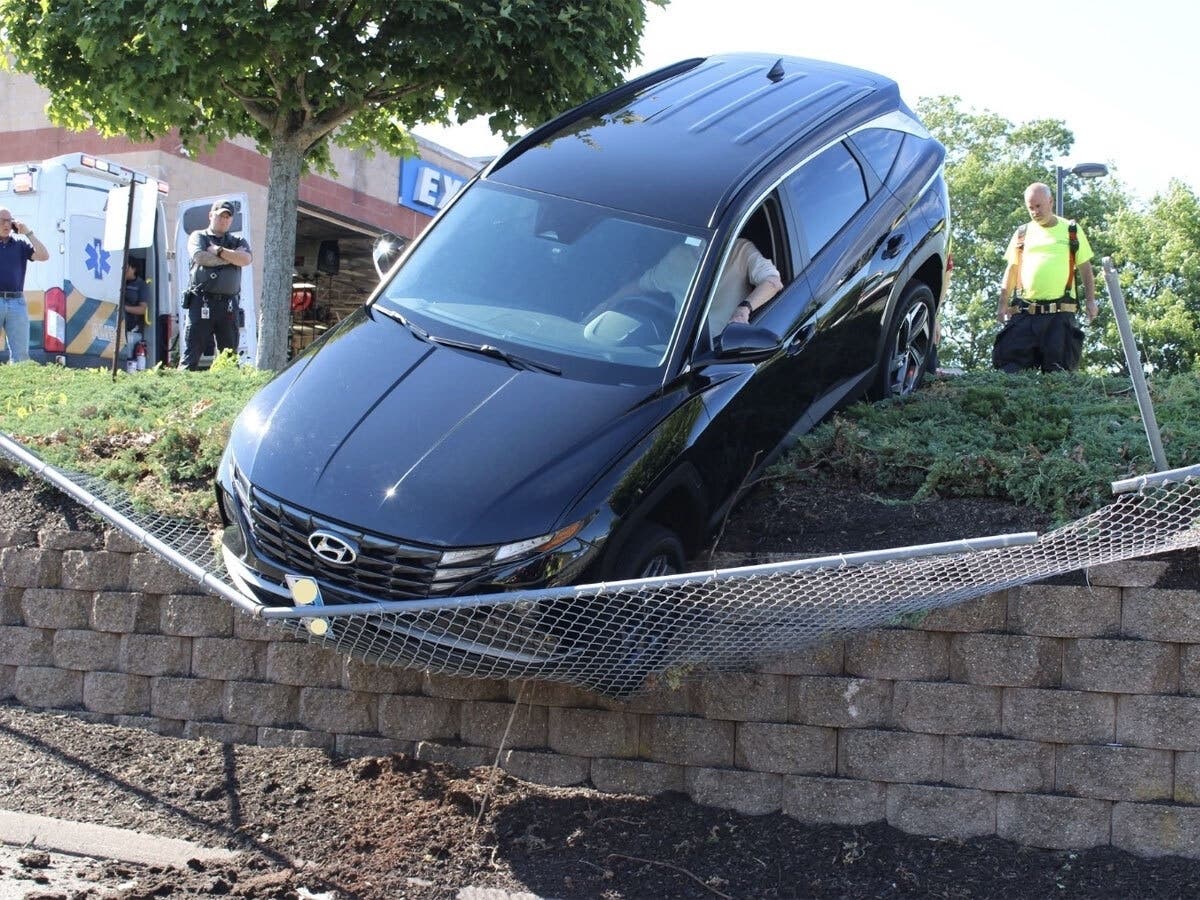
The Rocky Hill Police Department is using advanced training and counseling to help officers deal with the everyday realities of their job after an officer took his life here in April.
The department received some criticism after it did not send a representative to a conference on police suicides last week. The department was asked to attend the conference sponsored by the Connecticut Alliance to Benefit Law Enforcement because one of its officers, Lenny Kulas, killed himself in his cruiser in April.
Police Chief Michael Custer said he received a “mass, blanket” training email to attend the conference. However, Custer did not respond because he gets hundreds of emails a week. No one ever reached out to the department formally, he added.
Find out what's happening in Rocky Hillfor free with the latest updates from Patch.
Custer said the department is hurting after the incident, but he thinks it has taken the steps to foster a good work environment.
“We were being proactive,” Custer said. “Something happens on the job, you can do something about it. You don’t know what goes on outside.”
Find out what's happening in Rocky Hillfor free with the latest updates from Patch.
The department also has nine officers, including Custer, who have completed the Connecticut Alliance to Benefit Law Enforcement's Crisis Intervention Team Training. They have a 10th officer who is expected to take the voluntary course sometime this year.
In addition, the department belongs to the Public Safety Employee Assistance Program, which offers mental health services for first responders, including police, fire, EMS and their spouses. The program is an independent agency outside of the town government.
The department has belonged to the program, which offers peer-counseling training, for the last eight years.
“We have been very happy with them," Custer said about the EPA.
Custer said he receives a monthly breakdown of how many people from the department use the service and for what reasons. The reports do not include names because of confidentiality requirements.
The department can also recommend people to the EPA for problems such as, substance abuse, gambling, marital trouble or financial issues. However, the EPA can only inform the police department if the person attended.
Every three years, the police department has to maintain its certification. Every officer, no matter the rank, has to attend mandatory courses, including suicide awareness and prevention.
“You can apply it to people in the field, just as easy to people in your organization,” Custer said. “You can offer all the resources available to them. You cannot make them utilize them.”
After the Kulas suicide, the chief called the EPA and they were in police headquarters within hours. The team from EPA, which is made up of specially trained first responders, stayed with the department for several days and attended the wake and funeral for Kulas.
“They never left us,” Custer said.
In the last 10 to 15 years, Custer said, the profession “has come a long way” with dealing with the issues police officers face on a daily basis. Custer said when he was hired 30 years, you were “expected to deal with it,” and now, it is different.
“The mentality has changed,” he said.
Get more local news delivered straight to your inbox. Sign up for free Patch newsletters and alerts.