Community Corner
Tick Tips for Rocky Hill Residents
Tick activity is expected to be very high this year.


With warm weather upon us and people spending more time outdoors, The Eastern Highlands Health
District is reminding residents to take precautions to prevent being bitten by ticks and being
potentially exposed to Lyme disease or other tick-borne illnesses.
“Tick activity this spring is expected to be very high this year. Citizens are urged to remain vigilant in efforts to prevent tick bites.” states Robert Miller, Director of Health for the EHHD.
Find out what's happening in Rocky Hillfor free with the latest updates from Patch.
According to the CDC, Lyme disease is the most commonly reported vector borne illness (or disease
transmitted to humans by ticks, mosquitoes or fleas) in the United States, with nearly 30,000 confirmed
cases reported every year.
According to Dr. Goudarz Molaei, who directs the Connecticut Agricultural Experiment Station (CAES)
Tick Testing Program, “we have received over 450 ticks so far this year and nearly 38 percent have tested
positive for Lyme disease spirochetes, 10 percent for Babesia microti,the causative agent of babesiosis, and
5 percent for Anaplasma phagocytophilum, the causative agent of human granulocytic anaplasmosis.”
Find out what's happening in Rocky Hillfor free with the latest updates from Patch.
The higher tick abundance appears to be related to warmer winter temperatures in the state during the last
two years. Over the past five years, the Tick Testing Laboratory has received 12,483 ticks from Connecticut
residents or health departments for testing and on average 27 percent tested positive for the Lyme disease
agent.
Here are some tick tips, courtesy of the EHHD:
About
Lyme disease is caused by the bacterium Borrelia burgdorferi and is transmitted to people by the bite of
an infected black-legged tick (also known as the deer tick).
The greatest risk for Lyme disease is between
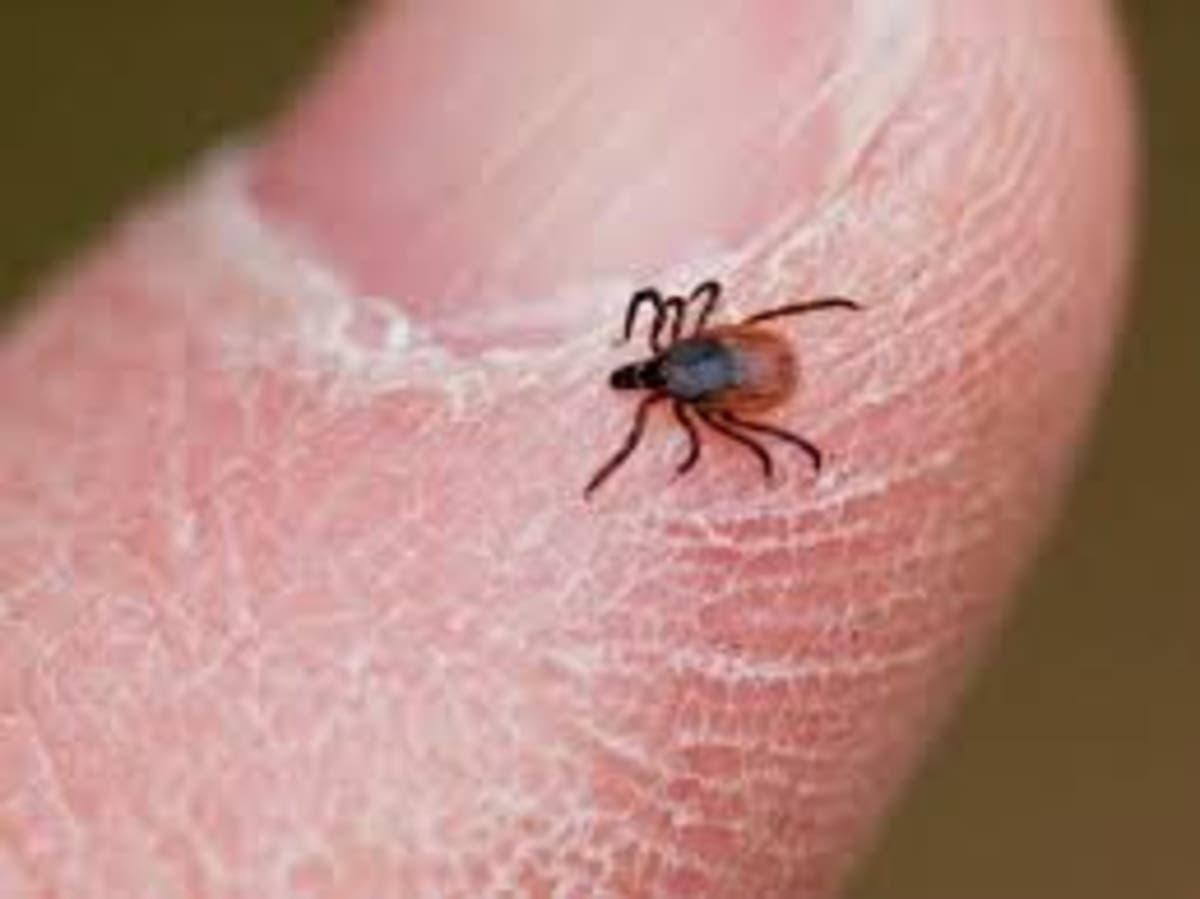
the months of May and August when the black-legged tick is in the juvenile stage; it’s the size of a poppy
seed and very difficult to see, so individuals may be unaware they have been bitten. Ticks that transmit
Lyme can also transmit other diseases, such as anaplasmosis, babesiosis, and Powassan virus. Although
not as common as Lyme, these diseases can also cause illness.
Symptoms
Symptoms of Lyme disease include fever, headache, fatigue, and often a skin rash that is round and
looks like a bulls-eye. Lyme disease is treatable with antibiotics, but if left untreated can lead to severe
headaches and neck pain caused by meningitis (inflammation of the spinal cord), pain and swelling in the
large joints, shooting pains that may interfere with sleep, and heart palpitations and dizziness.
Prevention
EHHD recommends following “BLAST” steps to prevent tick bites and reduce your risk for tick borne
diseases:
- Bathe or shower soon after coming indoors
- Look for ticks and remove with fine tipped tweezers
- Apply repellents to skin and/or clothing
- Scultp your yard to reduce tick habitats
- Treat your pets with a product recommended by your vet
Using repellents and pesticides, while proven effective, is a personal decision. Please reference the tick management handbook at www.ehhd.org/tickprevention for tips on landscape
management.
If not treated, Lyme disease can create serious health complications. Remember that prevention efforts
and early interventions can minimize the risk. According to the latest research from the CDC, “patients
treated with appropriate antibiotics in the early stages of Lyme disease usually recover rapidly and
completely.” Always remember to speak with your healthcare provided if you or a family member is bitten
by a tick or if you notice a large round rash anywhere on you.
More Resources:
For more information about Lyme disease and other tick-borne diseases, including information on
recognizing a rash, the printable version of the BLAST brochure, how to remove a tick, tips on landscape
management, and resources on getting ticks tested for Lyme, visit the EHHD website at
www.ehhd.org/tickprevention.
Detailed information about tick-associated diseases and prevention can be found at the following websites:
www.cdc.gov/ticks
www.cdc.gov/lyme
www.ct.gov/dph/cwp/view.asp?a=...
Patch File Photo
Get more local news delivered straight to your inbox. Sign up for free Patch newsletters and alerts.