Politics & Government
Decision On Tolls, Alcohol Law Changes Made in CT
The issue of minimum bottle pricing on alcohol was decided by a judge while tolls came up in the State House.


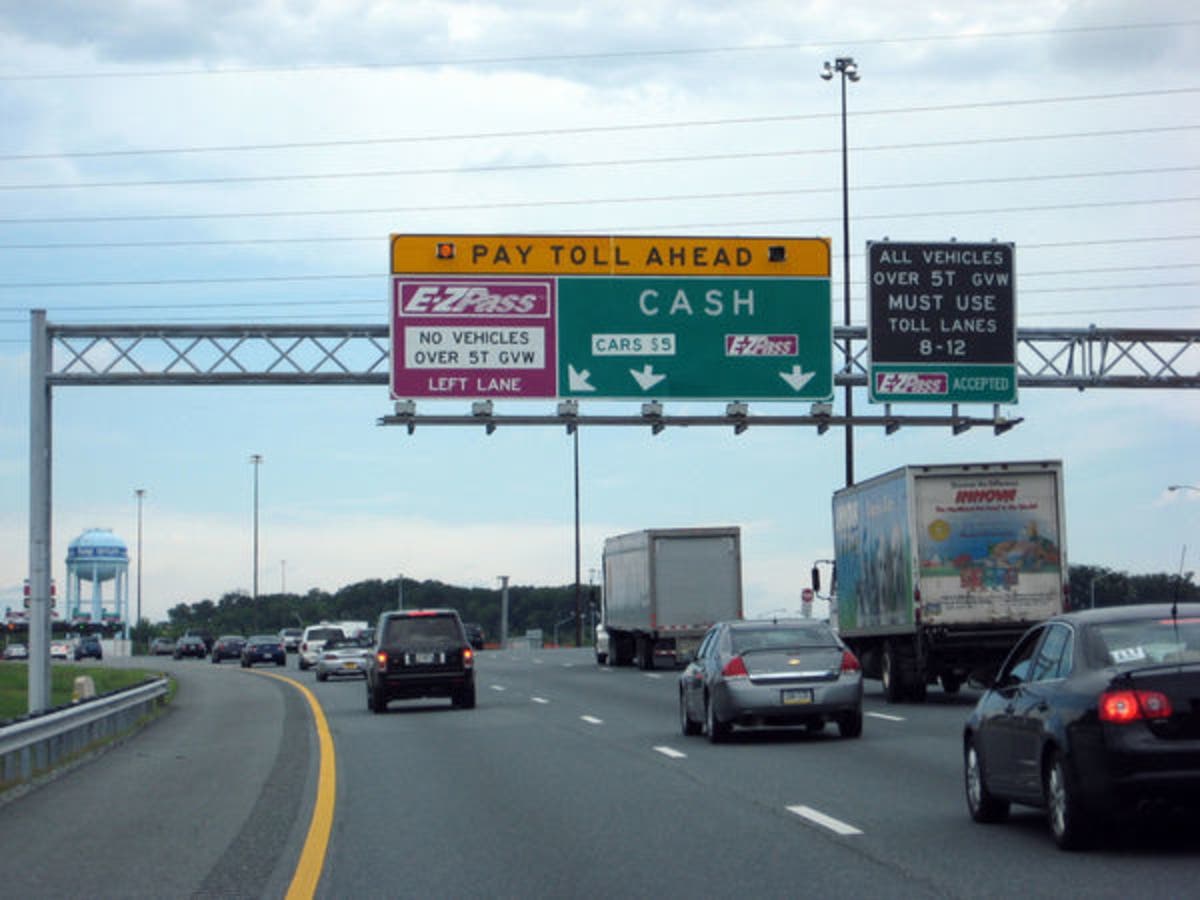
HARTFORD, CT — The future of two hot-button issues were decided in Connecticut Tuesday. Once again opposition to the return of tolls in Connecticut won the day after the State House dropped the issue without a formal vote. Meanwhile, a federal judge tossed Total Wine and More's lawsuit about minimum bottle pricing laws in Connecticut.
“Connecticut residents can’t afford to wait; we must invest in transportation now,” said State Rep. Tony Guerrera, chair of the transportation committee and a strong advocate for tolls. “Every day we put off making these tough decisions, we risk tragedy on our decaying roads and bridges.”
On Monday Democratic leaders of the House said they were one vote short of passing the measure. The measure before legislators would have authorized the Department of Transportation to conduct a study regarding tolls. (Get Patch's Daily Newsletter and Real Time News Alerts. Or, if you have an iPhone, download the free Patch app.)
Find out what's happening in Shelton-Derbyfor free with the latest updates from Patch.
All 151 state representatives were present for the showdown, which included 1 ½ hours of debate, according to the Hartford Courant. In the end the issue was suspended.
Also in CT News: Lighthouse Sold Off Connecticut Coast
Find out what's happening in Shelton-Derbyfor free with the latest updates from Patch.
The issue would’ve then come back up in the 2018 legislative session for final approval.
Some legislators hope that the toll measure will be discussed as part of the summer special session that will focus on finalizing the state budget. House Republican Leader Themis Klarides said there were too many issues surrounding tolls to support the measure.
“Those issues include what revenues would the state in the next biennium and the years after and where and how the tolls would be operated,” she said.
Minimum Bottle Pricing Lawsuit Tossed
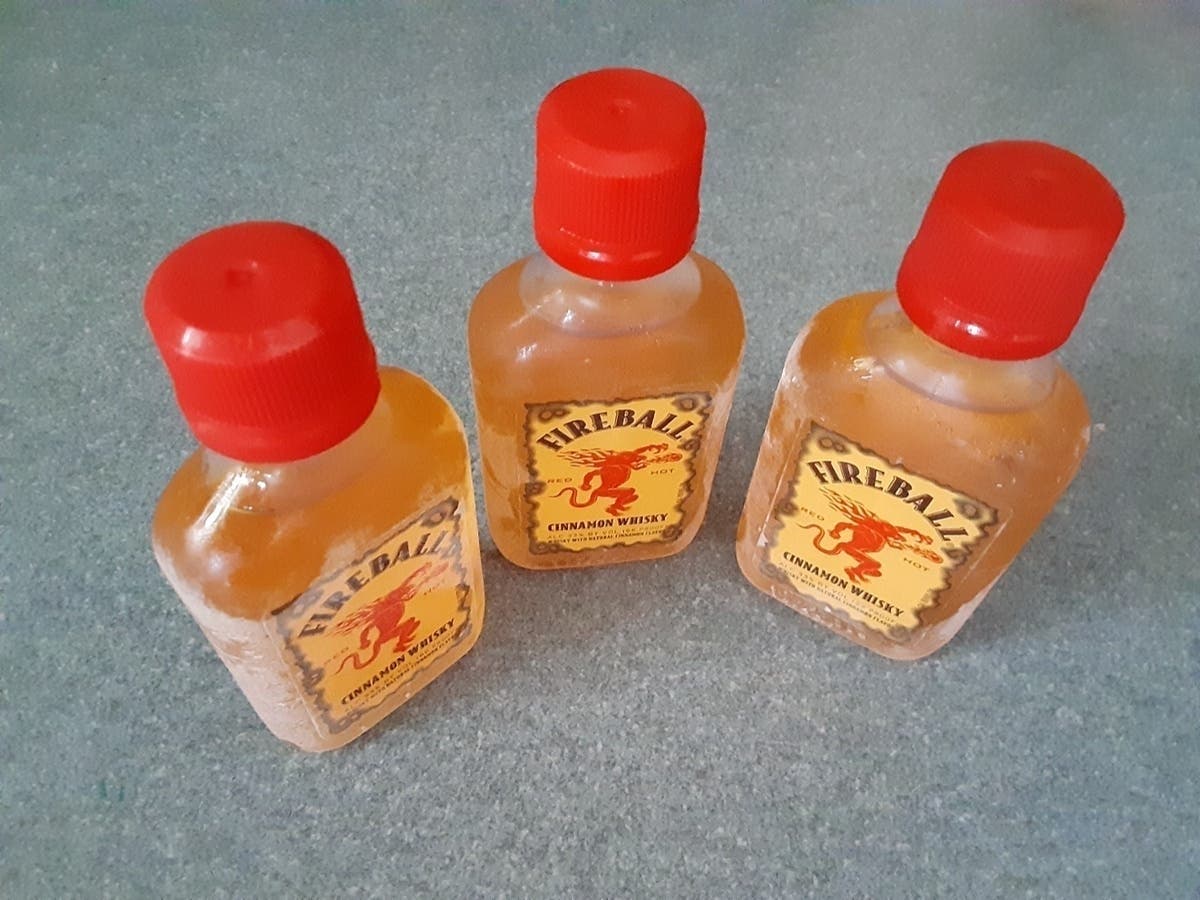
U.S. District Court Judge Janet Hall approved a motion to dismiss Total Wine and More's lawsuit against the State of Connecticut regarding the state's minimum pricing on alcohol law. Total Wine contended that the law amounted to price fixing.
The law is often seen as a boon to smaller mom and pop liquor stores who are able to buy alcohol at the same price as a big box store like Total Wine. Last year Total Wine flouted the law for a short time by selling some wares below cost.
The minimum price law has since been amended four times, most recently in 2012 to allow one monthly item to be sold below cost (not less than 90 percent) and in 2005 when the calculation for cost of beer was changed.
For alcohol other than beer, the minimum price is the bottle price plus shipping and handling. Bottle price is the price of a bottle determined by dividing the case price by the number of bottles and adding two, four or eight cents, depending on bottle size.
"...these provisions constitute hybrid restraints that receive rule of reason scrutiny and therefore cannot be preempted," Hall wrote in her decision. "Total Wine’s claim that the price discrimination prohibition is preempted is also dismissed, because that provision is a unilateral restraint outside the scope of the Sherman Act."
The minimum pricing rule is unique to Connecticut and results in up to 24 percent higher prices for identical products offered in different states, according to a study by the Distilled Spirits Council of the United States.
Gov. Dannel Malloy has supported an end to minimum pricing laws in Connecticut. Under his administration Connecticut has done away with a ban on Sunday sales of alcohol and has extended sale hours on all days.
Constitutional Transportation “Lockbox” Approved
Before the toll issue members of the House voted to support a constitutional “lockbox” for transportation funds. It would prevent the Special Transportation Fund from being raided to help settle budget deficits. The constitutional amendment will go before voters in 2018 if the measure is approved by the Senate. Malloy has already signaled his strong support for the measure.
“For too long, the state failed to make the necessary upgrades and maintenance on our roads, bridges, and railways and we are paying the price today for this neglect,” said Gov. Dannel Malloy. “We owe taxpayers a say in how the state should safeguard transportation funds from future sweeps by future legislatures or governors.”
The Special Transportation Fund is expected to be insolvent by 2020 as fuel tax receipts drop and the state tackles transportation infrastructure projects, according to the CT Mirror.
Klarides said the Democratic proposal won’t go fare enough to secure future transportation funds.
“The Democratic proposal had a shiny lock on the front and big hole in the back that can be used to loot the account when needed. Democrats really do not want to have their hands tied when it comes to this idea,’’ Klarides said. “They know they will be able to loot this account when the time comes.’’
Democrats accused Republicans of "putting politics ahead of the interests of taxpayers."
“This is another example of showing the people of Connecticut that House Republicans really don’t care about looking for ways to fix our outdated transportation infrastructure, and that their only priority is looking ahead to the 2018 elections," said Speaker of the House Joe Aresimowicz.
Image via MPD01605/Flickr Commons
Get more local news delivered straight to your inbox. Sign up for free Patch newsletters and alerts.