Business & Tech
CT AG Sues Stamford-Based Purdue Pharma Over Opioid 'Falsehoods'
The lawsuit alleges that Purdue "peddled a series of falsehoods" to push patients toward its opioids in order to reap huge profits.


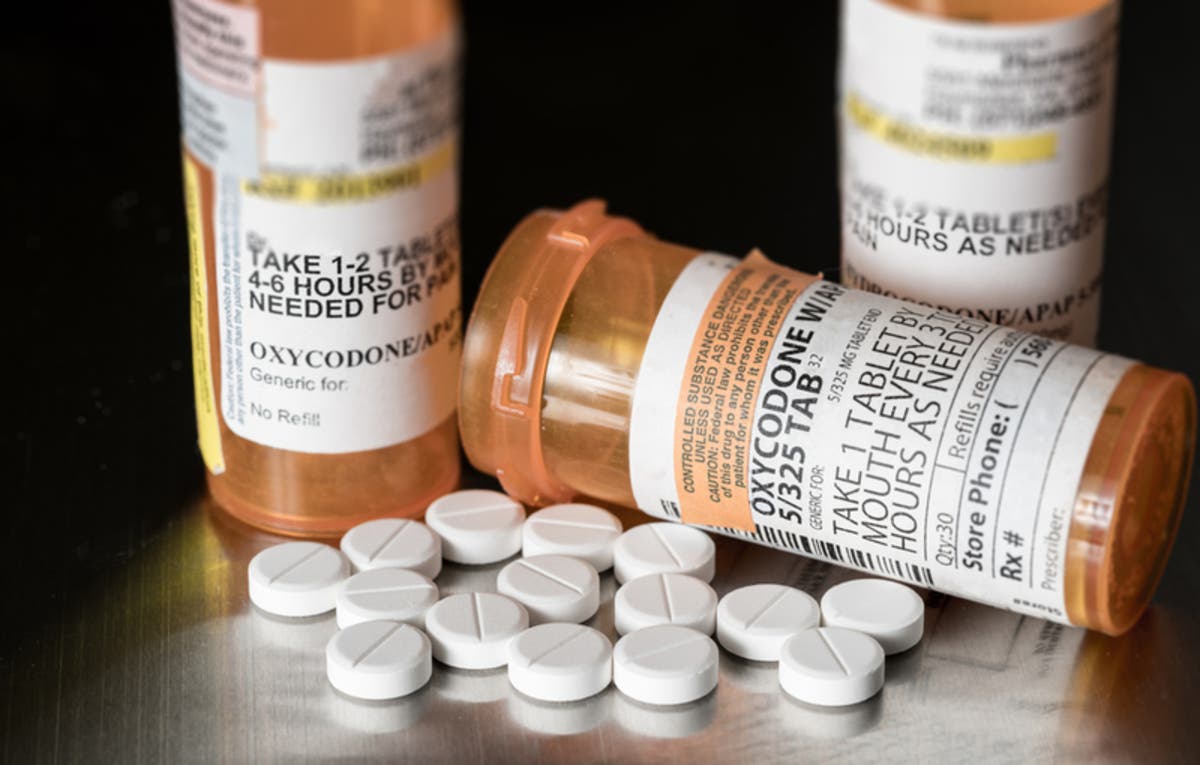
STAMFORD, CT — Claiming the company "peddled a series of falsehoods," Connecticut Attorney General George Jepsen Thursday announced that the state is suing Stamford-based Purdue Pharma and several current and former members of Purdue's management and board of directors over the pharmaceutical company's opioid products.
The lawsuit alleges that Purdue Pharma "designed, financed and waged a pervasive and aggressive campaign to mislead doctors and patients, claiming that prescription opioid medications manufactured and marketed by the company were safe and effective and strategically downplaying risks of addiction that they knew were inherent in their opioid products," according to Jepsen.
Purdue allegedly pushed patients toward its opioids, Jepsen states, "reaping massive profits from sales while opioid addiction skyrocketed to the crisis level" in Connecticut and throughout the country.
Find out what's happening in Stamfordfor free with the latest updates from Patch.
"For a number of months, Connecticut and our multistate partners have been engaged in intensive negotiations with opioid manufacturers and distributors in the hope of resolving potential legal claims in a way that would avoid protracted litigation and would bring opioid treatment resources to those who are desperately in need," stated Jepsen, who is currently part of the leadership of a multistate coalition of attorneys general who are investigating opioid manufacturers and distributors. "I expect those negotiations to continue, and I remain hopeful they will bring a resolution that helps to address this ongoing crisis."
In 2017, Connecticut suffered more than 1,000 opioid-related overdose deaths, and could reach a similar figure by the end of this year, according to the Office of the State Medical Examiner.
Find out what's happening in Stamfordfor free with the latest updates from Patch.
Patch reached out to Purdue Pharma spokesperson Robert Josephson for comment, and he replied with the following statement:
"We share the state’s concern about the opioid crisis. While Purdue Pharma’s opioid medicines account for less than 2 percent of total prescriptions, we will continue to work collaboratively with the state toward bringing meaningful solutions to address this public health challenge.
"We vigorously deny the state’s allegations. The state claims Purdue acted improperly by communicating with prescribers about scientific and medical information that FDA has expressly considered and continues to approve. We believe it is inappropriate for the state to substitute its judgment for the judgment of the regulatory, scientific and medical experts at FDA. We look forward to the opportunity to present our substantial defenses."
The company stopped promoting opioids to prescribers in February of this year. Additionally, the says that the last of its promotional speaker programs ended in 2017:
- Butrans speaker program concluded end of 2016
- Hysingla ER speaker program, ended Nov. 2017
- OxyContin speaker program concluded at the end of 2016
However, Jepsen claims the company has not done enough to show that its serious in fully addressing the state's concerns.
"It is my hope that, in filing this lawsuit at this time, Connecticut can assist in the collective effort to hold this company and responsible individuals accountable," Jepsen stated. "We will allege in court that Purdue knowingly put its own exorbitant profits first when it purposefully and systematically misled doctors by not just downplaying the terrible risks of addiction, but by forcefully asserting that opioid products were safe, that the risk of addiction was low, and that patients experiencing symptoms of addiction should actually be prescribed higher and greater doses of Purdue's opioid drugs. We allege that this behavior was endorsed and promoted by the highest leadership of the company and that it was in violation of Connecticut law."
To read the state's lawsuit, click here. Also, from Jepsen's announcement:
The state alleges that Purdue misinformed patients and doctors to get more and more people taking its premier opioid drug, OxyContin, and its two other opioid medications, Hysingla and Butrans. Purdue allegedly lead patients and doctors to believe that opioids were safe to treat even minor pain, and that patients could and should take higher and more dangerous doses. The state alleges that Purdue sent sales representatives to doctors' offices, clinics, pharmacies and hospitals in Connecticut to make deceptive sales pitches about opioid drugs; rewarded high-prescribing doctors with attention, meals, gifts and money; and awarded prizes and bonuses to sales representatives who generated the most opioid prescriptions.
The company did not tell doctors that higher doses of opioids carried heightened risk of addiction, overdose and death, the state alleges, and the company funded and distributed publications that misrepresented the addictive nature of prescription opioids and made claims that were not supported by scientific evidence. The state alleges that Purdue promoted the idea of "pseudoaddiction," suggesting that patients who appeared to be addicted were instead receiving inadequate doses and needed more prescription opioid drugs.
In addition to the company, the state's lawsuit names current and former board members as defendants, alleging that they tracked sales representatives and oversaw the tactics used to push opioid drugs. The individual defendants include: Richard Sackler, Jonathan Sackler, Mortimer D.A. Sackler, Kathe Sackler, Ilene Sackler Lefcourt, Beverly Sackler, David Sackler, Theresa Sackler, Cecil Pickett, Paulo Costa, Ralph Snyderman, Frank Peter Boer and Judy Lewent. The lawsuit also names past CEOs John Stewart and Mark Timney as defendants.
The lawsuit will be filed in Superior Court in Hartford. It alleges four counts of violations of the Connecticut Unfair Trade Practices Act and seeks damages, civil penalties, forfeiture of ill-gotten profits and restitution as well as permanent injunctive and other relief.
In Connecticut, 1038 people died of accidental drug overdoses in 2017, the vast majority from opioid-related overdoses. The Connecticut Office of the Chief Medical Examiner has projected that 1030 more people will die of overdoses in 2018. From 2013 to 2016, Connecticut experienced a fourfold increase in deaths from prescription opioid overdoses, and the estimated economic cost of the opioid epidemic in Connecticut in 2016 was $10.27 billion.
Assistant Attorneys General Jeremy Pearlman, Ann-Marie DeGraffenreidt, Michael Wertheimer, John Wright and Lorrie Adeyemi, head of the Consumer Protection Department, are assisting the Attorney General with this matter.
Image via Shutterstock
To sign up for Stamford breaking news alerts and more, click here.
Get more local news delivered straight to your inbox. Sign up for free Patch newsletters and alerts.