Neighbor News
Erased and Exploited—Surviving, Fighting Back, and Refusing to Disappear After Brain Injury
Living with a brain injury means facing stigma and misunderstanding—real awareness and action from leaders is urgently needed.

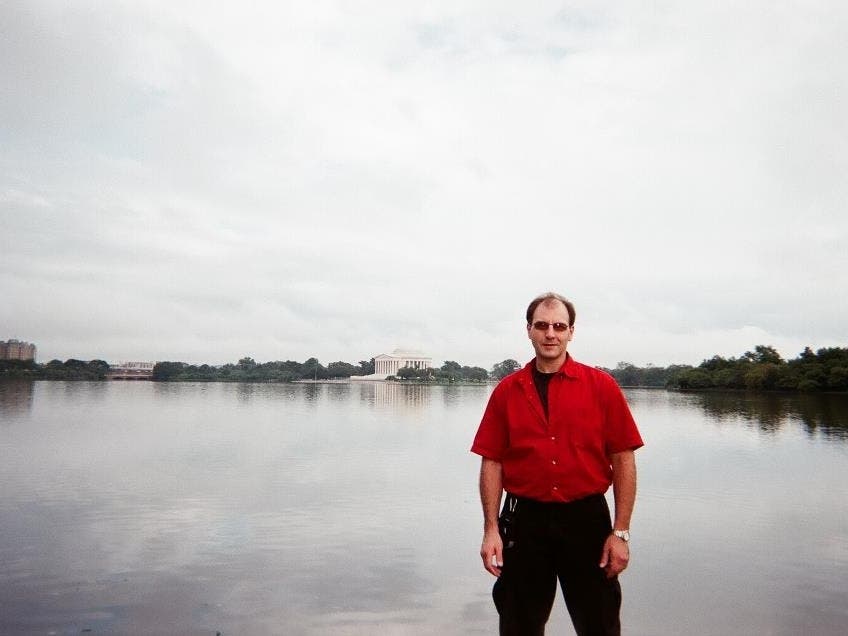
I’m sharing my experience for every survivor who’s ever felt invisible or mistreated by the system. Our voices deserve to be heard, and I hope these words help you feel seen and empowered.
I want to be brutally honest—no filters, no holding back. This is my truth, everything I’ve fought to say, and everything the system would rather you didn’t hear. If you want to know what it’s really like to survive, speak up, and fight back, here it is—raw, real, and unfiltered. Let’s start at the beginning.
by Craig Sears
Find out what's happening in Stamfordfor free with the latest updates from Patch.
I often talk about what happened in my state, but make no mistake: this kind of thing happens everywhere.
Before the accident, my future was wide open and full of possibilities.
Find out what's happening in Stamfordfor free with the latest updates from Patch.
Then everything changed in an instant. A motorcycle crash—no helmet—left me with a traumatic brain injury. Overnight, I went from being a person with a future to just a file in a system that could exploit, ignore, or erase me.
But I refuse to disappear. Every day, I fight against a society that forgets people like me—and I know I’m not the only one. I stand up because so many can’t.
What This Story Is About
- Part 1: How the system lets down people with brain injuries, and why genuine, hands-on support—not hollow promises—matters. Survival thrives on mutual aid, not institutions.
- Part 2: My personal experience with legal abuse reveals how the system protects itself—often at our expense. It’s clear that change is long overdue.
Part 1: The System Isn’t Built for Us
After my brain injury, the very organizations meant to help only made things harder. The real battle wasn’t just about physical recovery—it was about confronting a system’s indifference, misdiagnosis, and endless bureaucracy. The fight for survival is often a fight to be seen as a person at all.
At 20, my life was full: a good job, a loving family, close friends, a girlfriend, cars, and a motorcycle. Then everything collapsed. I woke from a coma, strapped to a hospital bed—my life in ruins. People I trusted vanished. Overnight, I became “the problem”—just another case number, a problem to be managed. The loneliness was crushing.
My mom never gave up on me. She demanded answers when I couldn’t. My family’s support saved my life—but I know many survivors are left to struggle alone, abandoned in a system built to fail us.
Survivors need each other. Real human connection—not bureaucracy—is what keeps us alive. Research in the journal Brain Injury shows that survivors with strong support do better emotionally and have a higher quality of life.
If you know someone with a brain injury, your support matters more than you realize. If you’re a survivor and feeling alone, try searching for local or online support groups (on social media, at rehab centers, or even by starting your own small group). Most organizations will help you connect if you reach out. Even one real connection can make all the difference.
A brain injury isn’t just a physical wound—it shatters your sense of self, your relationships, and your place in the world. Too often, the system makes things worse, treating survivors like burdens instead of people. After my accident, doctors focused on my broken bones but missed the brain trauma. Instead of proper rehab, I spent nine months in a psych ward—drugged, isolated, and ignored. I tried everything to prove I was still here, but nobody listened.
The CDC calls traumatic brain injury “the silent epidemic,” and Dr. Brent Masel, former National Medical Director at the Brain Injury Association of America, calls it a public health crisis.
This isn’t a rare mistake—it’s a pattern. Survivors are placed in the wrong facilities, denied appropriate help, and left to manage on their own. Dr. Ann McKee’s research at Boston University shows brain injuries are misdiagnosed as mental illness. Symptoms such as depression or personality changes are often wrongly attributed to psychiatric disorders rather than brain trauma.
It took months before anyone recognized my brain injury. Instead, I was mislabeled as “mentally ill” and sent to places that couldn’t help—chosen to save the system money.
After my release, I had to relearn how to live, almost entirely on my own. For years, the system responded to my brain injury with punishment instead of care—repeated arrests for symptoms I couldn’t control, attack dogs, restraints, forced medication, and solitary confinement. No one should have to endure that.
Psychiatric hospitals aren’t designed for people with brain injuries, yet the system continues to treat us as if they are.
And I’m not alone. This story plays out for survivors everywhere, not just in my state.
Living with a brain injury, I’ve learned what happens when you’re seen as “different” or vulnerable in this society. Instead of compassion or real support, the response is usually punishment, rejection, or simply being left behind. Too many of us end up in psychiatric hospitals, institutions, even jails—or just abandoned to struggle on our own—while the world justifies or ignores what’s happening. People look away, call it “treatment,” and move on, never questioning how wrong it is.
I know what it’s like to be on the receiving end of this. The pain, the trauma, the sense of being invisible or disposable—these are real injuries. When you’re denied care or dignity simply for surviving, it’s a moral injury that cuts deep. The harm isn’t just physical; it’s emotional, and it’s lasting.
We shouldn’t have to justify our existence or beg for understanding. Our suffering shouldn’t be invisible, excused, or explained away. There is a real human cost to this indifference—and it’s paid by people like me, every single day.
I’ve lived through both traumatic brain injury and the mental health system. They’re connected—but not the same. Too often, professionals talk about “mental health” but ignore the science and lived reality of TBI. To build real solutions, you have to understand brain injury first: its science, its symptoms, and the way misdiagnosis leads to real-life harm. Otherwise, survivors like me get stuck in programs that don’t fit, receiving the wrong treatment, falling through the cracks. True integrated care has to begin with understanding the brain—not just mental health labels.
This misunderstanding causes real harm—not just bureaucratic mistakes. When hospitals like Fairfield Hills closed, it was supposed to be progress. But just moving people isn’t real change. What we need are staff actually trained in brain injury care—not just new buildings or empty promises.
I was involuntarily sent to Fairfield Hills—locked away in a system that was truly inhumane. If you’ve ever seen a movie about old, insane asylums, that’s what it was like for me. Some days, it honestly felt like living in a scene from One Flew Over the Cuckoo’s Nest—full of confusion, fear, and the sense of being treated as less than human. And when the hospital finally closed, I wasn’t set free—I was just shuffled to other institutions, even prison. No matter where I ended up, the system still saw me as a problem, never as a person. That’s what the system—and ignorance—does to people like me.
That’s why I joined the lawsuit that led to the Acquired Brain Injury (ABI) Waiver. I learned about the class action while at Fairfield Hills, and it motivated me to get involved. When I finally got services through the ABI waiver, it changed my life—and the lives of others—because it was built around our real needs, not just a generic mental health approach.
Here’s the truth: For all the claims that the United States has “the best medical knowledge,” the system’s ignorance about brain injury is staggering. In my experience, that’s just political talk with no substance.
But that progress didn’t last. The ABI waiver was cut, capped, and replaced with ABI Waiver 2, which shifted focus away from brain injury to mental health diagnoses—leaving survivors like me in the lurch once again.
As a result, survivors like me were pushed into programs that didn’t fit, ignored, and abandoned all over again. This isn’t just history—it’s happening right now. Survivors are still falling through the cracks, trapped in the same cycles—without specialized care, facing the same barriers:
- untrained staff
- endless bureaucracy
- the constant risk of being sent to a psychiatric unit or jail
For context, the original ABI waiver was created following a 1990 class-action lawsuit brought by the Connecticut Traumatic Brain Injury Association against state agencies and hospitals. The lawsuit challenged the state’s practice of placing people with brain injuries or intellectual disabilities into psychiatric hospitals where they couldn’t get the right treatment. The case argued for equal protection, due process, and disability rights, demanding appropriate, community-based care instead of warehousing survivors in the wrong facilities.
But even after all these years, the system keeps repeating itself. The fight—for real, specialized support and an end to this revolving door—is still going on.
Summary
In psych wards and jails, I was stripped, restrained, medicated against my will, and left alone in isolation. These places are dumping grounds for people with disabilities. The Department of Justice says people with disabilities—many with undiagnosed brain injuries—are overrepresented in psychiatric hospitals and prisons. In some prisons, up to half the inmates have a disability. These aren’t just statistics—this is my life, and the lives of thousands of others.
A 2017 report found that 60% of people with TBI are misdiagnosed with psychiatric disorders, leading to wrong treatments and deeper isolation. 40% face broken complaint systems, discrimination, and retaliation for speaking out. The cycle keeps going—staff, police, and judges who don’t understand brain injuries keep making the same mistakes over and over. This isn’t just numbers—it’s my life.
Community services are meaningless if they keep repeating the same failures. People with brain injuries deserve respect, real choices, and freedom from forced institutions and endless cycles.
We need:
- Independent oversight
- Effective complaint systems
- Strong enforcement of disability rights
- Protection against retaliation
- Well-trained staff
- Meaningful survivor involvement in reform
Legal advocacy needs to be strong and get results. What we need now is real action—not just empty promises.
If you’re a survivor or supporting one, protect yourself:
- Write everything down—incidents, decisions, conversations. Even a few words a day in a notebook, on a calendar, or in a phone note can help. If memory is an issue, use reminders or voice memos. Ask a friend or family member to help if you need it. Staying organized—even imperfectly—can make all the difference later.
- Join local advocacy groups or survivor networks.
- Keep copies of your records and a simple timeline of what happened.
- File complaints with the relevant agencies when necessary.
These steps are your armor. You don’t have to do it alone, and every bit counts.
Here’s my call to action: Protect your rights. Demand real, practical change—not just empty promises. Stay informed, speak up, and support policies that put survivors first. Every voice, every story, and every action matter.
End of Part 1: Even when you try to protect yourself, the system has ways of coming after you.
Now we’re at the start of Part 2. Here’s how the system turned on me—up close and personal.
Three strikes, you’re out. Read on.
How do you fight back when the “victim” and “witnesses” don’t exist, and the system ignores the truth?
When those in charge decide you don’t matter, the system protects itself. I know because I lived it—thanks to Detective Jeffrey Holtz, the Bridgeport Police, and Judge McShane in Connecticut.
Yes, I use their names—it’s the only way I, Craig Sears, will get any satisfaction for the defamation against me. I put my name here so they know exactly who is calling them out—because who knows how many others, with or without a disability, they’ve done this to.
It started with a bogus traffic stop. Detective Holtz used a random car photo—no plate, no link to me—and invented a victim. He edited audio recordings to fit his story. The arrest report said I committed a crime on November 8, but I could prove I wasn’t even in Bridgeport that day.
Holtz’s story fell apart: the car wasn’t mine, the evidence was fake, and the paperwork described someone else. Still, the court kept the case alive. I filed motion after motion for an investigation—nothing happened.
The supposed “witness interview” was just more evidence tampering. Holtz wasn’t interested in the truth, only in covering himself. After years of delays, Judge McShane took over but ignored simple proof that the case was built on lies.
When you’re in the system—especially with a disability—your rights disappear. You’re stuck with public defenders who just go through the motions. The first time, my lawyer was supervising public defender Thomas J. Paoletta. I’d already proven my innocence to him, but he pushed me to take a plea deal. When I refused, I was sent for a psychiatric examination, which cleared me. Paoletta’s office dropped the case, and I was appointed a new lawyer, Peter Stark. About a year later, the case was marked “nolle prosequi”—meaning it could be reopened at any time.
And then it happened all over again. Years later, it was the same detective, the same police department, the same fake evidence. This time, I hired a private lawyer named Kevin Black. I had to file a complaint against him with the board of attorneys because he wasn’t defending me. After that, he got the case closed—but it still wasn’t resolved.
The third time, it was déjà vu: I kept all my documents and hired Kevin Black again, but once more, he did the bare minimum. I had to file another complaint with the board of attorneys. When he was removed from my case, the court appointed Thomas J. Paoletta. It was the same psychiatric exam, the same courthouse, the same result. Again, when I refused to take a plea deal, he dropped my case, and Peter Stark was assigned as my lawyer.
Every time, even when the evidence showed I was innocent, the case dragged on, was marked “nolle prosequi,” or just hung over my head—never settled, always a threat. It felt like my lawyers barely fought for me, while the system kept protecting itself.
They say the system is ‘connected,’ but as Craig Sears, living with a disability, I know what it’s like: disconnected, confusing, and impossible to navigate.
For three years, I demanded that the so-called victim and witnesses show up in court with real ID. Here we go again—they never did. Judge McShane set a trial date. However, when the court advocate presented no victim or witness, the case was marked “nolle prosequi.” This means it wasn’t dismissed but left unresolved, to be used against me later. That’s how the system hides police misconduct.
Despite all the evidence—my documents, therapy receipts, and witness statements—the authorities sided with Holtz and the Detective Bureau. The emotional toll of these legal battles, on top of my brain injury, is crushing. My experiences with Detective Holtz, lawyers like Paoletta, Black, and Stark, and Judge McShane show just how deep self-protection runs in the system.
Bottom line: I have deep respect for law enforcement, but I do not appreciate Brady cops. Officers who break the law or hide the truth give many good officers a bad name.
If you know someone with a brain injury or disability, know this: the system can erase you in an instant. They’ll ignore evidence, silence your voice, and hope you give up. I lived it. But I won’t let them erase me. I am not their paperwork. I’m still here—naming names, demanding justice, and refusing to back down.
They count on us staying silent. I won’t. I’ll keep calling out Detective Holtz, Judge McShane, and every official involved. Survivors deserve better. No one should have to face this alone. We can demand accountability and actual change—together.
Turning Pain into Action—Finding Hope in Advocacy
How do you fight back when the “victim” and “witnesses” don’t exist and the system ignores the truth? For me, it meant turning pain into action. I got involved in the Connecticut class action lawsuit for ABI survivors and helped establish the ABI waiver. Even with progress, ongoing advocacy is essential because the revolving door still spins. By sharing my story and the program’s impact, I hope I’ve helped other survivors feel less alone—and shown, in court and on paper, what really happens.
I am not their paperwork. I am not their false accuser. I am a human being. I matter, no matter how hard they tried to erase me.
Support—What You Can Do (and Where to Start)
Don’t let fear stop you from seeking help. You don’t have to go through this alone—there are people and organizations ready to stand with you.
For Survivors:
- Connect with groups like the Brain Injury Association of America, BrainLine, or peer support forums. (If you’re reading online, look for links or ask a trusted provider to help you search.)
- Keep detailed records. Know your rights under the ADA and ask for accommodations when needed. (If you don’t know where to start, the ADA National Network is a good resource.)
- If you need legal help regarding disability rights, identify the best organization for your needs:
-
- ADA National Network for information about disability rights.
- DREDF (Disability Rights Education & Defense Fund) for advocacy and education.
- Your local Legal Aid office can help with legal issues in your area.
- National Disability Rights Network (NDRN), which can connect you to your state’s Protection and Advocacy agency. (Search for these organizations online or ask a trusted provider to help you connect.)
Taking care of your mental health matters—but if you have a brain injury, be cautious. Too often, survivors like me get labeled with the wrong diagnosis or medicated instead of truly helped. Before starting therapy or treatment, make sure your providers understand brain injury and don’t just reach for the prescription pad.
In my own life, I was misdiagnosed and overmedicated for years until I learned to ask questions and advocate for myself. Everyone’s experience is different, but I’ve refused any kind of psychiatric medication ever since—and it’s been a long time now.
How can you tell if a provider truly understands brain injury and isn’t just relying on labels or stereotypes?
- Ask direct questions: At your first appointment, ask whether they have experience working with people who have brain injuries. For example:
-
- “Have you worked with other clients who have a brain injury?”
- “How do you adjust your treatment for someone with a TBI?”
- “What training have you had about brain injury?”
- Watch their reactions: A provider who truly understands brain injury will listen carefully, ask about your injury history, and avoid making assumptions. If they brush off your questions, don’t seem interested in the effects of your injury, or just focus on psychiatric symptoms, that’s a red flag.
- Bring information: Don’t hesitate to bring articles, printouts, or a summary of your symptoms and how they relate to your brain injury. A good provider will welcome this and want to learn more.
- Involve an advocate: If possible, bring a trusted friend, family member, or advocate to appointments—someone who can help explain your needs or ask questions you might forget.
- Second opinions matter: If a provider is quick to slap a psychiatric label on you or push medication without understanding your brain injury, consider getting a second opinion. Trust your instincts if something feels off.
If you seek therapy, look for professionals familiar with brain injury, and don’t be afraid to ask about their experience. If something doesn’t feel right, trust your instincts.
- Set clear boundaries to protect your energy and reduce stress—your needs may be different now, and that’s okay.
- Explore alternative therapies like mindfulness, yoga, art, or music—sometimes these are more helpful than traditional talk therapy.
- Connect with support groups (in person or online) where people truly understand brain injury.
- Practice self-care in whatever way works for you: gentle exercise, journaling, time in nature, or just giving yourself permission to rest.
Above all, remember: you deserve care that sees you as a whole person, not just a diagnosis or a list of symptoms.
For Family and Friends:
- Listen. Help navigate the system. Stand by your loved ones. Your support can be a lifeline.
Remember, your story matters. Together, our voices are stronger.
As you read this, know that I’m not just sharing information—I’m a brain injury survivor who has lived every part of this story. There may be gaps or perspectives I haven’t covered. Your voice matters here, too.
If you see something missing, have an experience to share, or want to connect, please:
- Comment below to join the conversation.
- Share your story in any way that feels right.
This conversation is strongest when it includes all of us who are living it. Your experience is important—let’s hear it.
Last Word—And a Final Call to Action
To every survivor: You’re not alone. The system might not protect us, but we can protect each other. I’ll keep speaking out, demanding justice, and fighting for a world where we’re treated with dignity and respect. Share this post if you believe in survivor voices. Let’s make sure no one else is erased.
This is my story, but it speaks for everyone who’s ever been erased by the system.
We are not their paperwork. We are people. Our voices are here to stay—and together, we are powerful.
If you’re fighting your own battles, keep going. Take care of yourself, reach out for support, and remember—even the smallest act of sharing your story can help someone else. We’re stronger together, and our voices matter. Never give up. This too shall pass.
Let’s keep speaking up—because change only happens when we refuse to be erased. Our stories—and our voices—can spark real change.