Community Corner
New England Fertility Institute Celebrates 20 Years
For two decades, the New England Fertility Institute has housed their comprehensive fertility program in Stamford, helping thousands to fulfill their dreams of having a family.
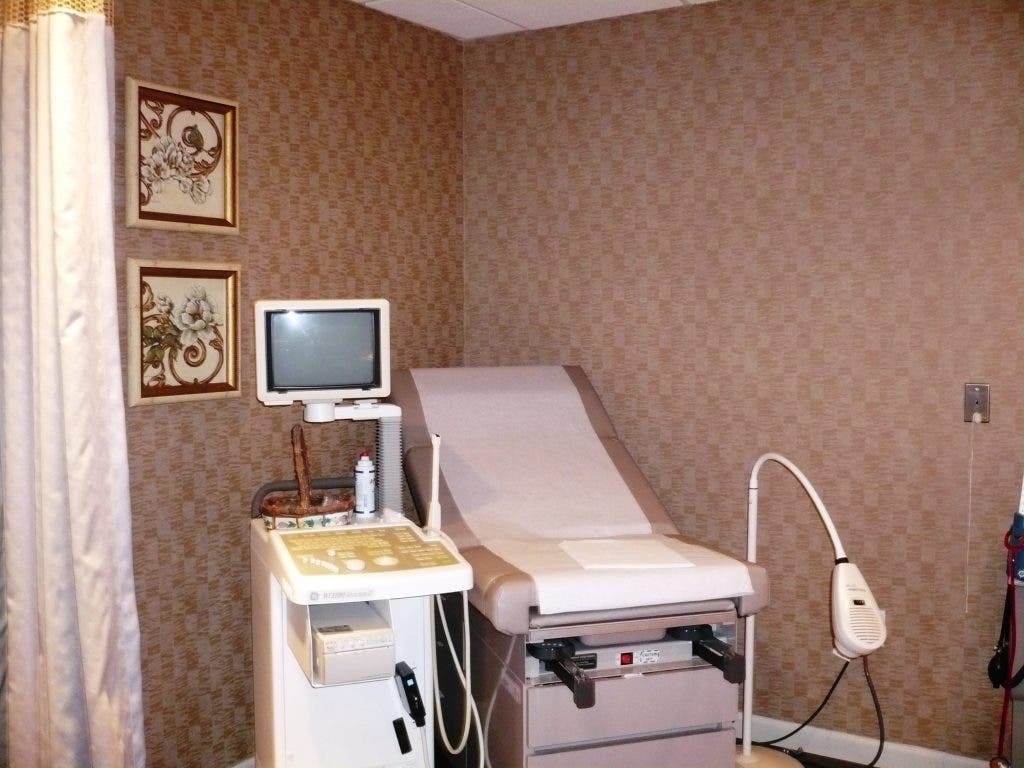


In 1991, Dr. Gad Lavy opened New England Fertility Institute with the goal of taking infertility treatment out of the hospital setting. Today, New England Fertility Institute has locations in Stamford, Hamden, and Shelton — with one set to open soon in Westport.
The Stamford location is far removed from your standard medical environment — the walls soothing earth tones, the sitting areas cozy and comforting, and the hallways closer to a spa than a medical office.
"It's a wellness center model, people are really trying to get away from that medical feeling," Marion Welch, medical coordinator at New England Fertility Institute told Patch. "It's a stressful time, people want to come in and feel as though they're well, they are well, they just need assisted reproductive technologies."
Find out what's happening in Stamfordfor free with the latest updates from Patch.
Franci Sheehan, a nurse practitioner, has been in the field for 20 years and at New England Fertility Institute for three.
"Twenty years ago, IVF was about 10 percent successful, now it’s around 40 percent,” Sheehan said. "There have been a lot of changes in [how we can treat] male factor infertility — we can often use their sperm now, before we had to use a donor."
Find out what's happening in Stamfordfor free with the latest updates from Patch.
Embryo freezing and third party reproduction are also areas that have changed dramatically in a very short period of time. New England Fertility Institute achieved the first frozen egg pregnancy in Connecticut in 2007.
“It’s still a very young specialty,” Welch said.
In keeping with its original goals, New England Fertility Institute has put many pieces under one roof, allowing patients to find initial consultations and testing, a surgical facility, IVF, andrology, and cryogenic labs, financial counseling, support groups and counseling, and alternative treatment options all in one place.
An estimated 20 percent of clients choose to add alternative therapies — acupuncture, nutrition plans, or yoga classes — to their plan.
They also house a private cryobank for embryos, eggs and sperm. A separate area serves as a private space for third party reproduction — couples using a gestational surrogate. Families typically stay with New England Fertility Institute until around eight weeks into their pregnancy, surrogates may stay until the ninth or tenth week of their pregnancy.
The Stamford location is also home to LifeLine, Connecticut's only cord blood bank. Connecticut is one of only 18 states where health care professionals are required to talk to women in their third trimester about their options surrounding cord blood.
“You only have this one chance, you can't go back and get more,” Welch said. "Cord blood is amazing, the stem cells can be grown into many other cells in the body."
Cord blood has been used to treat blood and immune disorders, but promising research shows it may be able to help treat diabetes, cerebral palsy, and heart disease. In the future, a public cord blood bank could provide families with an opportunity to donate their cord blood to the public bank where it could be used by matches or for research. A public cord blood bank would also benefit people of multi-ethnic backgrounds who often have a tougher time finding a match.
As they mark their 20th year, New England Fertility Institute will hold a celebration on May 29 at the . They will also be offering 20 percent off many services that aren't covered by insurance for the remainder of 2011, contact Marion Welch at mwelch@nefertility.com for more information.