Politics & Government
673K Nips Sold In Stratford Since October: State
The latest Connecticut nip bottle surcharge payments to municipalities have been announced.


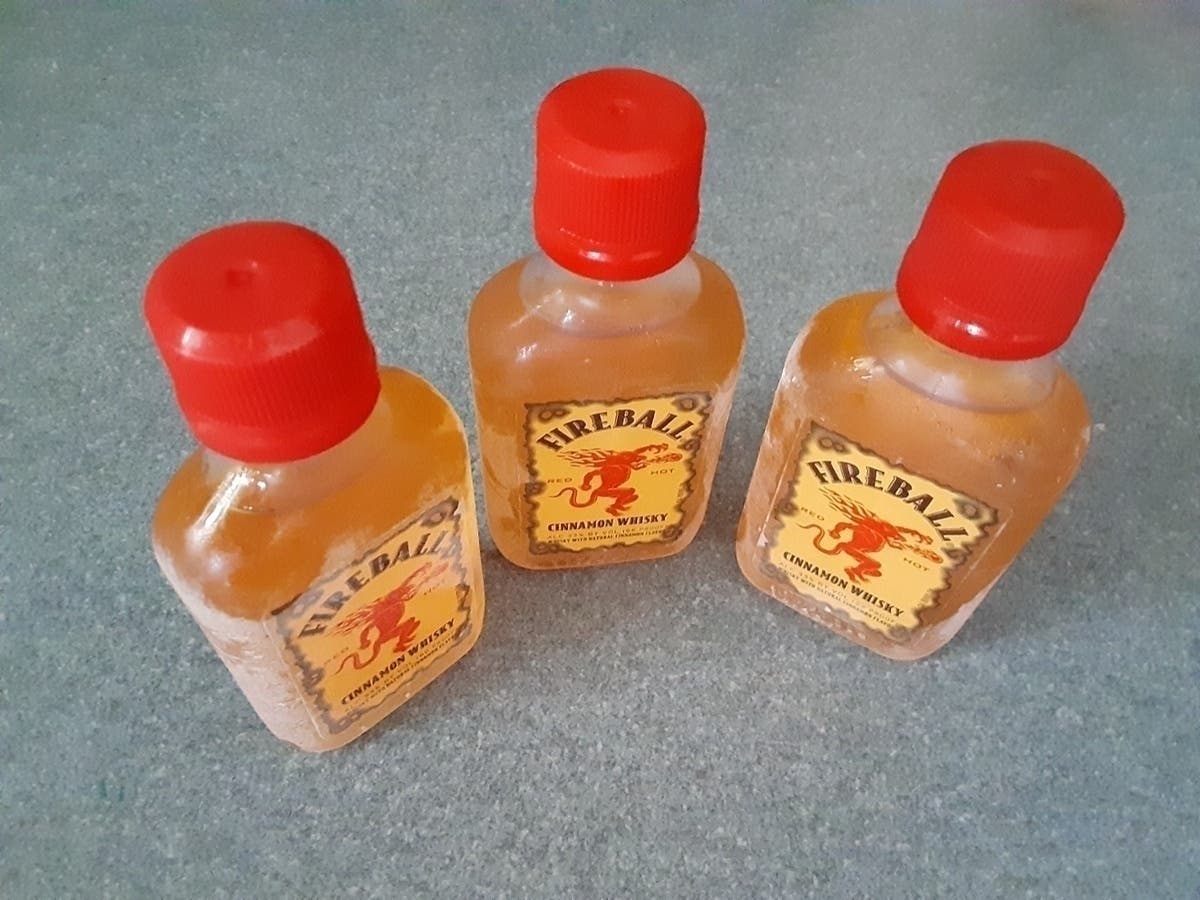
STRATFORD, CT — As they did in April and October 2022, Connecticut’s wine and spirits industry is distributing funds generated from the state’s “nickel-per-nip” environmental stewardship program to all Connecticut cities and towns where nips are sold.
Under the program, each municipality receives 5 cents for each nip sold within its borders every six months.
The money from this eco fee is intended for locally driven environmental stewardship programs.
Find out what's happening in Stratfordfor free with the latest updates from Patch.
Last week, checks amounting to $2.4 million were being sent to Connecticut municipalities representing nip sales from October 1, 2022, to March 31, 2023. During that time frame, 672,750 were sold in Stratford.
Stratford’s allocation for the current period is $33,637.50.
Find out what's happening in Stratfordfor free with the latest updates from Patch.
Overall, nip sales generated $95,459.55 for Stratford in the first year and a half of the program.
The program has generated $6.6 million overall for Connecticut cities and towns, according to officials.
“This $6 million program is making a big difference, and is performing beyond our expectations,” said Lawrence F. Cafero Jr., President and Treasurer of Three Tiers for Connecticut and Executive Director of Wine & Spirits Wholesalers of Connecticut, Inc. “This is our strongest six-month period yet, and we just delivered $2.4 million in eco fees into the hands of our cities and towns, many of which are using those dollars to keep their roadsides, waterways and public spaces litter-free.”
The legislation was originally proposed by Three Tiers for Connecticut and passed by the General Assembly in 2021. The program is designed to help cities and towns provide for the collection and proper disposal of 50 ml “nip” bottles.
Three Tiers for Connecticut is a not-for-profit 501(c)(3) organization representing all of the major wine and spirits wholesalers in Connecticut, as well as suppliers and retailers—thereby being representative of all three tiers of the alcohol beverage industry.
“Studies show that most litter from nips happens very close to where the containers are purchased,” Cafero said. “This is why when legislators came to us looking for a solution, we built an eco-fee program to keep it local—because we make sure that the fees collected in each town stay in that town, with no hidden handling charges or ‘sweeps’ of money into the general fund like other programs.
“In just 18 months, this local solution has become a national model.”
Cafero said many municipalities have been using the funding for a number of litter-reduction efforts. Some towns have used the funding to support recycling coordinator positions, while others have partnered with local non-profit organizations on litter cleanups.
Get more local news delivered straight to your inbox. Sign up for free Patch newsletters and alerts.


