Neighbor News
A Career in Phlebotomy - Path to a Rewarding Career in Allied Healthcare
Allied health employs close to 60% of the total workforce in healthcare and is expected to see a massive growth in employment opportunities.
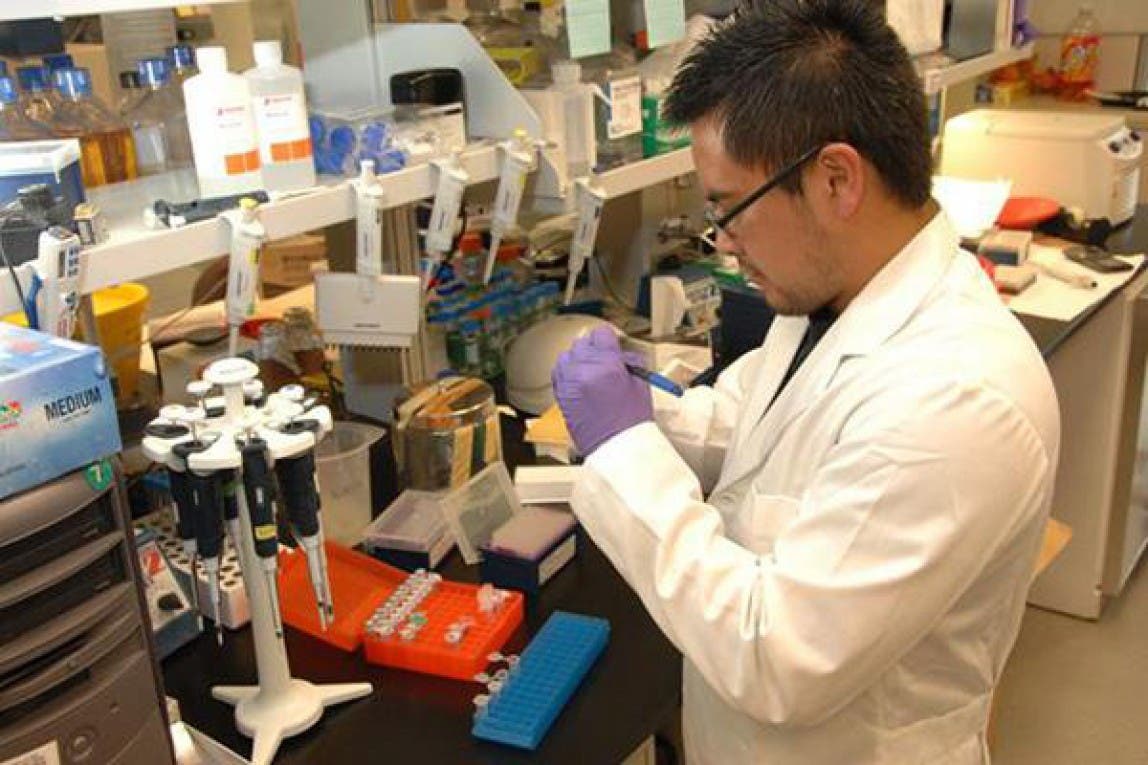
Allied health professions are the biggest job generators in healthcare. According to the Bureau of Labor Statistics the demand for healthcare professionals is expected to increase drastically. In fact the BLS predicts that a majority of the new jobs created in the time period 2012-2022 will be in the healthcare industry. 5 million new jobs will be generated in the field of healthcare and allied health, and this makes up about a third of the total number of 15.6 million new jobs expected.
Allied health employs close to 60% of the total workforce in healthcare and is expected to see a massive growth in employment opportunities in the coming years. If you are a fresh graduate or is someone mulling a career change, allied health is a smart option you need to consider.
There are many career options in allied health but there are some that are expected to see a huge surge in demand in the coming decade. Aging baby boomers, spread of lifestyle diseases and increased need for geriatric care has resulted in unprecedented strain on hospital resources and healthcare providers. Allied health professionals support and enhance the services provided by primary healthcare professionals and ensure the system functions smoothly and efficiently.
Find out what's happening in Stratfordfor free with the latest updates from Patch.
Phlebotomists have always played a critical and crucial role in healthcare delivery. 27,100 new phlebotomists will be required in the period from 2012-2022 and you can prepare yourself to rise up to this wonderful opportunity.
What Will Your Role Be as a Phlebotomist?
Find out what's happening in Stratfordfor free with the latest updates from Patch.
Phlebotomy is as an important function in medical care and phlebotomists are allied health professionals who perform the critical function of drawing blood from patients for testing, donation, research or surgical procedures.
As ancient Greek practitioners were well aware of, phlebotomy is both a science as well as an art. ‘Phlebo’ means pertaining to the vein and ‘tomy’ means making a surgical incision. Phlebotomy is the process of drawing blood from the body by making an incision in a vein using a needle. This process is called venipuncture.
Phlebotomists will have to do their job inflicting the least pain and discomfort to their subjects, and as quickly as possible. Locating the vein is not easy as it sounds and is more difficult in elderly patients and children.
Phlebotomists will have to draw blood into tubes which contain additives that vary according to different types of tests. Proper precautions will have to be taken to see that the blood does not get contaminated, and is stored and transported safely.
Phlebotomists need to have a thorough understanding of human anatomy and medical terminology. They have to accurately read prescriptions from physicians and conduct recommended tests. Phlebotomists are in charge of everything in their work locations and have to ensure that the tubes and vials containing blood samples are labelled and named correctly. Any discrepancy on this front will lead to wrongful diagnosis and incorrect treatment procedures. This can also lead to lawsuits and other grave consequences.
You may get the impression that a phlebotomist only deals with collecting blood, but that is not the case. He or she will also collect other bodily fluid specimens including urine, sputum and stool, and therefore it is important that you are not squeamish and are comfortable with all aspects of the job.
As a phlebotomist you will be working under the supervision of a medical laboratory scientist or a licensed physician. You also need to be capable of working independently and should be self-disciplined. You will have to strictly follow the prescribed and established set of medical protocols so that every patient receives the best care possible.
What Is the Training Requirements to Be a Phlebotomist?
The best part about a career in phlebotomy is that you can enter workforce with as less as a few months of training. This is a dream come true for medical career aspirants who cannot invest time and money in a medical school.
Phlebotomy technician programs are offered in community colleges, vocational institutes, private colleges and technical schools. Several reputed and accredited institutions in Connecticut offer training courses that cater to the growing demand in the state. In fact, Connecticut has one of the highest average salaries for phlebotomists at around $33,500 per annum.
Phlebotomy technician training programs are only a few months in duration and you have the freedom to start your career immediately after school.
In the program you will be taught about basic human anatomy, infectious diseases and their prevention, best practices for venipuncture and capillary, collection techniques, storage and transport methods of specimens, use of equipment, legal and ethical implications, and possible complications from phlebotomy.
You can enroll for technician programs that are a few months in duration or opt for associate degrees that take a couple of years or more. Certification is not mandatory in Connecticut but is preferred by most employers. It guarantees the candidate is formally trained and qualified, and does not require extensive on-the-job training. With tightly packed schedules, practices generally prefer to employ a phlebotomist who can contribute to the team right away.
The state of Connecticut recognizes certifications from American Society of Phlebotomy Technicians, National Center for Competency Testing and National Phlebotomy Association. You can take the certification exam after successfully completing your course from an accredited institute.
What Is the Work Environment Like?
The healthcare industry is a demanding employer and requires you to keep pace with it. There will be days when you have to stick (draw blood from) 50 patients or more. You will need to keep calm and treat each patient with the care and consideration they deserve.
You might feel stressed out and tired, but as with every healthcare professional, you cannot let it affect your work. In due course of time you will get used to the demands of your job and will start enjoying your role in patient care.
You will have to calm down worried and scared patients and carry out the procedure efficiently. With experience you will soon be a pro in taking blood!
Phlebotomy allows you to enter the much sought after field of healthcare without spending many years in college. You enjoy the perks and benefits and social respect that employment in medical field brings, and at the same time have a career that is less stressful than typical healthcare careers.
Conclusion
If you have the passion to serve others and are flexible and willing to put in the required efforts, a career in phlebotomy can be very rewarding, both professionally and financially. So do check out the courses on offer in Connecticut and make a smart choice right away.
(Image Credit: wikimedia)