Schools
Forester: Trees and Education Could Grow Together
UConn extension service forester has secured grant to incorporate woodlands behind Haddam Elementary School into curriculum
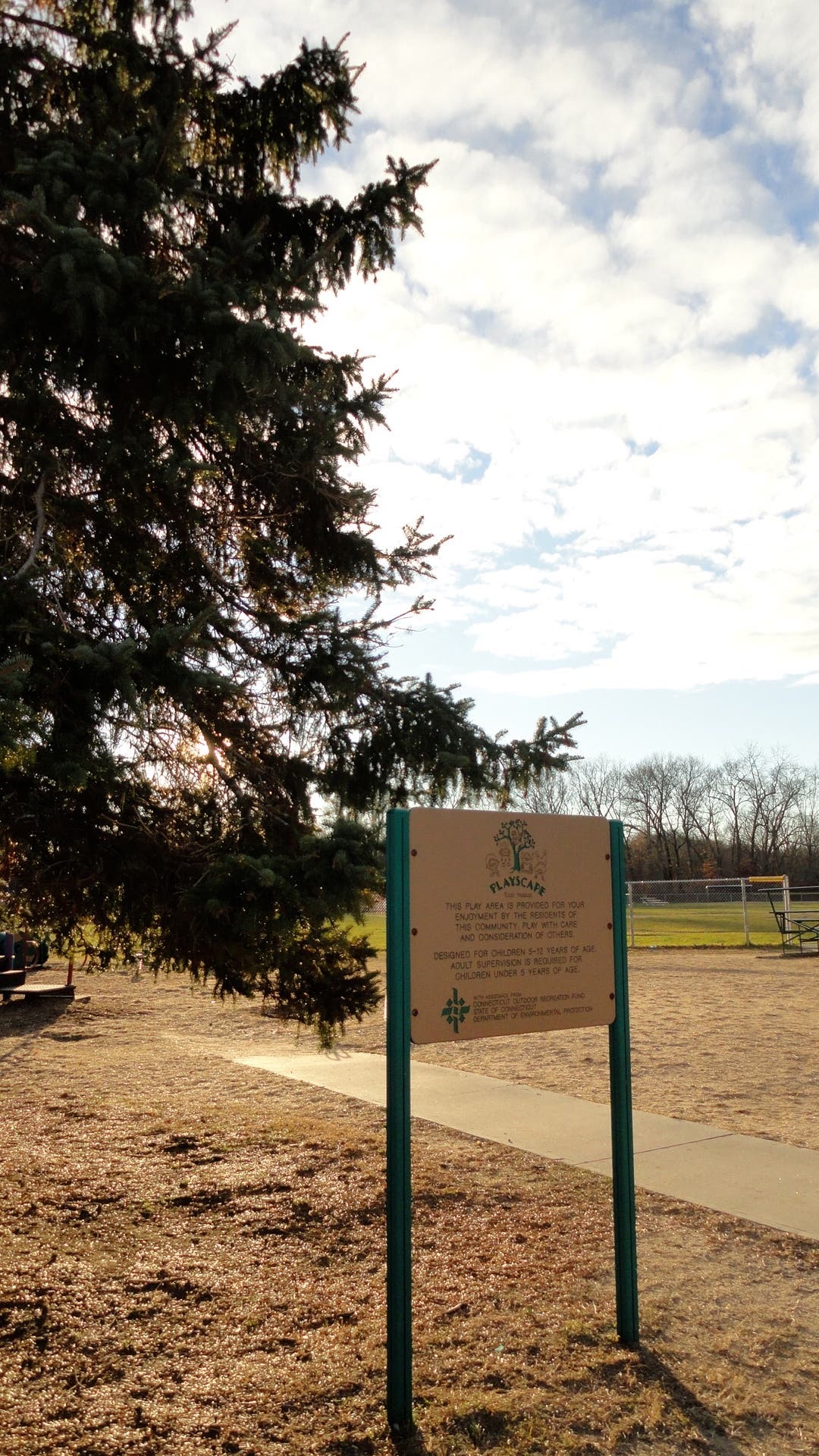

Where most see a sprawling expanse of Black Oak, Hickory and Pitch Pine, Thomas Worthley – a Stewardship Program Forester at UConn – sees 150 acres of unutilized classroom space.
Taking the initiative, this week Worthley presented his plan to the Region 17 School District’s Board of Education to use a portion of the 150 acres of forestland located behind the Haddam Elementary School to create a management plan for the forest that could be used for educational and conservation purposes.
Using grant money he has secured from the state, Worthley has offered to work with the school district to create a management plan for a portion of the forest to be thinned out to promote healthier trees where needed and more species and age diversity as well.
Find out what's happening in The Haddams-Killingworthfor free with the latest updates from Patch.
The school district could then use the area for education programs in the community and have a supply of homegrown wood that could be incorporated into lesson plans or other school related activities.
The program would be very similar to the way UConn has managed to incorporate 120 acres of woodland near its campus into its curriculum and community.
Find out what's happening in The Haddams-Killingworthfor free with the latest updates from Patch.
“The whole idea is to raise community awareness about the forest,” explained Worthley who presented his idea to the board at their March 15 meeting at Haddam-Killingworth Middle School.
The professional forester has already surveyed the area and found a wide variety of trees including white, red, black, scarlet and chestnut oaks. Worthley also discovered Black Birch, Red Maple, Beech trees, Aspen and different varieties of pines.
“We have about 315 trees per acre,” Worthley explained to the board Tuesday. He took core samples and charted the different types of trees.
Worthley says he found that the volume of trees could be reduced to create healthier trees. There is also the possibility of making the species more diverse.
What direction to go would be up to the district. He recommended that the board create a committee which he would work with to create a management plan and to organize any future events or educational opportunities.
Members of the Board of Education were receptive to the idea.
“I think it sounds really exciting,” explained Chairwoman Amy Jacques-Purdy. “It has a lot of potential.”
Any tree cutting or clearing would be performed by Worthley and his workers from UConn who are trained and insured by the university.
“I love this idea,” remarked Robin Chasse after hearing the presentation.
Jacques-Purdy explained that the next step will be to see what members from the board and the local community are interested in serving on the committee and to move on from there.