Schools
SEPTA Long Overdue in East Haddam
The Special Education Parent Teacher Association starts a local chapter.
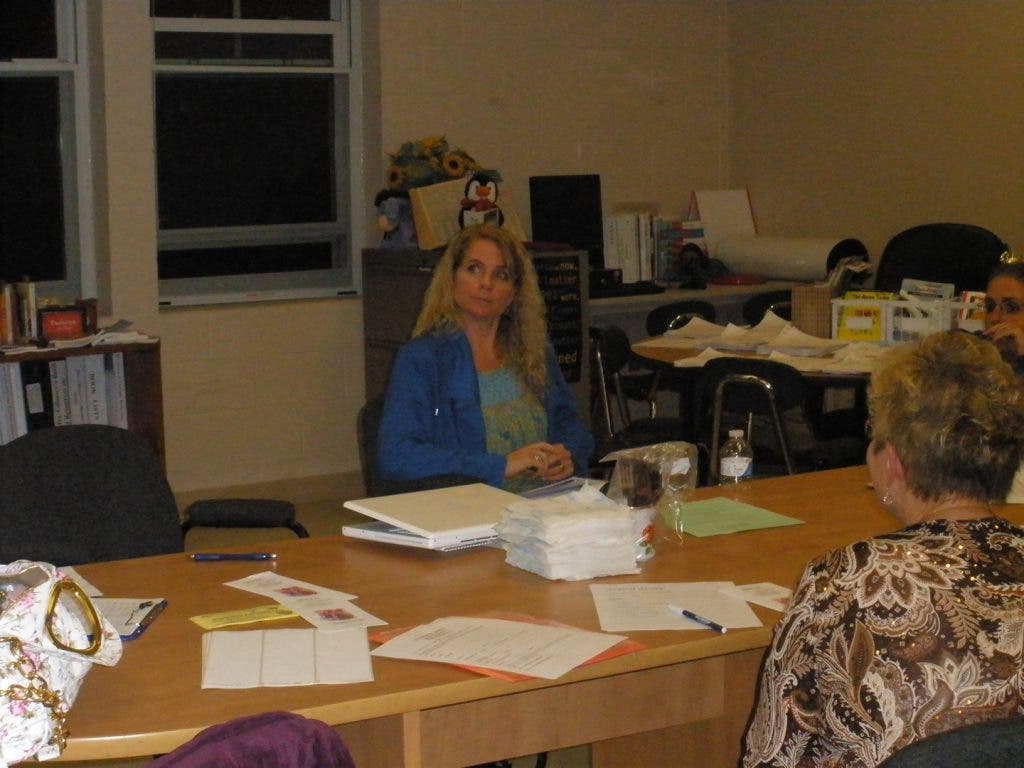


The local chapter of the Special Education Parent Teacher Association (SEPTA) held its first meeting in Moodus earlier this week. Parents and teachers of special needs children came to learn what they can do to help their children in school.
Parents who attended the meeting said they were pleased to be having their first meeting with Melissa Johnson, the chairperson of SEPTA.
“SEPTA is about helping parents become better advocates” for their children, Johnson said.
Find out what's happening in The Haddams-Killingworthfor free with the latest updates from Patch.
SEPTA is an off-shoot of the national Parent Teacher Association. Unfortunately, only 15 states have SEPTA’s. Though Connecticut's chapter of the group has been around for 20 years, many parents locally had not heard of it before this meeting.
The gathering on Wednesday night came about because Susan Waide, a parent with a special needs child, decided it was time for her town to have a SEPTA. She found out about the organization and took action.
Find out what's happening in The Haddams-Killingworthfor free with the latest updates from Patch.
“I thought, ‘that’s a good idea, we should have one for our school,’ ” Waide said. She said she wishes she had known about the group when her child was younger.
"I don’t want parents to go through what I had to go through.”
Waide emailed the national PTA and got in touch with Johnson. Johnson asked when she wanted the first meeting and Waide said “as soon as possible.” Only two weeks went by until Wednesday’s meeting.
SEPTA sponsors workshops for parents with topics about special education. The workshops bring parents together to create a dialogue between them. They can discuss their own experiences, good and bad, and how to make their kids experiences better. They also help the community and school board better understand special needs children by advocating for their kid’s rights.
Johnson discussed the importance of better planning in classrooms for activities for special needs children. For example, a bowling party with quieter music and no strobe lights or disco balls to distract the kids, Johnson said.
Johnson started a SEPTA in her own town because of her own children’s special needs. She was frustrated because her children had trouble joining in on many of the normal school activities and field trips.
“I thought, my kids are not going to all these activities and it doesn’t make sense to me,” Johnson said.
Susan Wrinn, a parent who is involved in the Special Olympics, conveyed how happy she was with the work she did with that group and the benefits it had on her and her children. That was why, Wrinn said, that she wants to join SEPTA.
“You start finding peers that your children can relate to,” Wrinn said. This is important to her because, “the older my daughter gets the more I want her moving.”
Another topic parents discussed was concerns they have over what would happen to some of their children as they get older. Some of their children, they said, may not ever be able to leave home.
Johnson had a helpful suggestion to these parents called Life Mapping. This is something Johnson did for her children when they were young. Life Mapping helps parents figure out where a special needs child will go when they get older.
“Do you see them having a wife, a family…will they work?” Johnson said these were the questions she had to figure out.
Parents expressed frustrations with schools that they feel do not do a good enough job helping their kids. Some teachers, they said, did not even know that their children were special needs students.
Also, trying to transition their children from one school to another is tough, they said. It's hard for parents to set up meetings ahead of time with teachers and to discuss their children's needs with teachers before their children start school.
The meeting gave parents the chance to discuss all these issues and more, from the daily life of children and parents to what it's like taking vacations with their children. Parents expressed that more needs to be done between parents and teachers, to help better address the needs of special education students.
“It makes the school experience better for all kids,” Wrinn said.