Politics & Government
Tolland Taking 'Step Forward' In Combating Salt Effects On Wells
The town council made it official at its Tuesday meeting by allowing administrators to hire a consultant.


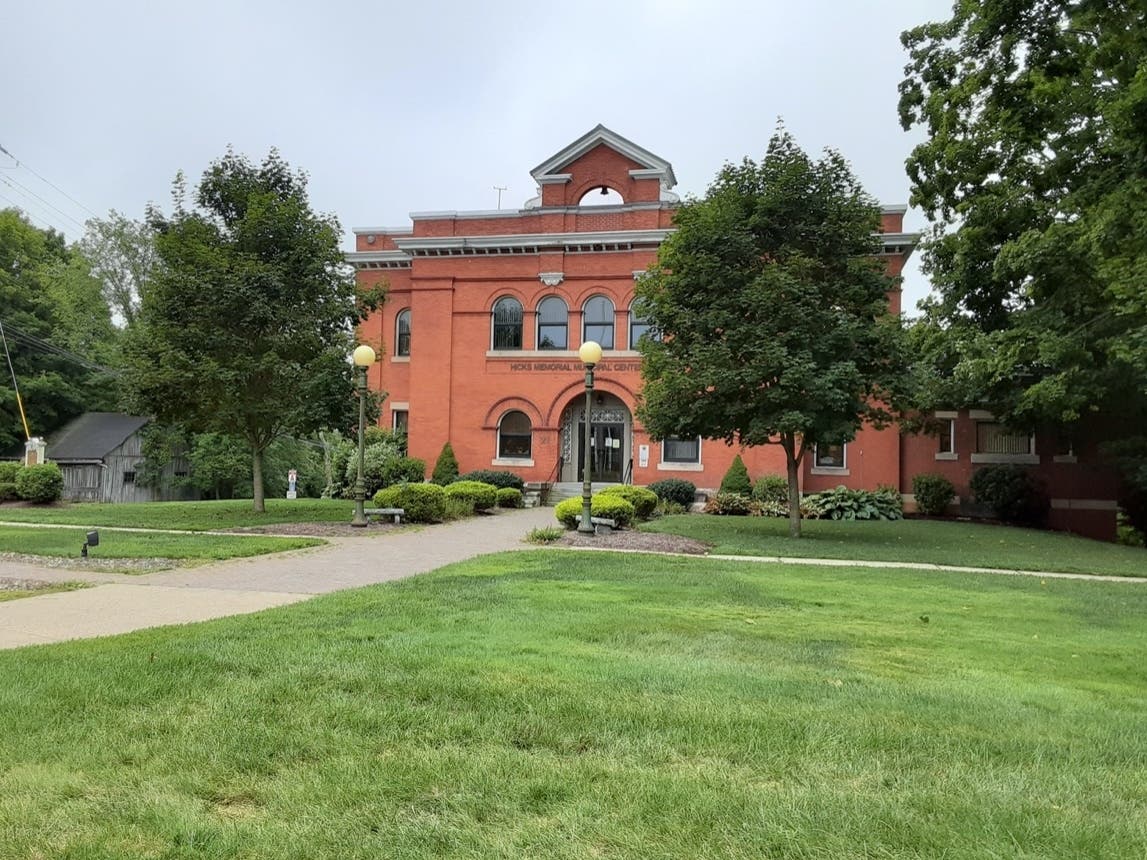
TOLLAND, CT — Tolland officials are embarking on what they call "the first step" toward a major study of the interaction of salt with local wells.
The town council made it official at its Tuesday meeting by allowing Town Manager Brian Foley to hire a consultant.
At the meeting, Foley told the council that he met with representatives from the state Department of Energy and Environmental Protection, which has been assisting with well systems in town in regard to salt. In August, the DEEP proposed that the town hire a consultant and the town attorney began discussions with environmental investigations professionals, Foley said.
Find out what's happening in Tollandfor free with the latest updates from Patch.
A consultant will be paid for via the town's environmental and testing projects account. The consultant would review existing data and compile suggestions for "moving forward" with remediation possibilities in what Foley said would be "a high-level summary report."
"This is a step forward," Foley said Thursday.
Find out what's happening in Tollandfor free with the latest updates from Patch.
A report could be delivered about three weeks after a consultant is hired, Foley said.
Foley said the report might be able to determine the scope of residential well damage in town, but added that would likely need "a much more scientific study."
Foley said the DEEP has "backed out" of the matter, per policy, and a consultant would need to be on board within the next two months.
"An expert in the field needs to be retained to provide a compass on how to move forward," Foley said.
The council authorized the Tolland town attorney to enter into an agreement with Langan Engineering and Environmental Services Inc.
Meanwhile, the town has implemented procedures to make sure excess salt does not enter local runoff systems that could affect wells.
They include:
- On an annual basis, the Tolland Department of Public Works re-calibrates its spreading equipment to ensure that the proper application rate is consistent with the municipal snow clearing plan.
- Electronic systems in each vehicle tie together the ground speed of the truck with the speed of the auger and spinner to achieve the desired rate of materials.
- A Load Rite system is being employed to weigh the amount of material being loaded onto each truck and store that information on-board for each storm. Once the storm has ended, any leftover materials are dumped out and re-weighed so that a total amount of material used per route can be recored for reporting purposes.
- The DPW applies treated salt at a rate of approximately 450 pounds per center lane mile. Town crews experimented with applying it at a lower rate of approximately 400 pounds per lane mile, but the results left crews with having to reapply in many areas, Foley said.
- A 7-2 ratio of sand-to-salt is used on the town's unimproved roads.
- The Tolland DPW follows the "best management practices" provided by the DEEP.
Foley said the treatment Tolland uses is called ClearLane, which is a pre-mixed salt product treated with a patented liquid magnesium chloride, designed to scatter less, thus giving users more product where it is needed, less bounce off
to areas where de-icing is not needed. ClearLane is designed to be 84 percent less corrosive than regular rock salt.
Foley said the Tolland DPW has been aggressively cleaning the sewer drains and vacuuming the basins, which collect
material with a high sodium content.
He said one discovery was that the storm drains in the Vineyards had never been cleaned until this year.
Get more local news delivered straight to your inbox. Sign up for free Patch newsletters and alerts.