Neighbor News
Caregiver Burnout: Signs, Prevention and Risk Reduction
If the caregiver fails to take care of their own health, then they won't be any good to the person they are caring for.
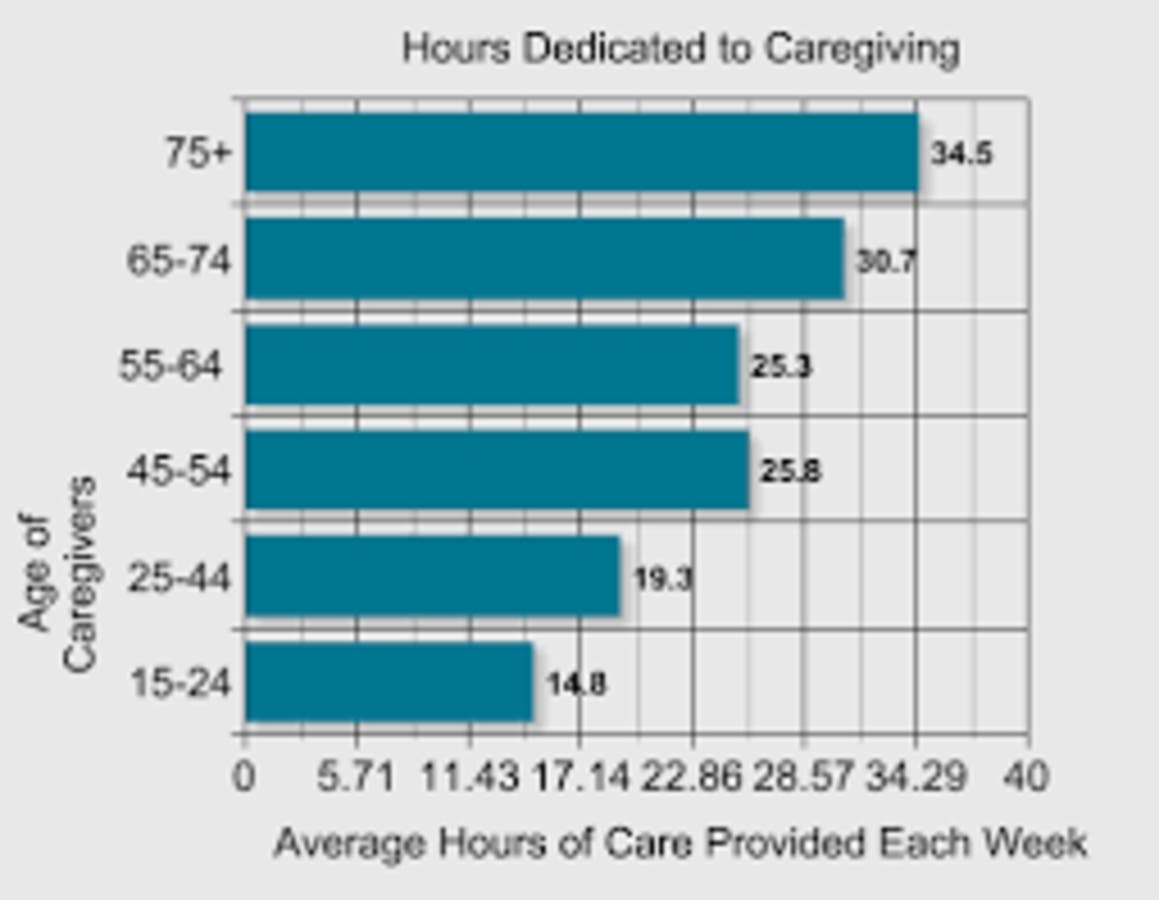

ACCORDING TO THE CAREGIVING IN THE U.S. REPORT, more than 43.5 million people in North America report caring for a family member on a routine basis. When you add the number of professional caregivers into that mix, you are looking at over 70 million caregivers.
Whether you are a family member or a professional, caregiving can be a very rewarding experience – but as with all experiences, there can be high and low points. The potential for caregiver burnout can be one of those low points.
This is especially true when you consider that 4 in 10 caregivers in the U.S. have identified themselves as being in high burden caregiving situations, according the Caregiving in the U.S. Report. The report also found that 9 in 10 caregivers provide over 21 hours of care per week. On average, this care lasts for a duration of 4 years. In situations such as this, families are increasingly challenged with finding a balance between their caregiving role and a life outside of those responsibilities. As a result, the risk for potential stress, burnout and health issues increase significantly.
Find out what's happening in Trumbullfor free with the latest updates from Patch.
The Caregiving in the U.S. Report also found that more family caregivers are taking on complex caregiving tasks. About 46% of caregivers handle medical or nursing tasks for the care recipient and 57% of those indicate there is little choice as to whether or not they handle the tasks. The little choice is due to either a lack of insurance coverage for outside assistance or there is no one else available to assist. Of that same group of individuals, 96% of them also report assisting with all activities of daily living (ADLs).
Along with these complex caregiving duties, caregivers also report holding significant decision-making authority over monitoring the condition and communicating with healthcare professionals. These types of decisions and responsibilities can be stressful for family members for a lot of reasons, but especially if they have no medical background or prior caregiving experience.
Find out what's happening in Trumbullfor free with the latest updates from Patch.
Caregiving primarily becomes a family responsibility but for many families the responsibility often falls to one individual. According to a recent study conducted by the Home Instead Senior Care® network, 31% of family caregivers admit they’d like more help, and 25% actually resent other family members who don’t help out more. The stress gets worse if the caregiver has other important and pressing responsibilities, such as a job, children to care for, a busy social life or some distance to travel to reach the care recipient.
Whether or not the individual is the sole caregiver, it’s important to avoid burnout and stress. If the caregiver fails to take care of their own health, then they won’t be any good to the person they are caring for.
How do you know if someone is suffering from caregiver burnout? The following are some of the common signs:
• Disturbed sleep
• Anxiety
• Depression
• Increased irritability
• Feeling isolated
• Feeling out of control
• Back, shoulder or neck pain
• Headaches
• Increased use of alcohol or drugs
• Stomach and digestive problems
• Weight gain or loss
• Loss of hair
• Fatigue
• High blood pressure
• Irregular heart beat and/or palpitations
• Chest pain
• Perspiration
• Skin disorders such as hives, eczema, psoriasis, tics, or itching
• Periodontal disease
• Jaw pain
• Weakened immune system suppression
“I keep trying to help mom on my own. I think I’m doing a good job and I don’t want to burden anyone else with this, but seriously, there are times when I could really use some help…”
One of the best ways to avoid becoming overstressed is to enlist the help of other family members and friends. Caregivers should do so without feeling bad or guilty for reaching out. When family members are in these situations it may be difficult for them to ask for help. The following are suggestions to get other family members or close friends involved:
Divide up the tasks. Have a specific family member who handles the medical aspects of the care (talks with doctors, medication information, etc.), while another may be responsible for groceries/meals and another handles paying the bills. By dividing up the tasks, each person becomes more involved with the details of these tasks and can keep each other abreast of changes, issues, problems, etc.
Make sure to converse with other family members about the care recipient. If the caregiver fails to express their concerns (e.g., debilitating health, amount of time they spend caregiving, etc.), they can’t expect other family members to know what they are thinking and feeling.
Don’t be a control freak. If the caregiver wants to control every aspect of the care, other family members may be less apt to step in, thinking they have it all under control.
Look outside of the family. If the caregiver doesn’t have other family members to help out, suggest they join a local caregiver support group or involve outside friends, church members or professional caregivers to share the duties.
In addition to asking for help, it is important to make sure the caregiver takes time to care for themselves. The following are additional tips for avoiding caregiver burnout:
Work out: Exercise and enjoy something (like walking, dancing, biking, running, swimming, etc.) for a minimum of 20 minutes at least three times per week. Consider stress-management exercises such as yoga or tai-chi, which teach inner balance and relaxation.
Meditate: Sit still and breathe deeply to quiet the mind as much as possible when feeling like things are moving too quickly or feeling overwhelmed by their responsibilities as a caregiver.
Take a break: Make arrangements for any necessary fill-in help (family, friends, volunteers or professional caregivers). Take single days or even a week’s vacation. And when away from the caregiving role, make sure to stay away. Read that book, take naps, gather with friends, whatever is relaxing and brings happiness.
Eat well: Eat plenty of fresh fruits, vegetables, proteins, including nuts and beans, and whole grains. Remember that indulging in caffeine, fast food and sugar as quick “pick-me-ups” also produce a quick “let-down.”
Keep your medical appointments: Make sure to get an annual check-up. Being a caregiver provides many excuses for skipping your necessary check-ups, but don’t do it. A healthy caregiver is worth more to the care recipient than a sick, weak caregiver.
Indulge: Enjoy a foot massage, manicure, nice dinner out or a concert to get away from the situation and celebrate the wonderful care that is being provided. Don’t feel guilty about wanting to feel good.
Support: Find a local caregiver support group. They will help normalize caregiving feelings and experiences. This is a place to get practical advice from people who are in similar situations and to bounce off those feelings of stress, since everyone is likely to be in the same situation and can empathize.
Medical professionals constantly deal with people who are suffering from burnout from either their own medical condition or that of a loved one. It is important to remember your role is not as a therapist but as a support to the patient and family as they move through the experience. What can be done for patient’s families who appear to be suffering from burnout? Stay involved and support your patient’s families as you watch for the signs of burnout. Frequent check-ins can help give insight into what is happening in the home and if an intervention is necessary to keep the caregiver healthy and able to care for their loved one. Once you have identified potential issues it is time to act with a few simple questions and suggestions:
• Do they qualify for respite care? Can you assist them in getting respite assistance? (For dementia respite consider Hilarity for Charity)
• Can another family member support them and allow a break to the main caregiver?
• Is the patient progressing to the point that the caregiver needs more assistance in the home?
• Are they at the correct level of care?
• Encourage the caregiver to complete a Caregiver Self Assessment
• Encourage support groups
• Encourage utilizing resources, such as the videos and companion workbook on caregiverstress.com
For more tips and resources for managing the burdens of caregiving please visit: caregiverstress.com.
Lakelyn Hogan, MA, MBA is employed as a Gerontologist for Home Instead Senior Care. LaNita Knoke, RN, BS, CMCN is employed as a Healthcare Strategist for Home Instead Senior Care.