Community Corner
2 Graves In Vernon Define Juneteenth, Civil War Era Black Troops
Monday is the Juneteenth holiday in Connecticut.


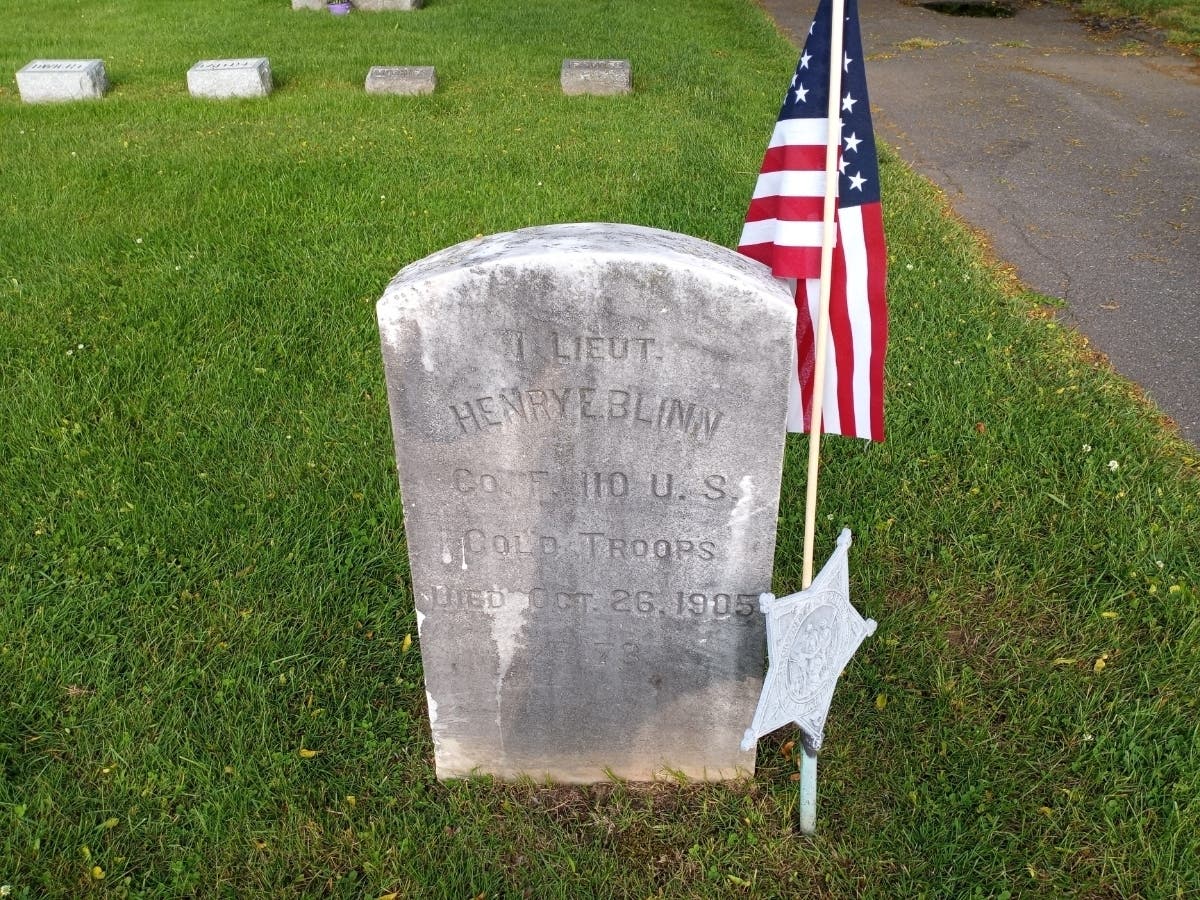
VERNON, CT — Two graves in Vernon's Elmwood Cemetery define the Juneteenth holiday because they are the final resting places of two soldiers from Black Civil War Era regiments.
How they ended up in Vernon seems to be a mystery, even for those at the New England Civil War Museum and Research Center at a preserved Grand Army of the Republic meeting room at town hall.
But they are there — Henry E. Blinn, who served in Company F of the 110th U.S. Colored Regiment and Benjamin W. Cross, who served in the 125th U.S. Colored Infantry.
Find out what's happening in Vernonfor free with the latest updates from Patch.
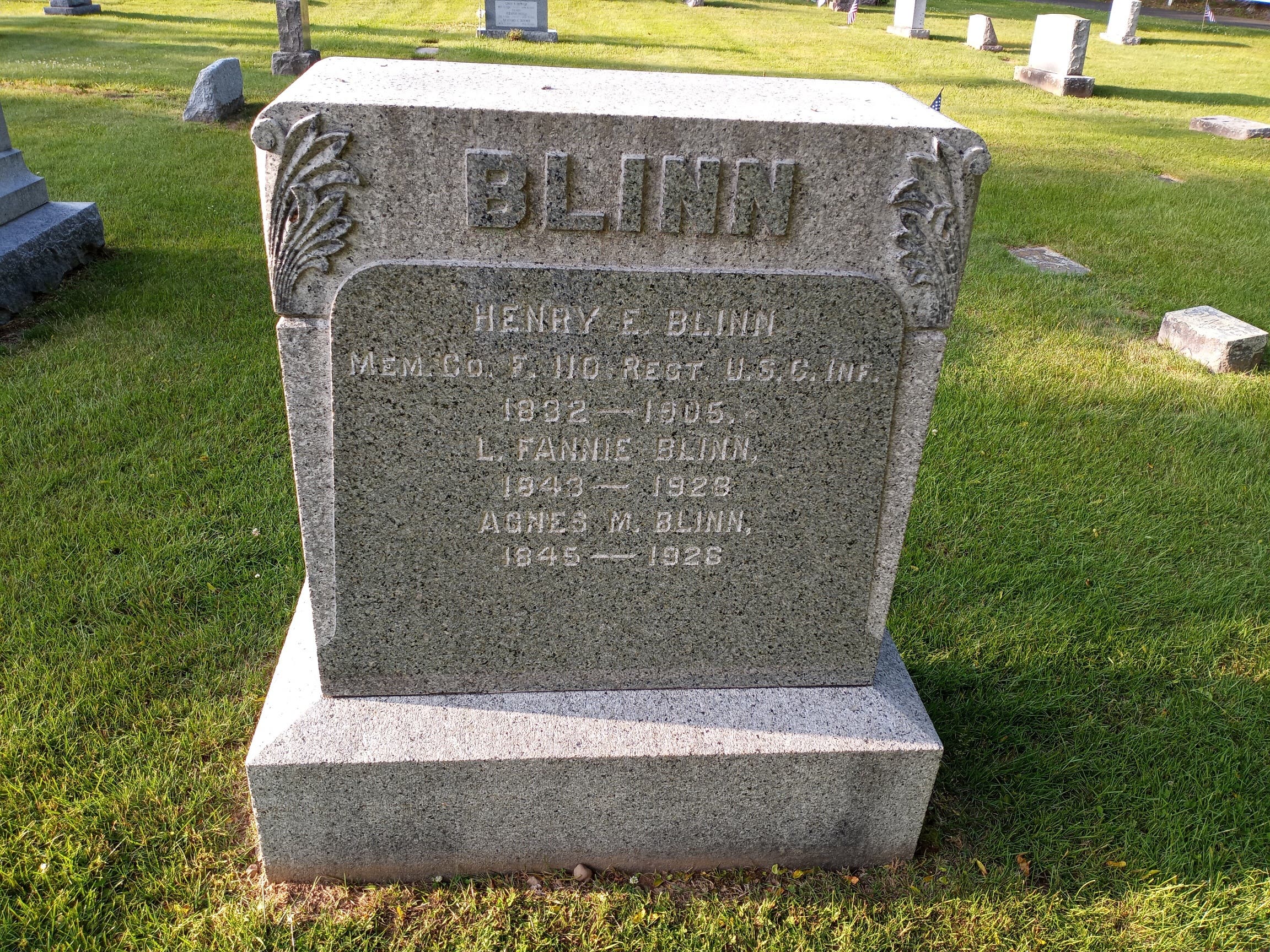
Blinn was born in 1832 and lived until 1905. According to the National Park Service, The 110th was Organized June 25, 1864, from the 2nd Alabama Colored Infantry and was attached to District of North Alabama, Department of the Cumberland, until 1865.
Blinn's unit was assigned to the defenses of the Nashville & Northwestern Railroad to March, 1865. It was also part of the Department of the Tennessee until 1866.
Find out what's happening in Vernonfor free with the latest updates from Patch.
In 1864, the 110th was involved in Nathan Bedford Forest's attack on Athens, AL, on Sept. 23 and 24. Forest went on to become the first grand wizard of the Ku Klux Klan's, though he later called for the organization to be disbanded, according to the Library of Congress.
The 110th was mustered out February 6, 1866.
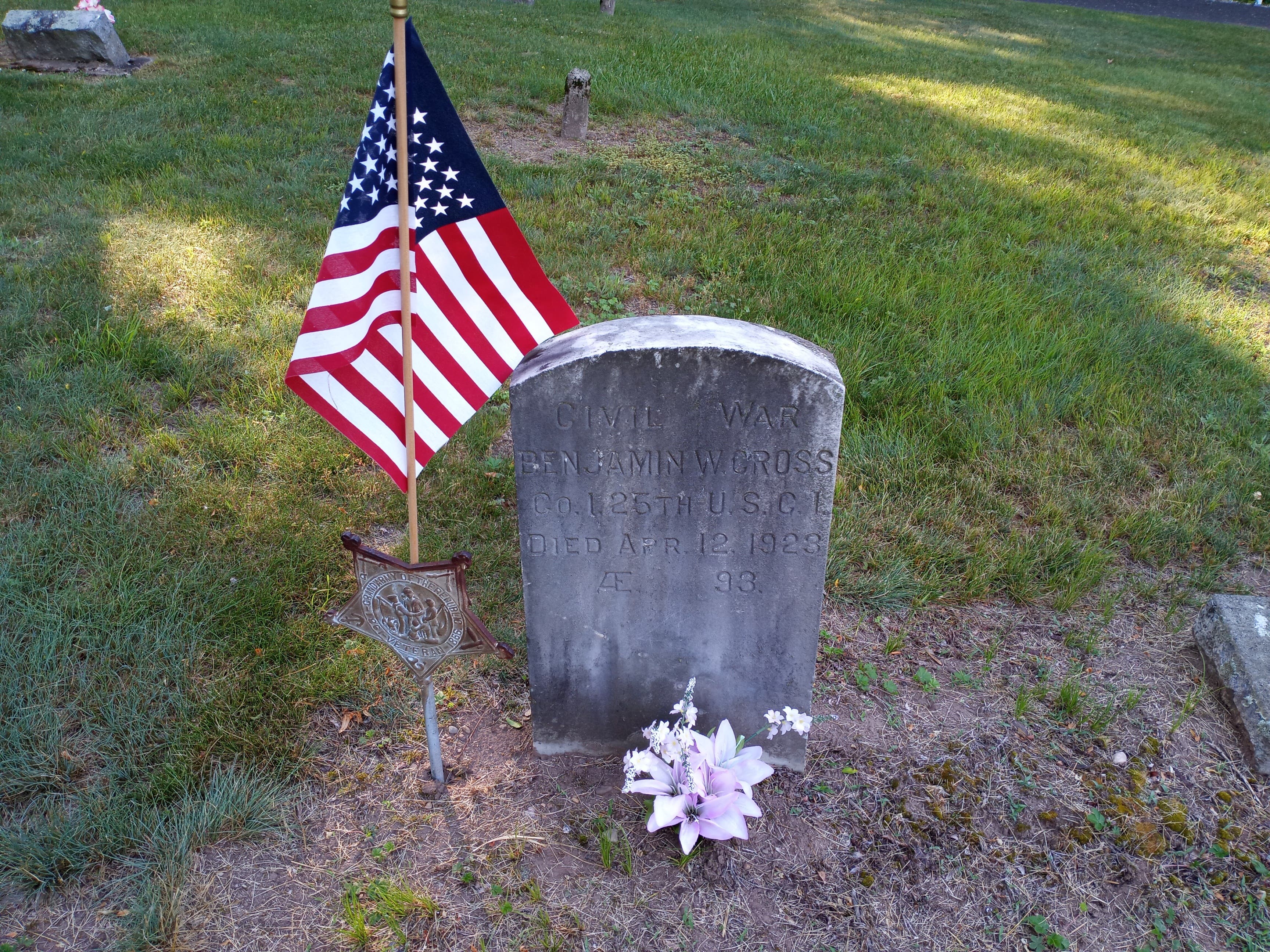
Cross lived until April 12, 1928.
The 125th came on late in the conflict and its aftermath. According to the Library of Congress, it was organized at Louisville, KY, on Feb. 12, 1865. It pulled garrison and guard duty at Louisville, and at other points in the Department of Kentucky. It was mustered out on Dec. 20, 1867.
Juneteenth marks the day of the oldest known celebration of the end of slavery in the United States.
On June 19, 1865, Union Gen. Gordon Granger arrived in Galveston, Texas, to inform enslaved African Americans that the Civil War was over and slavery had been abolished. That information arrived in Texas a full two and a half years after the enactment of the Emancipation Proclamation.
According to the Library of Congress, In 1862, President Lincoln's Emancipation Proclamation opened the door for African Americans to enlist in the Union Army. Although many had wanted to join the war effort earlier, they were prohibited from enlisting by a federal law dating back to 1792.
In spite of many hardships like a pay discrepancy, Black soldiers served the Union Army well and distinguished themselves in many battles, according to the Library of Congress. Of their service to the nation Frederick Douglass said, "Once let the black man get upon his person the brass letters U.S., let him get an eagle on his button, and a musket on his shoulder and bullets in his pockets, and there is no power on earth which can deny that he has earned the right of citizenship in the United States." African-American soldiers comprised about 10 percent of the Union Army. It is estimated that one-third of all African Americans who enlisted lost their lives.
Get more local news delivered straight to your inbox. Sign up for free Patch newsletters and alerts.