Politics & Government
Courtney: Fed Farm Bill Bolsters Hemp, Food Banks In Eastern CT
When it comes to the 2018 congressional farm bill, U.S. Rep. Joe Courtney says it's about food banks and hemp.


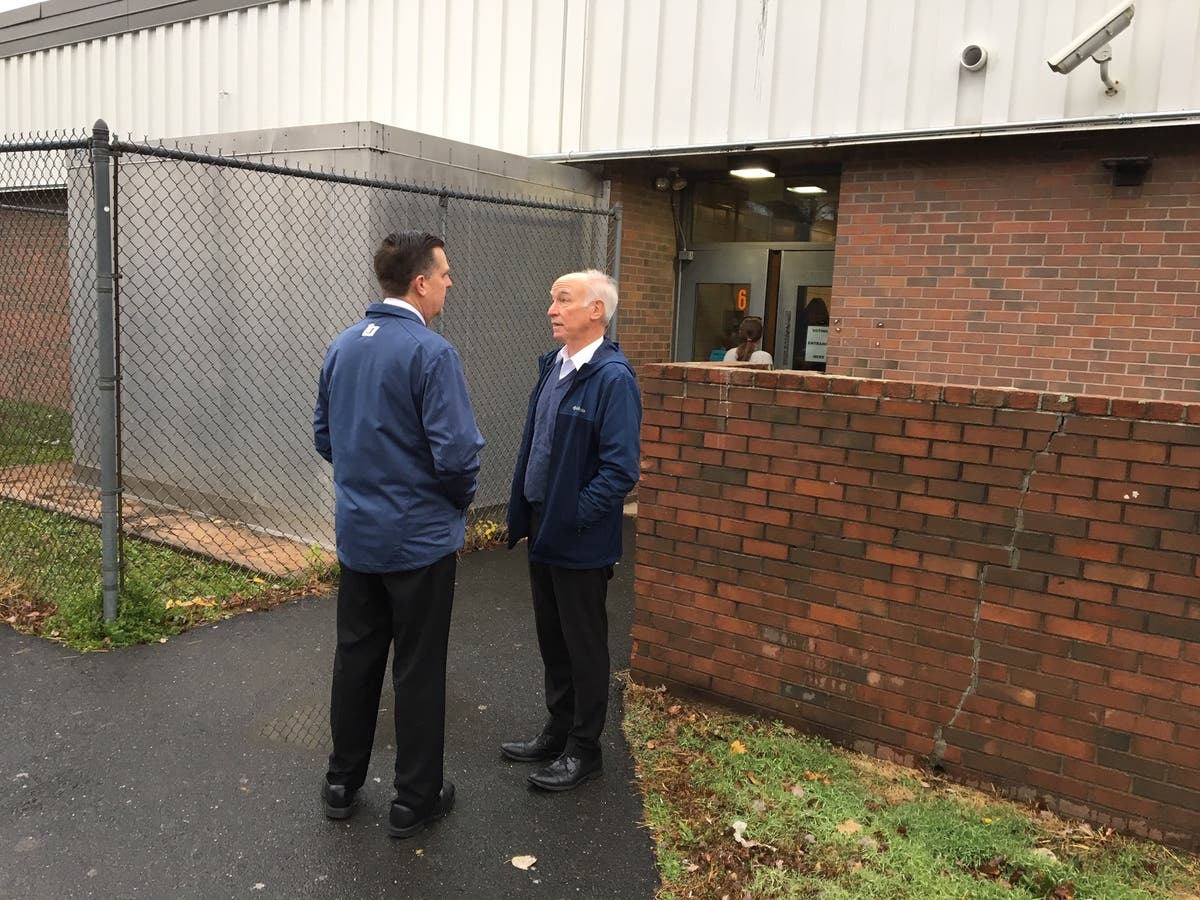
VERNON, CT — When it comes to the 2018 congressional farm bill, U.S. Rep. Joe Courtney says it's about food banks and hemp growing in the eastern portion of the state.
Courtney a Vernon resident and Democrat who represents Connecticut's 2nd District, voted in support of the Agriculture Improvements Act of 2018—a five-year authorization of agriculture commodity and nutrition programs that the House passed on Thursday by a vote of 369-47.
The Farm Bill will now head to the President’s desk for signature.
Find out what's happening in Vernonfor free with the latest updates from Patch.
"The passage of this bill is welcome news throughout eastern Connecticut. This farm bill agreement includes many important provisions aimed at providing support and a level playing field for established crops and farm commodities in our region, while breaking down barriers to developing others," Courtney said. "One of the most existing areas of opportunity in this measure is the expansion of industrial hemp production, which I have long seen as a tremendous opportunity to grow our agricultural sector in Connecticut.
"As important, this bill maintains the status quo for nutrition assistance programs that faced deep cuts in the initial House version, prioritizes substance abuse recovery programs within the Rural Development title, and expands land conservation programs. Together, this is a good package for eastern Connecticut."
Find out what's happening in Vernonfor free with the latest updates from Patch.
Courtney said the 2018 Farm Bill legalizes industrial hemp production in the United States, which will "kickstart a new wave of agriculture production in Connecticut."
The Farm Bill also accounts for regional disparities in dairy production costs by supporting smaller producers and covering larger margins, he said.
Further, the legislation "left out harmful stringent work requirement proposals that sought to block nutrition assistance from the neediest Americans," he said.
The 2018 Farm Bill builds on the structure of the Margin Protection Program, renaming it the Dairy Margin Coverage, or DMC, program. Through the DMC program, producers may purchase up to $9.50 margin coverage, which should benefit northeast farmers when looking at regional disparities in feed and operating expenses, Courtney said.
Further, the producer premiums associated with the new DMC program are much lower on the first 5 million pounds of production than both the House and Senate draft bills — a nod to the traditional smaller farms across New England, according to Courtney.
Eastern Connecticut dairy producers tend to operate on much slimmer margins, and increasing the national margin for coverage will provide "much-needed additional support," Courtney said.
James Smith of Cushman Farms in Franklin said, "This is great news for northeast dairy farmers. We know that the farm bill has leveled the playing field for us."
In an effort to address milk prices in a flooded market, the Farm Bill will allow producers to be paid for donating extra milk to food banks through the Commodity Credit Corporation, Courtney said.
The Farm Bill also requires a feed price survey that will examine if regional feed costs are representative of the national average used for dairy assistance calculations, he said. Anecdotally, Connecticut farmers pay a much higher feed cost than the national average, and Courtney has be pushing back against current calculations for years.
The 2018 Farm Bill rejects draft proposals that would impose harmful work requirements on recipients of the Supplemental Nutrition Assistance Program, or SNAP, program, according to Courtney. The nutrition title of the Farm Bill represents one of the biggest compromises of this legislation, and protecting the fundamental structure of funding of SNAP was critical for passage, he indicated.
"We are thankful for the bipartisan passage of the 2018 Farm Bill. As advocates for individuals and families, we are grateful to see the elimination of any work mandate on SNAP benefit eligibility. Many of those who utilize SNAP are currently working, but not making enough to make ends meet-SNAP benefits help fill that gap. For those recipients who are not working, many times it is because they cannot, due to age or disability. SNAP benefits become a lifeline to insure quality nutrition for themselves and their families," said Deborah Monahan the executive director, of the Thames Valley Council for Community Action."Our staff have seen SNAP benefits assist individuals and families struggling through difficult circumstances. A work mandate could have been detrimental to the utilization of the SNAP program. Now many families can count on SNAP to put food on their table and that reduces hunger in our communities."
"Food insecurity in Vernon and surrounding communities is widespread," said David O’Rourke, CEO of the Hockanum Valley Community Council,which oversees a regional food bank. "SNAP benefits provide an a integral safety net those who are elderly and disabled, along with those who underemployed. Limiting access through something like a work mandate would only further harm those that the program aims to help."
Courtney called a provision in the 2018 Farm Bill that legalizes industrial hemp nationwide, "exciting."
"Building on a pilot program authorized through the 2014 Farm Bill with my strong support, this legislation will help spur growth in Connecticut’s economy through the collaboration of agriculture and entrepreneurial stakeholders," he said.
Courtney has long been a supporter of expanding industrial hemp farming, and is a cosponsor of the bipartisan Hemp Farming Act of 2018 to legalize hemp farming and production.
"Industrial hemp is an incredibly versatile crop," he said. "These are over 25,000 different uses for industrial hemp, which brings in an estimated $580 million in annual sales in the U.S. Hemp farming is widely seen in Connecticut as an existing opportunity to expand our agricultural markets."
Photo Credit: Chris Dehnel
Get more local news delivered straight to your inbox. Sign up for free Patch newsletters and alerts.