Community Corner
Turtle Rescues and Crittercams: from Ellington to Around the World
Unique presentation will feature two global scientific pioneers

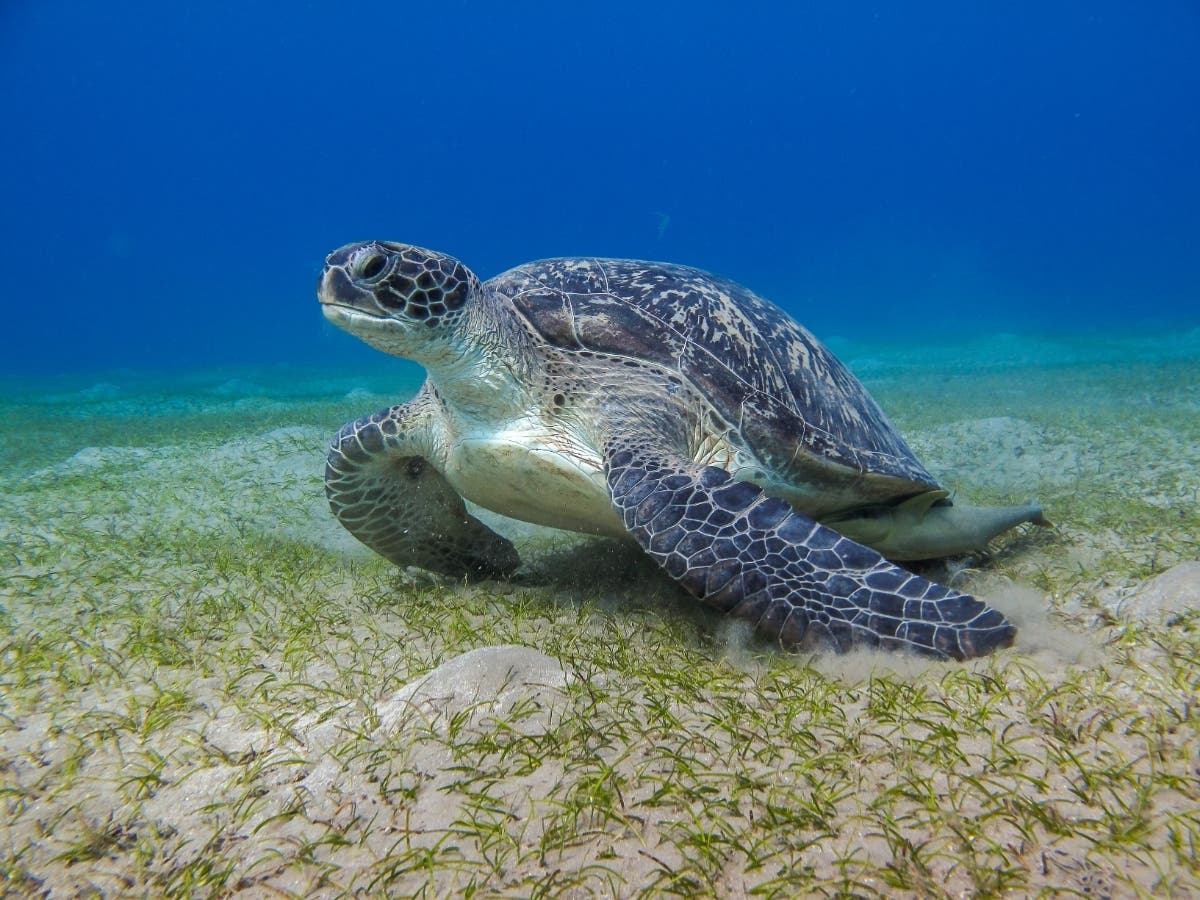
“Turtle Rescues & Crittercams: From Ellington to Around the World,” a fascinating story about the genesis of the National Geographic Crittercam remote camera and scientific efforts to save sea turtles in Costa Rica, will be held on Friday, October 11 at 6:30 p.m. at Union Church, 3 Elm Street in the historic Rockville section of Vernon. The event is free and open to the public. The presenters will be Greg Marshall and Dr. James Spotila.
Marshall is a National Geographic Society Fellow and Research Associate from Washington DC. He is an inventor, biologist, conservationist and Emmy Award-winning cinematographer. Marshall has dedicated his life to studying, exploring, and documenting animal life in the world’s oceans and across the globe. His most celebrated contribution to the scientific community is the invention of the Crittercam, a small, lightweight, streamlined camera that has the remarkable ability to travel unobtrusively with its animal hosts where no camera has gone before, capturing never-before seen footage of the private lives of wild animals.
In 1986, Marshall was diving off the coast of Belize in Central America and encountered a shark. The shark approached him and disappeared with three quick strokes of its tail. Stuck to the shark’s belly was a remora fish. As Marshall watched the shark disappear, it occurred to him that if he could put a camera in place of the remora, he could learn about the shark’s behavior. Inspired, he built the first Crittercam in 1987, and in 1989, he collaborated with Ellington resident Chris Luginbuhl to deploy the camera on a leatherback turtle in its natural habitat.
Find out what's happening in Vernonfor free with the latest updates from Patch.
Marshall has led over 120 field expeditions worldwide, collaborating on behavioral studies of some 80 species including turtles, penguins, whales, alligators, sharks, lions and house cats. In addition to publishing with his collaborators in every major journal and publication, Marshall’s Crittercam research has provided a dazzling library of imagery from the perspective of animals in the wild. This footage has been used in over 70 National Geographic films, including March of the Penguins, a 13-part “Crittercam” television series, and dozens of shorts in PBS’s “Wild Chronicles” series. Marshall’s films carry a strong conservation message. Marshall has presented dozens of talks with National Geographic’s Speakers Bureau, and was featured in CNBC’s “10 of the World’s Coolest Jobs.” He continues to explore new approaches to research and image making and his mission remains to share the experiences of wild animals in ways that make their lives immediate and relatable to humans.
Through his research, film, lectures and conservation efforts, Marshall brings the outdoors inside, creating windows into the natural world that allow animals to show us their lives, their struggles, their challenges and triumphs. “When we learn something new and fascinating about animals, the space between us diminishes. We care more, and an urgency for conservation is ignited. Whether through innovative imaging technology and research, filmmaking or education outreach, my passion is to help to preserve the natural diversity of our ever more intimate planet.”
Find out what's happening in Vernonfor free with the latest updates from Patch.
Dr. Spotila is the Chair of The Leatherback Trust. He has been studying and saving sea turtles since 1978, when he led a team that successfully completed the first sonic and radio telemetry study of sea turtles. They measured the body temperature of swimming green turtles at Tortuguero, Costa Rica and discovered that they exhibited regional endothermy, keeping their muscles warm while swimming. In 1980, his team discovered that temperature determined the sex of incubating embryos of green sea turtles. The cover article published in SCIENCE revolutionized the way that scientists thought about sex determination and conservation of sea turtles.
Since then, Dr. Spotila has published over 200 scientific articles and trained 96 MS and Ph.D. students as well as numerous undergraduates. Her was the Betz Chair professor of Environmental Science at Drexel University and served as Chief Environmental Scientist for the Department of the Army in the Clinton Administration. In 1994, he and Frank Paladino helped establish Parque Nacional Las Baulas in Costa Rica. In 2000 they established The Leatherback Trust to help consolidate the park and save leatherback and other sea turtles. He has also led a project on the biology and conservation of giant pandas in China.
For more information, please contact Chris Luginbuhl at 860.978.8355 or email him at reflectandglow@gmail.com.