Politics & Government
Tax Increase Proposed In Wallingford Mayor’s Budget
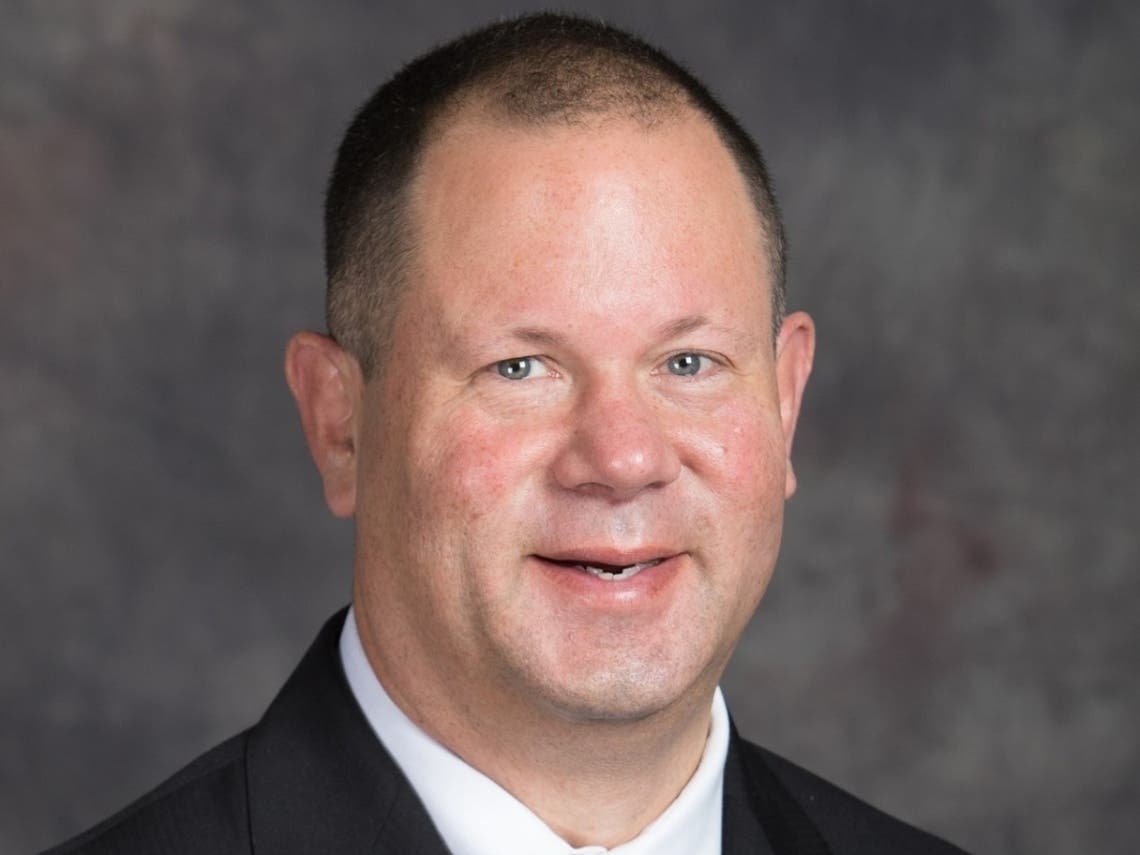
Wallingford Mayor Vincent Cervoni said his proposed budget "addresses the continually rising costs of conducting the town's business…"


WALLINGFORD, CT — Wallingford Mayor Vincent Cervoni is proposing a $211.3 million budget for 2026-27 that carries a 3.19 percent tax increase on the average residential taxpayer.
Under the proposed mill rate, which Cervoni called “regionally competitive” at 24.89, the average homeowner would see an increase of around $215 from the current tax bill.
In a letter submitting the proposed budget to the Town Council, Cervoni wrote that his spending plan “addresses the continually rising costs of conducting the town's business while serving the growing needs of the community.”
Find out what's happening in Wallingfordfor free with the latest updates from Patch.
“Amidst the rising costs, we are continuing to serve the community's needs at current levels, with some increases in public safety, and all of it done in fiscally responsible way,” Cervoni wrote.
Cervoni said the budget process this year was driven by “several trends including negotiated wage increases in collective bargaining agreements allowing this town to be a competitive and rewarding employer.”
Find out what's happening in Wallingfordfor free with the latest updates from Patch.
Amid the town’s various revenue sources, Cervoni noted that the state’s funding remains the same, and the grand list growth is “modest with the increase in value largely attributable to existing inventory.”
Cervoni is recommending appropriating $9 million from town’s reserves/audited fund balance.
“We continue to make every reasonable effort to maintain our Aal credit rating,” Cervoni wrote. “Unassigned fund balance as of the 2024-25 Audit totals $20.7 million.”
Cervoni said requests for funding increases from general government and education totaled more than $11 million.
“In light of the rising costs of employment and, otherwise, operating government, as compared to the costs associated with running a household, these requests are overly burdensome on the taxpayer,” Cervoni wrote.
Cervoni reduced the Board of Education’s requested increase of $4,003,784 by $601,632.
“However, the reduction does not effect sustained services, therefore having no Impact on the classroom experience,” Cervoni wrote. “General Government requests, total $7,047,844, were reduced by $3,160,011.”
Cervoni said the drivers of increases that remain in the budget include a 7.5 percent increase in the employee health insurance program, a nearly $320,000 increase in debt service, and increases in “bargained contractual wage obligations are a significant factor in this year's tax increase, totaling 7.05%.”
“This administration continues its focus on retention of town employees with competitive, rewarding and quality employment,” Cervoni wrote. “Recent indicators of the success of these efforts include improvements in employee retention, and talented applicant pools in response to job openings.”
The Information Technology (IT) department continues “marginal expense growth this year as compared to last year,” according to Cervoni.
Cervoni approved two of the fire department’s nine requested new positions.
“Of those requested, two Emergency Medical Technicians have been approved to support the ever-increasing volume of medical calls,” Cervoni wrote.
Cervoni approved the police department’s requested increase of two patrol officers.
Regarding the real and personal property tax impact, Cervoni wrote that “local property taxes of $149,868,142 at a rate of 24.89 mills are required to fund this proposed budget.”
“This is a 4.37% increase over last year's required local property taxes of $143,592,729,” Cervoni wrote. “At the proposed mill rate of 24.89, the average residential property parcel, now assessed at $277.618, would generate $6,910 in taxes, an increase of 3.19% from the current tax bill of $6,696.”
Cervoni reinforced that the drivers in the department budgets “reflect increases in the cost of doing the town's business.”
“As indicated previously, negotiated wage increases in collective bargaining agreements are paying dividends, keeping Wallingford a competitive and rewarding employer,” Cervoni wrote to the council members. “The modest increase requested by the Board of Education appears to reflect the Board's understanding of the economic environment in which we currently exist.
“Our online bill-pay system has also paid dividends in increasing timely collections and reducing manual processing of payments. We continue to improve and look for efficiencies in the way we do business while managing increasing costs associated with services we are obligated to purchase or fund.
“We do believe that we can best serve the needs of Wallingford residents with this budget. Therefore, we encourage your favorable consideration in the adoption of this proposed budget.”
Get more local news delivered straight to your inbox. Sign up for free Patch newsletters and alerts.