Politics & Government
Legislature Makes Decision On State Employee Union Concessions
Proponents of the bill say it could save taxpayers tens of billions of dollars over the next 20 years.


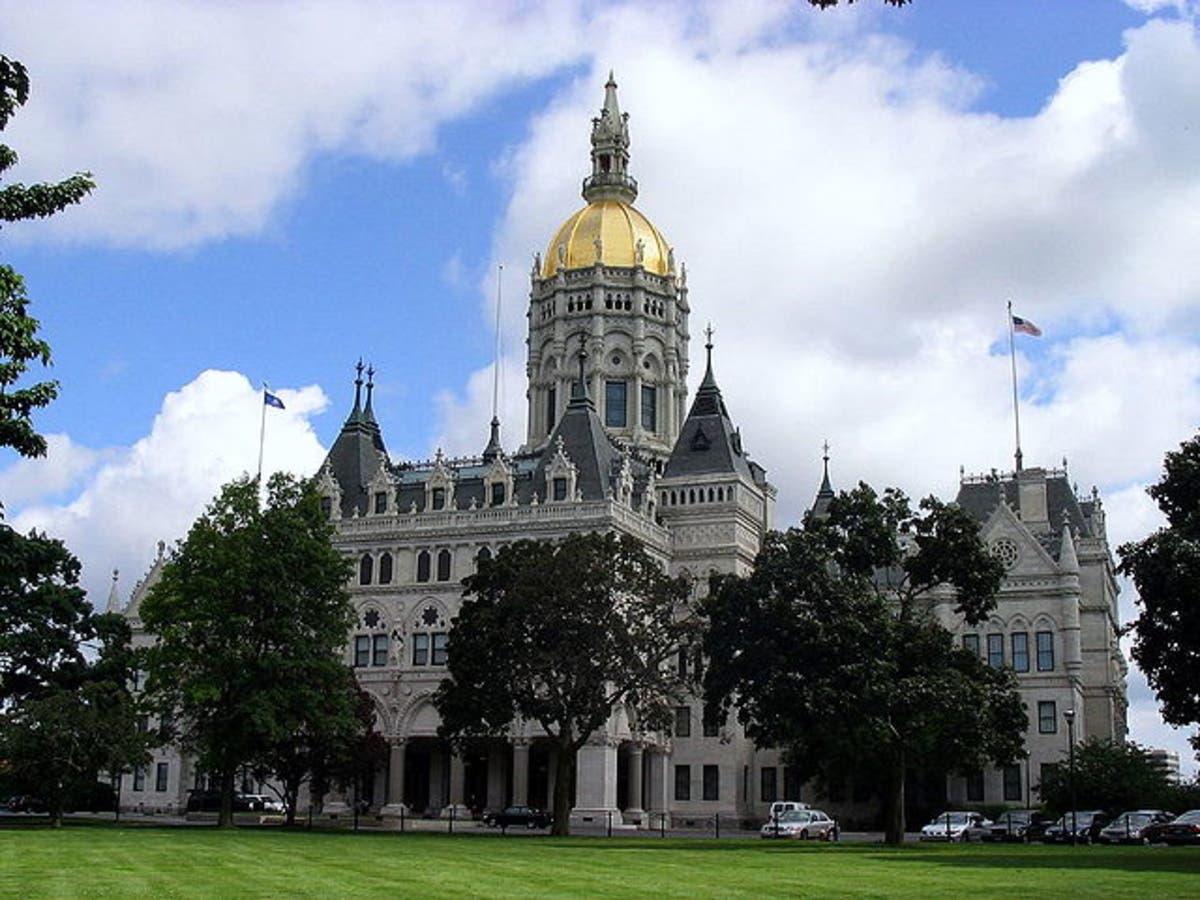
After some last-minute maneuvering the The Connecticut Senate passed the state employee union concession agreement Monday evening. Supporters of the bill say it was essential to plugging a multi-year $3.5 billion deficit.
Three Democrat senators hadn’t committed to voting in favor of the bill by Monday afternoon, according to the CT Mirror. Waterbury Senator Joan Hartley along with Wethersfield Sen. Paul Doyle and Milford Sen. Gayle Slossberg held out on the commitment.
The three senators pushed for a number of "systemic changes" in addition to changes made by the concession package. (Get Patch's Daily Newsletter and Real Time News Alerts. Or, if you have an iPhone, download the free Patch app.)
Find out what's happening in Waterfordfor free with the latest updates from Patch.
The bill faced an uphill battle in the senate because the chamber is evenly split between Democrats and Republicans with a tie-breaking vote going to Lt. Gov Nancy Wyman, a Democrat. All Republicans voted against the bill.
“The $1.57 billion in savings during the current biennium that this concession package will produce are a key piece toward adopting a budget for our state," said Gov. Dannel Malloy. “I am urging legislative leaders on both sides of the aisle to work with our administration on finding a solution on this as soon as possible so that the most vulnerable populations do not suffer long-term consequences.”
Find out what's happening in Waterfordfor free with the latest updates from Patch.
The State House of Representatives voted nearly across party lines for the bill. All Republicans opposed it along with a single Democrat. “By following the lead of last week’s House approval, today’s Senate vote moves the state a big step closer to a sustainable budget for the next two years and beyond,” said House Speaker
Joseph Aresimowicz said. “This was a critical piece of the puzzle necessary to bringing funding certainty to our municipalities, our non-profits that serve our most vulnerable residents, and our business community.”
Republicans were quick to critisize the decision.
“This deal will result in more and more job-killing tax hikes,” said State Sen. Tony Hwang. “This deal will result in slashed municipal aid and force property tax hikes. And this deal will hurt the very people we should be protecting: our vulnerable and disabled state residents who will see their services decimated and eliminated.”
Potential Savings, Disagreement
Proponents of the bill claimed it would save the state $24 billion over the next 20 years and upfront savings in the short-term would help alleviate $1.569 billion of the state’s $5 billion two-year budget deficit.
Opponents of the bill claimed it was too generous for unions, especially because it offered a no layoff guarantee until June 30, 2020 and extended the current benefits and pension contract out until 2027 instead of ending it in 2022. The bill would hamstring the next governor if a major economic downturn were to hit, opponents contended.
Gov. Dannel Malloy said the time is now to pass the concession package because it would create a hybrid pension/401k-style retirement plan for new state hires. At least a quarter of the state workforce is expected to retire between the present and 2022 when the union contract expires. The state would save $97 million annually by 2037.
In addition the bill would save money by increasing health care and retirement contribution costs for state employee union members. They also agreed to a short-term wage freeze.
Among the savings:
- Health care savings of $136 million in the first two years. Savings increase to about $100 million a year down the road.
- $200 million a year savings in the 2020’s as retiree medical insurance switches to Medicare Advantage.
- Pension savings for the state of $210 million in FY18 and $238 million in FY19. Over the course of the deal the state could save $400 to $500 million per year.
- Wage freezes will save $716.4 million over the next two fiscal years and $500 million a year thereafter.
Photo via Lisa Jacobs/Flickr Commons
Get more local news delivered straight to your inbox. Sign up for free Patch newsletters and alerts.