Health & Fitness
Heroin-Related Deaths Skyrocket in Connecticut
Opiate overdoses continue to rise with the highest number of deaths ever recorded in 2015.


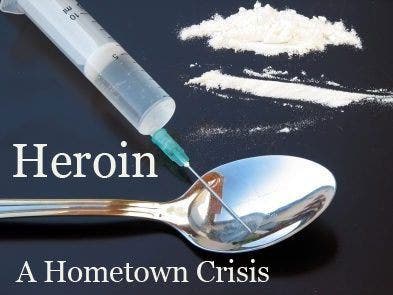
The tragic trend of increasing opiate deaths in Connecticut continued throughout 2015 with the highest number of deaths ever recorded.
Heroin was involved in 415 deaths in 2015 compared to 327 in 2014, but the number of deaths involving just heroin decreased from 115 in 2014 to 110 in 2015.
Find out what's happening in Waterfordfor free with the latest updates from Patch.
Overall, there were 723 accidental overdose deaths in 2015 compared to 568 in 2014. The figures don’t Include pure ethanol (alcohol) overdoses.
Fentanyl deaths more than doubled in 2015 compared to 2014. Fentanyl was involved in 186 deaths for 2015 compared to 75 in 2014 and only 14 in 2012.
Find out what's happening in Waterfordfor free with the latest updates from Patch.
Fentanyl is a powerful synthetic opiate that is prescribed to treat severe pain. It is often used illicitly to boost the effects of heroin, but can cause overdoses due to its extreme potency and lack of control in the illicit drug manufacturing process.
It is estimated to be 80 times more potent than morphine and hundreds of times more potent than heroin, according to The Centers for Disease Control and Prevention.
Chief Medical Examiner Dr. James Gill noted that most of the fentanyl deaths involved illicit and not prescription sources. Fentanyl was involved in 14 deaths during 2012.
Related: Heroin Killing Connecticut Residents At An Alarming Rate
Community members, health experts and other officials sounded off in support of Gov. Dannel Malloy’s latest efforts to curb the opiate addiction epidemic in Connecticut.
Malloy proposed making it mandatory that municipalities ensure that the primary emergency response provider is equipped and prepared to administer the anti-overdose drug naloxone, also known as Narcan.
Naloxone is an opioid antagonist that can reverse the respiratory depression that can occur during an overdose. It can buy valuable time for someone on the verge of death to be transported to a hospital for further treatment.
The Uniformed Professional Fire Fighters Association of Connecticut, Connecticut AFL-CIO president and several others expressed support for the proposed legislation.
“A reversal of an overdose with Narcan represents an opportunity for that individual to engage in treatment and start on the road to recovery,” said Nancy Navarretta, deputy commissioner of the Department of Mental Health and Addiction Services. “This bill will enhance the availability of Narcan, which will save more lives.”
State Police troopers have been equipped with Narcan and to date have successfully administered more than 60 doses. Several municipalities have also equipped first responders with Narcan.
Connecticut has taken a number of steps since 2011 to combat opiate overdoses. In 2011 the state passed a Good Samaritan law that protects individuals from being prosecuted for minor drug crimes when they seek medical attention for someone experiencing an overdose.
Additional laws have been passed that allow pharmacists to directly prescribe naloxone. Prescribers must also use the Prescription Monitoring Program for controlled substances. The PMP was created in an effort to prevent “doctor shopping” that many addicts resort to in order to obtain prescription narcotics.
Get more local news delivered straight to your inbox. Sign up for free Patch newsletters and alerts.