Community Corner
Total Solar Eclipse 2017: Where To See It In Connecticut
A total solar eclipse will be seen across the U.S. for the first time in 99 years on Aug. 21. Here's where to see it in Connecticut.


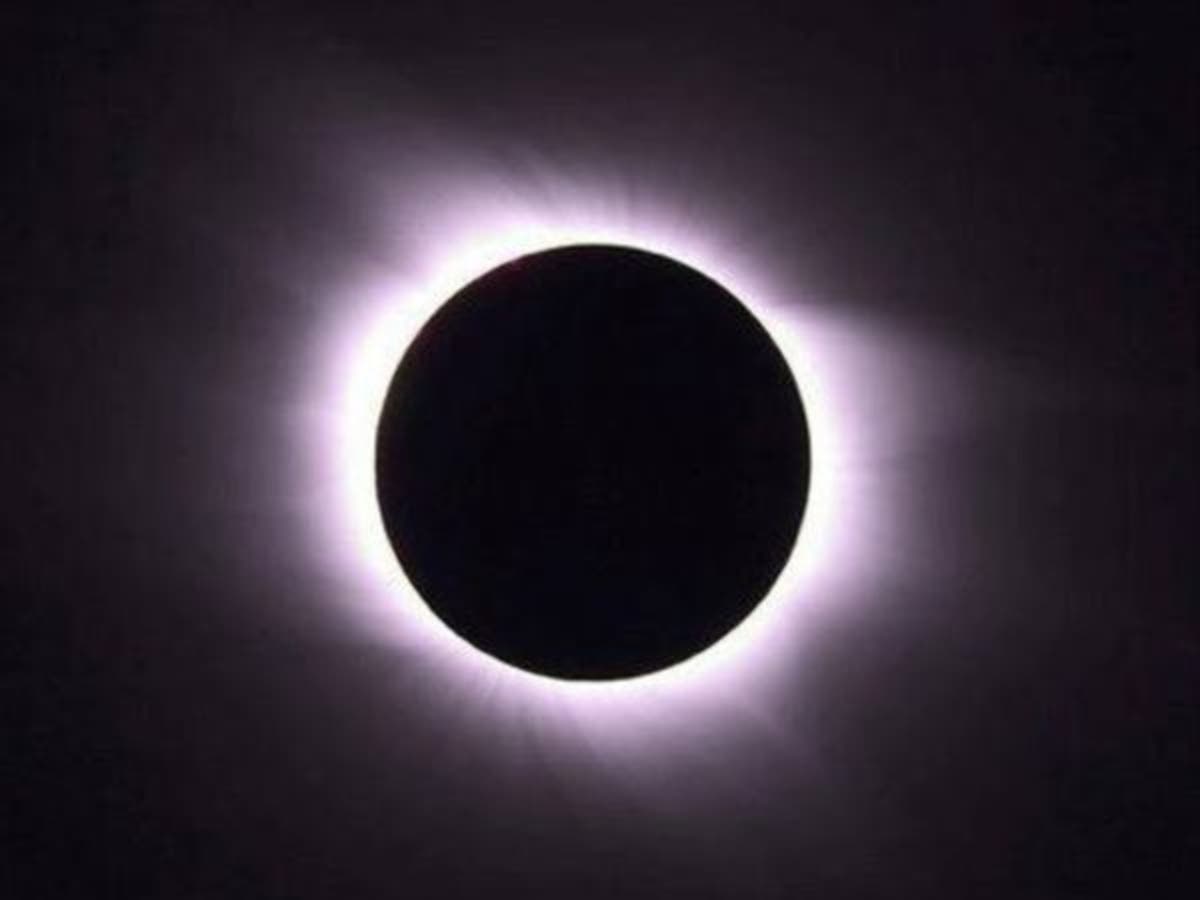
HARTFORD, CT — For the first time in nearly a century, a total solar eclipse will be visible across North America. The once-in-a-lifetime event will take place on Monday, August 21, according to NASA.
The total eclipse viewing corridor will stretch across 14 states, according to NASA. The first sighting in the U.S. on Aug. 21 will be in Lincoln Beach, Oregon, at 9:05 a.m. PDT (12:05 p.m. EST) and will last be seen in Charleston, South Carolina, at 4:05 p.m. (To sign up for free, local breaking news alerts from more than 100 Connecticut communities click here.)
Here is one place residents can watch the total solar eclipse in Connecticut and have a fun time doing it:
Find out what's happening in West Hartfordfor free with the latest updates from Patch.
Total Eclipse Monday - Hartford
Total Eclipse Monday will be a community event to watch the Solar Eclipse happen with the town and surrounding area of Hartford at the Connecticut Science Center. The event will consist of several educational activities and crafts.
Find out what's happening in West Hartfordfor free with the latest updates from Patch.
Science Center staff will be on hand to answer questions and give further information on the Solar Eclipse. There will be local vendors to provide food as well as a Yoga class led by Vasu Tribe Studio of Hartford.
You can also use this interactive Google map to find the spot of the longest eclipse. An interactive map with additional events throughout the U.S. is found here.
Solar Eclipse Viewing Tips
- Looking directly at the sun is unsafe, and the only safe way to look directly at the uneclipsed or partially eclipsed sun is through special “eclipse glasses” with solar filters, warns NASA, which offers these tips:
- Homemade filters or sunglasses are not safe for looking at the sun. Five manufacturers have certified that their eclipse glasses and handheld solar views meet international standards, and they are Rainbow Symphony, American Paper Optics, Thousand Oaks Optical, TSE 17and Baader Planetarium.
- Always inspect your solar filter before use; if scratched or damaged, discard it. Read and follow any instructions printed on or packaged with the filter. Always supervise children using solar filters.
- Stand still and cover your eyes with your eclipse glasses or solar viewer before looking up at the bright sun. After glancing at the sun, turn away and remove your filter — do not remove it while looking at the sun.
- Do not look at the uneclipsed or partially eclipsed sun through an unfiltered camera, telescope, binoculars or other optical device. Similarly, do not look at the sun through a camera, a telescope, binoculars or any other optical device while using your eclipse glasses or hand-held solar viewer — the concentrated solar rays will damage the filter and enter your eye(s), causing serious injury. Seek expert advice from an astronomer before using a solar filter with a camera, a telescope, binoculars or any other optical device.
- If you are within the path of totality, remove your solar filter only when the moon completely covers the sun’s bright face and it suddenly gets quite dark. Experience totality, then, as soon as the bright sun begins to reappear, replace your solar viewer to glance at the remaining partial phases.
- An alternative method for safe viewing of the partially eclipsed sun is pinhole projection. For example, cross the outstretched, slightly open fingers of one hand over the outstretched, slightly open fingers of the other. With your back to the sun, look at your hands’ shadow on the ground. The little spaces between your fingers will project a grid of small images on the ground, showing the sun as a crescent during the partial phases of the eclipse.
Written by Shannon Antinori (Patch National Staff) / Kimberly Johnson (Patch Staff)
Images via NASA
Get more local news delivered straight to your inbox. Sign up for free Patch newsletters and alerts.