Schools
Region 9 Talks Technology
The Region 9 Board of Education held its first meeting of the 2011-2012 school year Tuesday night.
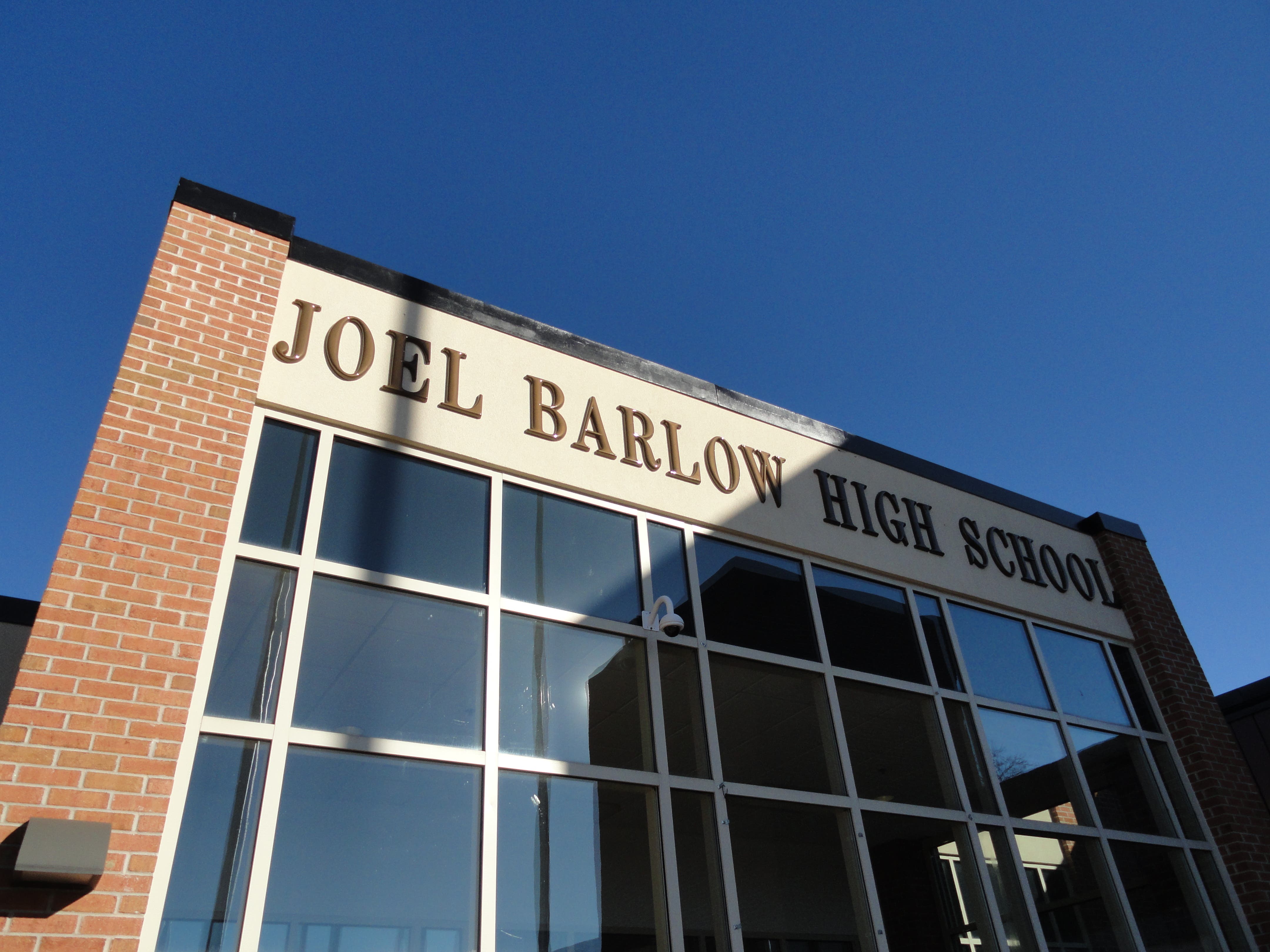
With the Region 9 Board of Education taking an intensive look at where education is headed, experiments and off-campus learning experiences took center stage at Tuesday night’s regular meeting.
A pilot social studies program involving the use of 30 iPads — intended to help teachers determine ways to improve students' learning experience and aptitude via technology — was brought before the board. The total cost of the program would be $19,909, according to Assistant Superintendent and Head of Joel Barlow High School Dr. Tom McMorran.
“This request comes from a conversation about our looking forward,” McMorran explained.
Find out what's happening in Weston-Redding-Eastonfor free with the latest updates from Patch.
McMorran also informed the board of progress made at Joel Barlow High School, which includes the beginning stages of installing wireless internet access in . The anticipation of a “Bring Your Own Device" movement is something that could result in significant cost savings for the district.
“We look forward to a time when students will bring their own equipment and use our [internet] access,” McMorran stated.
Find out what's happening in Weston-Redding-Eastonfor free with the latest updates from Patch.
If students brought their own devices to school, Barlow would be able to save money in electrical costs and textbook costs, Chairman Mark Lewis said. Students would charge their devices at home and the district could transfer textbooks to digital files. Lewis said the district could save $180,000 if the BYOD movement catches on.
“I think the concept of experimentation [with technology] is a good one,” said Cathy Gombos, vice chairman of the board.
The use of . The science department used them last year, according to McMorran. Last year, iPads were kept in a locked case in one teacher’s classroom. If the board chooses to go forward with the pilot program, this will be the protocol again.
“We are going to hand-held devices and we are going there rapidly,” said Thomas Logie.
Although Logie sees the quick changes in education, he said he felt the experiment needs to be put off until next fall when funds would be more available. Heating costs and diesel fuel used in the building, as well as snow removal costs are areas that Logie feels the board needs to think about when allocating funds.
“This would have a life beyond the experiment,” McMorran stated.
The board decided to hold off on approval of the experiment, and reconsider it at a later date.
How students are choosing college
Another big topic at Tuesday night’s meeting was Barlow’s student enrollment in college programs. The board has seen a dip in the amount of students that will be attending four year schools and an increase in those attending two year programs.
“The overall observation is that the economy is playing a role in the decisions that families are making when it comes to the college application process,” McMorran said. “There are more kids willing to take a two-step bump."
Barlow has extended its hours of operation in the career and placement department, but has seen less students applying to college than usual, according to McMorran. Students also have the assistance of new college admission software that they can access through their counselor.
“There are 127 students waitlisted—that’s higher than last year,” McMorran said.
The board plans to do more work in the area of strengthening relationships with area schools. Ivy League schools like Yale and Harvard are beginning the process of “democratizing of admission,” according to McMorran. This means that they are becoming more open to accepting students outside of their usual demographic.
“This puts a little more pressure on us,” McMorran stated.