Health & Fitness
7 Most Frequently Asked Questions About Measles
Urgent Care New Britain is here to answer your 7 most frequently asked questions about measles, and encourage you to get vaccinated today.


As you may have heard, the Measles Virus is here, and it can be deadly. Although the virus is easily prevented through vaccination with two doses of the measles, mumps and rubella (MMR) vaccine, immunization hesitancy has interfered with maintaining a high coverage rate. An unsupported link between autism and MMR vaccination persists, and many outbreaks and exposures have occurred in parts of the country with lowered vaccination rates. Today, we’re here to answer your 7 most frequently asked questions about measles, and strongly encourage you to get vaccinated today. (link opens in new tab)
1. I’ve been exposed to someone who has measles. What should I do?
- Call a doctor or medical professional right away, and inform them of your exposure.
- Determine if you have already been immunized for Measles by checking your medical records.
- If you are not immune to measles your doctor can help to advise you, and monitor you for signs and symptoms of measles.
- If you have not gotten the MMR vaccine you should stay away from large groups of people such as schools, hospitals, or childcare until your doctor says it’s okay. This will help ensure that you do not spread it to others.
2. What are the first symptoms of Measles and how quickly do they usually show up?
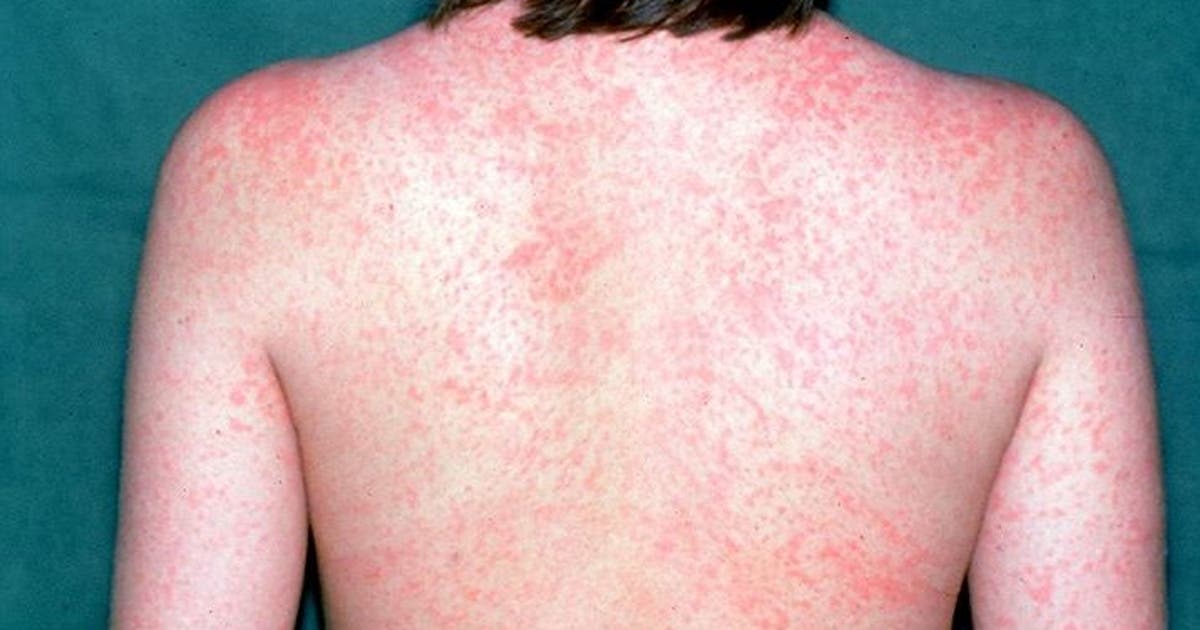
People usually get a fever, cough, runny nose, and red eyes first. Within a few days, a red rash (link opens in a new tab) starts on the face and can spread to the rest of the body. If you notice those signs, tell your doctor right away.
According to -Iftikhar Ali, MD, Medical Director for AFC Urgent Care: “Measles is a highly contagious disease. The only way to protect yourself is being vaccinated. If you are not sure about your vaccination status, it can be tested with a simple blood test for MMR ( Measles/Mumps/Rubella). If you are not immune, you should get a booster dose of MMR. If someone comes in contact with a patient who is diagnosed with measles and is not sure about his/her MMR vaccination status, he/she should go to a health care facility within 72 hours to receive the MMR booster vaccine to prevent the disease. If it is over 72 hours, you should go to the Emergency Department of the nearest hospital within 6 days to receive immunoglobulin”
3. I think I have measles. What should I do?
- Immediately call your doctor and let him or her know about your symptoms you are having.
- Determine if you are immune to measles based on your vaccination record or if you had measles in the past.
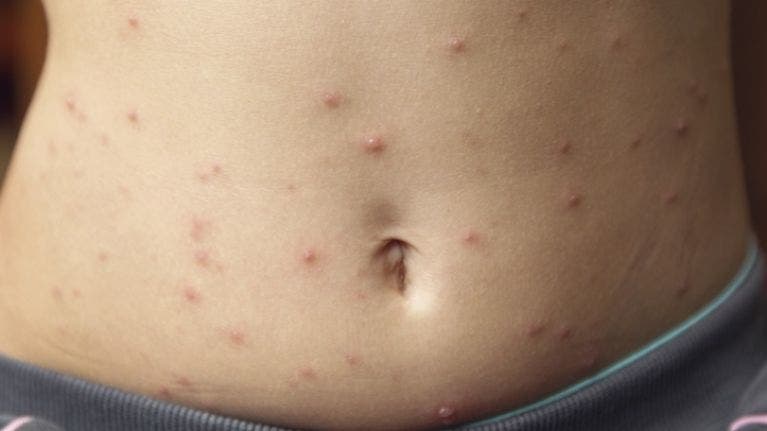
- Make special arrangements to evaluate you, if needed, without putting other patients and medical office staff at risk.Three to five days after symptoms begin, a rash will break out, and present as flat red spots that appear on the face at hairline, and spread downward to the neck, trunk, arms, legs and feet. Small raised bumps may also appears on top of the flat red spots.
4. How effective is the measles vaccine?
The measles vaccine is very effective. One dose of measles vaccine is about 93% effective at preventing measles if exposed to the virus. Two doses are about 97% effective. Don’t risk it, get vaccinated today.
Find out what's happening in Westportfor free with the latest updates from Patch.
5. Where are the cases of measles reported in the United States coming from?
Some 97 percent of the measles cases reported so far have originated in other countries. About 70 percent have occurred in people who were unvaccinated, mostly for religious or philosophical reasons, and another 20 percent were in people whose vaccination status couldn’t be confirmed. About 10 percent of cases were in people who’d received at least one dose of measles vaccine, the CDC said.
In recent years, many measles cases came into the United States from common U.S. travel destinations, such as England, Israel, France, Germany, India. During 2014, many measles cases came from the Philippines and Vietnam.
6. Could measles ever ‘re-establish’ itself in the United States?
Yes, measles could become endemic (constant presence of a disease in an area) in the United States again, especially if vaccine coverage levels drop, and this is a current concern among health professionals. This can happen when:
Find out what's happening in Westportfor free with the latest updates from Patch.
- People forget to get vaccinated on time.
- People don’t know that they need a vaccine dose (this is most common among adults).
- People refuse vaccines for religious, philosophical or personal reasons.
7. My doctor told me that I have measles. What should I do?
If you have measles, you should stay home for four days after you develop the rash . Staying home is an important way to not spread measles to other people. Talk to your doctor to discuss when it is safe to return. Also try being extremely hygienic by doing these things; cover your mouth and nose with a tissue when you cough or sneeze, and put your used tissue immediately in the trash. Wash your hands (link opens in a new tab) often with soap and water. Avoid sharing drinks/food/eating utensils. Disinfect frequently touched surfaces, such as toys, doorknobs, tables, counters.
Don’t wait. Come get your Measles Vaccine today!
At AFC Urgent Care New Britain you can walk right in, no appointment necessary, to any of our walk-in clinics. We are located at 135 East Main Street, New Britain CT 06051. Our locations are open 7 days a week and ready to treat you. You can save time by checking in online and we accept most insurances.