Community Corner
Experts Disagree On Warming Up Car During CT Arctic Blast
With frigid arctic air moving into Connecticut this weekend, there are reasons for and against warming up your car.


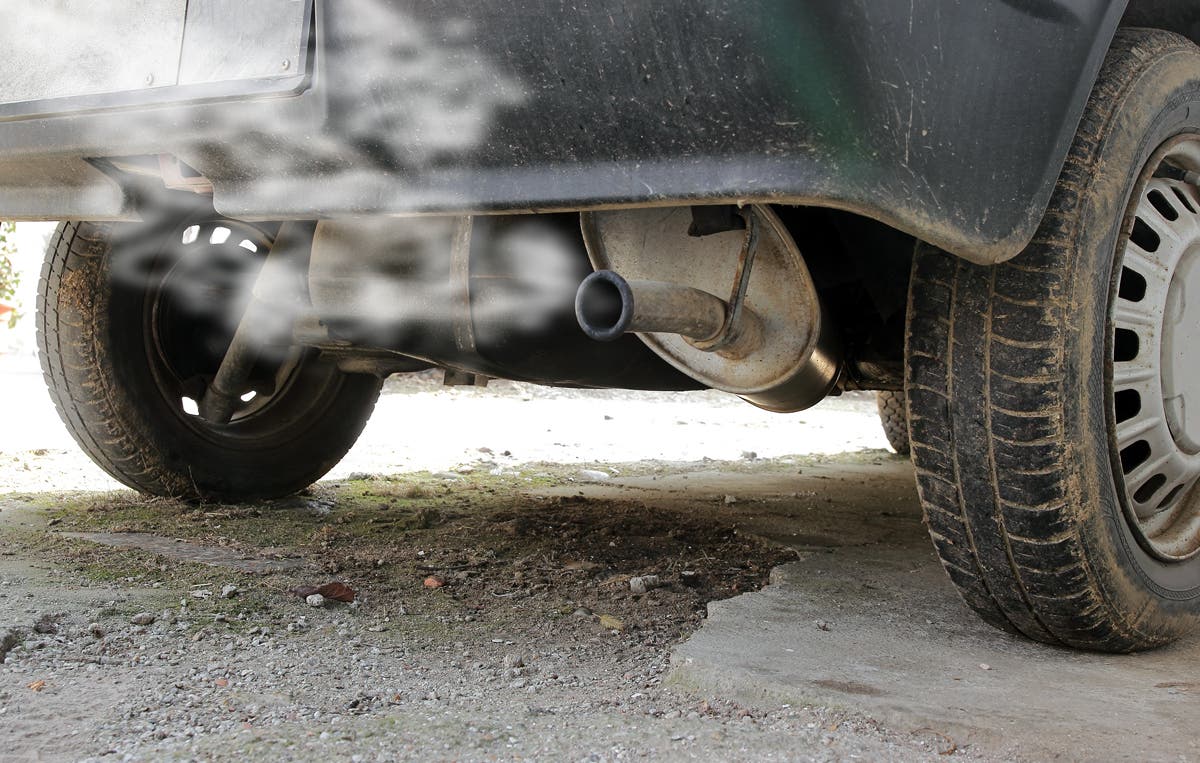
As residents prepare for extended arctic cold temperatures this weekend into New Year's Day across Connecticut, many are taking proper precautions to stay safe and warm. With temperatures dropping into single digits, it may be wise to do a little more than simply cranking up the heat in the house.
The National Weather Service has provided a number of ways residents can ensure their home is prepared for prolong frigid cold, such as sealing cracks and holes in outside walls and foundations near water pipes to keep cold air out.
NWS officials also recommend opening kitchen and bathroom sink cabinets to allow warmer air to circulate around plumbing and leaving the heat set to at least 55 degrees, rather than turning it down too much, if you are going away.
Find out what's happening in Westportfor free with the latest updates from Patch.
Should the need arise for you to leave the comfort of your warm home and drive somewhere, you may find yourself wondering whether or not starting your car ahead of time is important.
Those who have a remote car starter can stay inside and sip coffee while their car warms up in the driveway. Although you need to keep an eye out; thieves can strike in the winter by stealing vehicles as they idle, whether it's in your driveway or at a gas station.
Find out what's happening in Westportfor free with the latest updates from Patch.
It's a commonly-held belief that engines need to warm up before you hop in the car on days when the temperature drops below freezing. A 2009 study from Vanderbilt University found that most Americans think a car should idle for at least five minutes before it's driven. But experts say that only applies to older cars built with carburetors, which are pretty rarely found on the road these days. Vehicles with fuel injection systems, which regulate the ratio of air to fuel that reaches your engine, rely on oxygen sensors for that task.
With fuel-injected engines, the vehicle can adjust itself to idle just fine even in sub-zero weather, says Road and Track magazine. Idling an engine builds up much less heat than driving it, and letting it site can allow raw gas to seep into the engine oil, breaking down the oil's lubrication properties and increasing the wear, the experts say.
Road and Track's team says fire up the minivan, make sure all the windows are clear of ice, snow or fog, and drive. "The engine will warm up faster, and therefore you'll get nice warm heat coming out of the vents sooner, which is what you want anyway."
In extremely cold weather, the oils that lubricate the engine won't be fully liquid when you first start your SUV. So giving the motor a minute to warm up before you hit the road can keep you from harming your engine, says the folks at the DriversEd.com blog.
To make sure the fog is gone from your car windows, which makes for a much safer commute, the blog says you should:
- Turn on your defogger to begin clearing the windows
- Turn the car's heater up all the way to warm up the air in your car
- Turn on the air conditioner temporarily in order to draw extra water out of the air
- Turn off air circulation within the car to bring in fresh air from outside
- Open your windows slightly, if possible, to bring in more fresh air
It sounds unorthodox, but you can keep a sock filled with kitty litter near your windshield to absorb extra moisture in the car. You can also prevent fog by covering the inside of the windshield with shaving cream and then clearing it away, the authors say.
"Idling does surprisingly little to warm the actual engine," say the folks at Popular Mechanics. "The best thing to do is start the car, take a minute to knock the ice off your windows, and get going."
But a blogger with CarThrottle disagrees. While there's no need to let a car run in the driveway for 10 minutes — which is banned in some cities — you should give it a good 30 seconds or so to let the oil start flowing, and let the chilled metal parts in your engine warm and expand to their normal size before driving at full speed.
And the blog author warns that cold tires have less traction until they warm up, so take it easy at first. "In this cold weather, please wait till your car warms up and don't drive like a lunatic straight out of the driveway. It will be really grateful for it," says the blogger.
Unnecessarily idling your car also affects both your health and your wallet, say those who argue against warming up a vehicle.
Health Concerns
Every 10 minutes your car runs, it releases one pound of carbon dioxide, according to the Environmental Defense Fund. This greenhouse gas is the biggest contributor to global warming.
Breathing in exhaust is also bad for your health, especially for children, the elderly and anyone with asthma. Breathing the hydrocarbons in car exhaust has been linked to increased rates of cancer, heart and lung disease, asthma and allergies, according to the EDF.
An idling car also releases carbon monoxide which can be fatal if too much of the gas is inhaled. Never let your car run in an enclosed space such as a garage.
Wasted Money
Cold weather will affect your fuel economy no matter what you do, but letting your car idle only increases the amount of gas wasted. Even with the recent plummet in gas prices, wasted gas means wasted money.
A study from Natural Resources Canada showed that idling a car for five minutes increased fuel consumption by 7 to 14 percent and a 10-minute warm-up raised that number to 12 to 19 percent.
So instead of hitting the "start engine" button before you've left the house, start your vehicle the old fashioned way. Your body and wallet will thank you.
Damaged Cars
Idling also causes problems with your car, once again hitting your wallet where it hurts. According to both the Hinkle Charitable Foundation and the EDF, idling for an extended period of time causes problems with the engine. The HCF says an extended idle "forces it to operate in a very inefficient and gasoline-rich mode that, over time, can degrade the engine's performance and reduce mileage."
Image via Shutterstock
Get more local news delivered straight to your inbox. Sign up for free Patch newsletters and alerts.