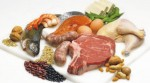
Protein: we’ve gotta have it
We all know about protein. Protein is a major structural component of muscle and other tissues of the body. It is essential to maintaining lean muscle; however, we may not know which proteins are best for us and that is what we will address here.
First some basics
Studies have shown that increases in protein consumption lead to increases in muscle growth or maintenance. So how much do you need? Studies discussed in an article posted in the Journal of Sports Medicine suggest that strength or power athletes need 1.4-2.4 grams per kg (2.2lbs) to build muscle, while endurance athletes need 1.2-1.4 grams to prevent significant deceases in lean muscle tissue. For the rest of us the Food and Nutrition Board, Institute of Medicine, National Academies recommends 0.7-0.8 grams, so a 150 lb. person needs approximately 51 grams per day, unless he or she is an endurance athlete or strength trainer in which case the need is roughly 89 or 129 grams, respectively.
How much is too much?
Excess proteins in the body have been cited as the main reason for ketosis. During ketosis the body uses the fat present in the body for energy. This causes mild dehydration, glucose intolerance, sleep problems, fatigue and kidney problems. The Mayo Clinic recommends that 30–35% of daily calories come from protein.
Find out what's happening in Westportfor free with the latest updates from Patch.
Sources of protein
Proteins are either animal or plant based. Animal based proteins come from the meat of the animal or its milk; whereas plant based protein comes legumes, beans, nuts, seeds, fruits and grains. Animal proteins are generally considered the best source of protein; however there can be high levels of saturated fat.
So what’s the best source of protein for me?
Animal protein is shown to cause significantly greater net protein synthesis than vegetable protein diets; however, there are greater health risks associated with animal proteins associated with greater saturated fat and cholesterol as well as possible bone density due to reabsorption of sulfur from animal proteins.
Find out what's happening in Westportfor free with the latest updates from Patch.
Most vegetable proteins are not considered complete proteins by themselves and it is recommended that persons relying exclusively on vegetables for protein consume a variety of vegetables. However, the soybean sets itself apart in this regard, providing a complete set of protein amino acids and is an excellent source of protein free from the concerns of saturated fat. Generally speaking, soy is an excellent source of protein for those who are lactose or gluten intolerant and it contains no saturated fat.
The fine print
Soy protein offers women benefits and holds risks. There are indications that it is helpful in reducing the risk of breast cancer and studies have found that soy protein can reduce the severity of menopausal symptoms. However, if one has had breast or other hormone related cancers, it is often recommended that soy be avoided as it has estrogen like qualities.
A word about protein drinks
Those of us who are KokoNuts know that it is important to consume proteins, carbs and fats within 30-120 minutes of working out to support lean muscle and protein drinks are a convenient way to accomplish this.
Whey protein drinks are generally comprised of whey concentrate or isolate. Whey concentrate is more biologically beneficial and is therefore preferred by most athletes. However, isolate contains significantly less lactose and fat and can generally be safely taken by those who are lactose intolerant. Soy protein also comes in various forms; however, it is soy isolates which are generally found in sorts and health drinks.