
by Carol Dores
Every person wants to feel they are connected and mean something to others. I was reminded of this last week at the Positive Discipline Association’s annual “Think Tank”, where over 120 people from around the world gathered to deepen our knowledge and connect. What an amazing group to belong to!
Belonging and significance drive everything that we do from birth throughout our lives. As babies and children, we grow, feel safe and thrive when we feel a sense of connection and belonging. As we get older, this continues to be important.
Find out what's happening in Wiltonfor free with the latest updates from Patch.
Think back to when you were in school (or earlier). How did you feel in your family? With friends? In school? If you had a strong feeling that you belonged and were part of each group, you probably feel good. Now think about your children. Do they have a sense that they are an important part of your family and other groups?
How can you build a stronger sense of connection with your children?
Find out what's happening in Wiltonfor free with the latest updates from Patch.
1. Schedule special time with each of your children, doing things that they enjoy doing. This can be as little as once a week, for 30 minutes (or even 10 minutes with young children).
2. Really listen to what your children are saying. When they want to talk, stop everything you are doing, and focus on hearing what they are saying. Actively listen, by saying things like, “What I hear you saying is…… Is that correct?”
3. Validate your child’s feelings. When you sense that your child is angry, say, “Wow, you seem really angry.” Then listen more and validate more. There is no need for you to fix their problem. They should be allowed to have their feelings.
4. Once you have listened to your child, you can share your feelings. We are all more ready to listen once we feel listened to.
5. Ask curiosity questions, to help children explore the consequences of their decisions, rather than imposing consequences on them. Sincere questions open the heart and the rational part of the brain, helping build the connections with your children. For example, “What do you think will happen if you don’t finish your homework tonight?” It is important that your tone of voice is truly curious, or the questions could feel like blame and shame.
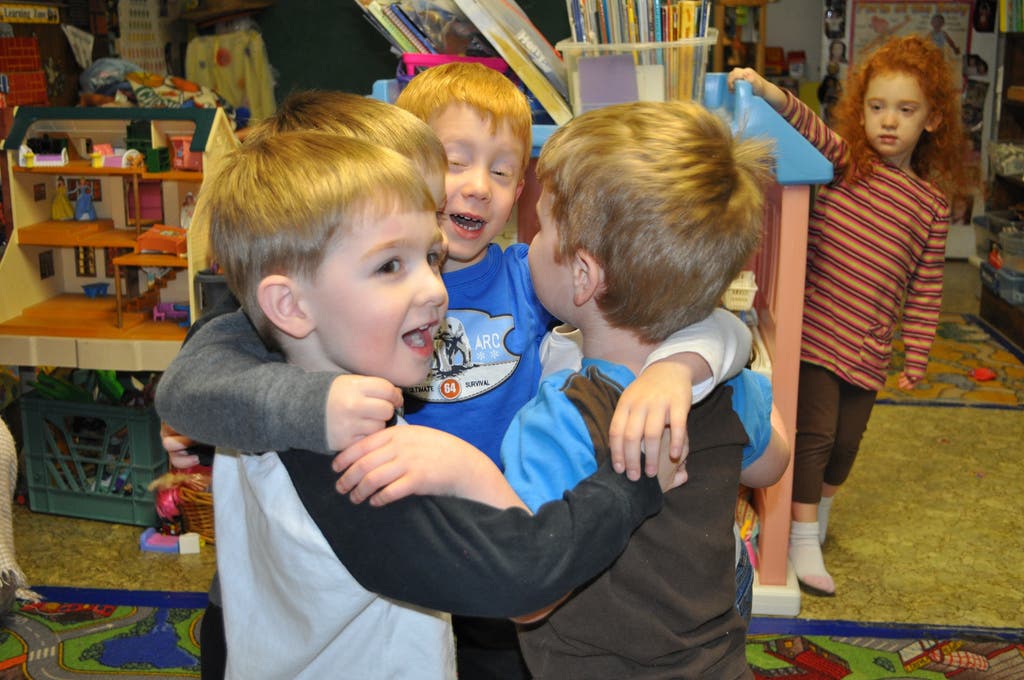
6. A hug can be really powerful and help build the connection.
Want to learn more about building relationships with your children and everyone else in your life? Visit www.positivedisciplinect.org/parenting-classes/ for more cost and registration information.
Want to be added to our email list to receive tips & tools, class updates, and more? Click here http://eepurl.com/8eOZj
#positivediscipline #connection #relationships