Business & Tech
The Oil Spill's Ripple Effect
Dry-docking of many Gulf fishermen will likely drive up seafood prices locally.

Wilton fish purveyors anticipate higher prices as the oil spill in the Gulf of Mexico begins affecting the industry.
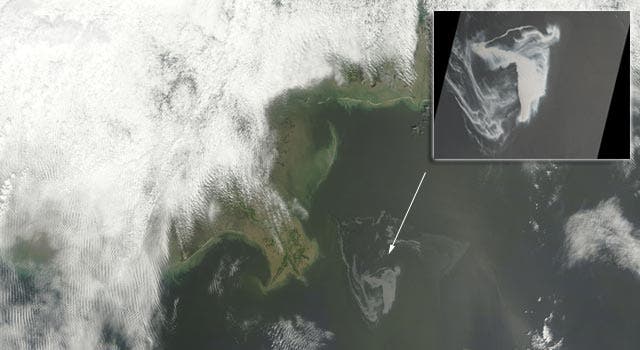
Since the April 20 catastrophe, when a BP-owned oilrig exploded, killing 11 workers, a high estimate of 39 million gallons of oil have now been spilled. And though prices remain steady since the Deepwater Horizon spill, local vendors said that wouldn't last.
"Right now it's not affecting us at all because we don't buy from there. But if it spreads to the Atlantic then the problem will be major," said Sylvan Blanchard, the seafood and sushi department manager at Wilton's Village Market.
Find out what's happening in Wiltonfor free with the latest updates from Patch.
Blanchard buys most of the store's shellfish from Costa Rica and Chile and much of his seafood comes from the Atlantic. But two powerful Gulf currents could carry the oil into the open ocean. Industry analysts agree that that would spell environmental and economic ruin.
U.S. Coastguard officials recently reported that tar balls were washing up on the beaches of a Key West, Florida state park. The Keys are the world's third-longest barrier reef.
Find out what's happening in Wiltonfor free with the latest updates from Patch.
The officials said these globs of concentrated oil indicate Gulf currents are sweeping leaking crude oil up the Atlantic coast. Indeed, computer models indicate the oil has already entered one of two powerful Gulf currents, according to the NY Daily News.
To date the National Oceanic and Atmospheric Administration shut nearly 46,000 square miles, or 19 percent of federal waters to fishing. The closure extends from the Louisiana coast, across Mississippi, to Florida.
With Gulf fishermen dry docked, prices for wholesalers and restaurateurs will rise, according to industry analysts.
Even if local restaurants and stores don't buy Gulf shellfish or seafood, increased demand from other sources may drive up prices. In New York City, the Blue Ribbon Fish Co. is paying 4 cents more per oyster, although none of the products come from the Gulf region, according to Crain's New York.
Village Market's Blanchard, who has been in the fish business for 35-years, has never seen anything like this.
"To tell you the truth, this is bad," he said. "This scares me."