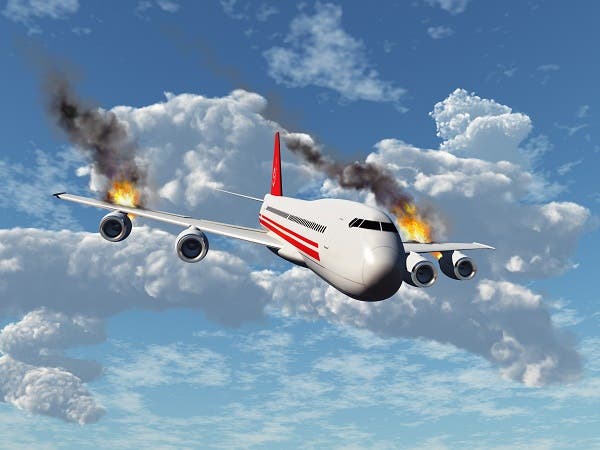
Out of the 1153 air crash fatalities that were reported between, 1981 and 1990, 2 percent of them were as a result of fire. Going by this rate, fatalities would increase by four percent every year. USA today recently reported that post-crash fires have claimed 600 lives so far. This is not a small number and the trend has to be reversed. An incident that clearly highlighted the brutality of post-crash fires happened in Anchorage Texas. Police officer Will Cameron spoke to USA Today news crew as he recalled the rescue efforts to save victims from a fire that had resulted in an airplane crash.
4 Year old, Died In The Fire
On June 1, 2010, a fire exploded when a small aircraft smashed into the parking lot of a building in Anchorage. This happened as a result of a failed takeoff. Passersby ran to try and rescue four people burning, however, attempts to rescue four-year-old Miles Cavner were not successful. The airplane cabin got engulfed in the fire and he could not reach the boy.
Stacie Cavner the boy’s mother screamed, pointing the police to her burning son. Will Cameron spotted the boy, but at that time his body was already scorched by the fire. Cameroon sadly reflected how they tried to go back to rescue the boy, but the fire was too much and they could not reach him. The look on the mother’s face was one he would never forget.
Find out what's happening in Windsorfor free with the latest updates from Patch.
FAA Declines to Comment On The Story
The Federal Aviation Administration declined to comment on the matter. The National Transportation Safety Board, which is mandated with the task of investigating crashes and making recommendations heavily criticized FAA for rejecting some of the suggestions they made related to fire prevention. The recommendations date back to 1980 when they suggested that FAA should acquire fuel systems which resist rupture. According to NTSB, airplane fires had managed to kill 1,734 persons between 1974 and 1977. Eliminating these fires could save over 300 lives every year and save them from product liability cases.
FAA Claims Recommendations are Too Costly
In 1980, FAA rejected the proposal and cited budgetary restrictions. They also said that they were other priorities apart from research and development. One wonders what priorities they could have that are more important than saving lives. In the recent past, a Canadian safety Agency that fronted the 1990 safety proposal was spurned by FAA. A representative speaking on behalf of the Transport Safety Board of Canada stated that, the FAA had massively underestimated the value of life when they chose to ignore the proposal. They also said that they would revise the proposal to show how its implementation could have a cost benefit for FAA.
Find out what's happening in Windsorfor free with the latest updates from Patch.
After facing a slap on their proposals, the Canadian board concluded that, FAA does not seem to grasp the risks that come with post-impact fires. The sentiments of the Canadian board were also echoed by Harry Robertson, who was consulting for FAA, in his report, he concluded that the standards that FAA were using were horribly inadequate.
Recourse for Victims
Victims of the Anchorage airplane crash could only be helped by aircraft accident lawyers, who understand personal injury law and how to secure them a fair settlement. However, investigations into airplane crashes often take long and foremost victims justice is delayed and hence denied.