Neighbor News
3 Keys to Establishing a Solid Relationship With Your Landlord
With the uptick in housing development in Washington, D.C., it's important for new residents to reach out to their landlord.

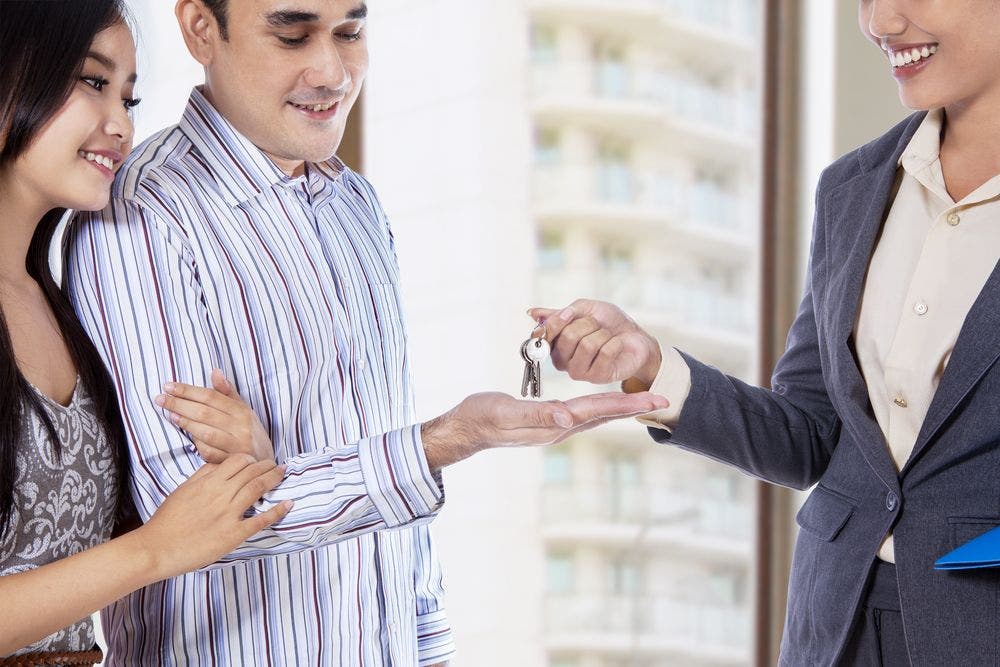
It’s move-in day at the new apartment. You’re busy unloading your heavy furniture, endless bags of clothing, and boxes of decor. With the uptick in housing development and home sales in Washington, D.C., and the boom in government jobs attracting young professionals, you got in at just the right time and found a perfect place to call “home.”
But while you’re busy settling in and building relationships with your neighbors and colleagues, don’t forget to reach out to your landlord. After all, he or she is the one person with the power to make your living situation sheer heaven — or a living hell.
Boarding Buddies
Find out what's happening in Georgetownfor free with the latest updates from Patch.
Building a relationship with your landlord can be the ticket to some serious benefits — everything from expedited, high-quality service to a return on your security deposit when you move out.
If you’re dealing with a large property management company, making connections may be tough because there can be multiple employees managing numerous listings. They tend to value consistent payments, deal with noise complaints, and focus on compliance and repairs.
Find out what's happening in Georgetownfor free with the latest updates from Patch.
Greater opportunities to build real landlord-tenant relationships are possible if you’re with an independent landlord or a small property management company. But no matter your situation, playing ball is well worth the effort. The key is establishing a professional, respectful rapport early on — and sticking with it for the long haul.
Getting the Word Out
It all comes down to open communication and setting clear expectations. Establish a preferred line of communication with your landlord (email, phone, or text). If he or she refuses to provide the basics, that’s a major indicator of potential future problems.
Additionally, discuss the maintenance process and policy because it’s not a question of “if” an issue will arise — it’s a question of “when.” Any credible landlord should have an organized action plan, whether it’s having an on-site maintenance worker address problems when called or a more elaborate online submission form. Regardless, know the policy ahead of time so you can set expectations accordingly.
As the relationship evolves, you may even have the opportunity to renegotiate rent. In fact, with such a high supply of living spaces at 7.5 housing units per 1,000 residents in the D.C. area, some landlords are doing just that to keep their luxury apartments filled. It’s a seller’s market these days, which means tenants have all the cards.
Just remember that a high-quality landlord-tenant relationship requires consistent upkeep. Avoid patterns of nasty experiences that breed resentment and drive you to the back of the line when sending requests for repairs.
Landlord Love
You’ll get a feel for how your landlord conducts business depending on response times, preferred communication methods, language, and even tone of voice. Here are a few tips to help strengthen your relationship:
1. Be consistent. If your landlord prefers speaking on the phone directly, avoid sending texts or infrequent emails. He or she may have a particular system of recording, coordinating, and tracking tenant-landlord relations. By ignoring these preferences, you could throw the system into disarray and create unneeded stress.
2. Answer the call. As with any form of communication, it’s a two-way street. Treat others as you want to be treated. If you expect your landlord to respect you and respond in a timely fashion, reciprocate the effort. Generally, landlords work to give tenants privacy and only reach out with important messages such as unscheduled maintenance or repairs. Don’t ignore phone calls or emails — not only is it rude, but it’s also a recipe for unpleasant surprises.
3. Don’t bite the hand that feeds. Disagreements can occur every now and then. When they do, remain professional, and persevere. Your landlord is not the avenue for arguing or venting frustrations. He or she is responsible for your current living situation and can make easy maintenance repairs more difficult if he or she feels disrespected.
The recipe for any lasting relationship is trust and respect. Treat your landlord like you treat your friends, and you and your living space will be all the better for it.