Community Corner
5 Facts to Know About Driving Without Insurance
These five facts may change your mind about driving without insurance.
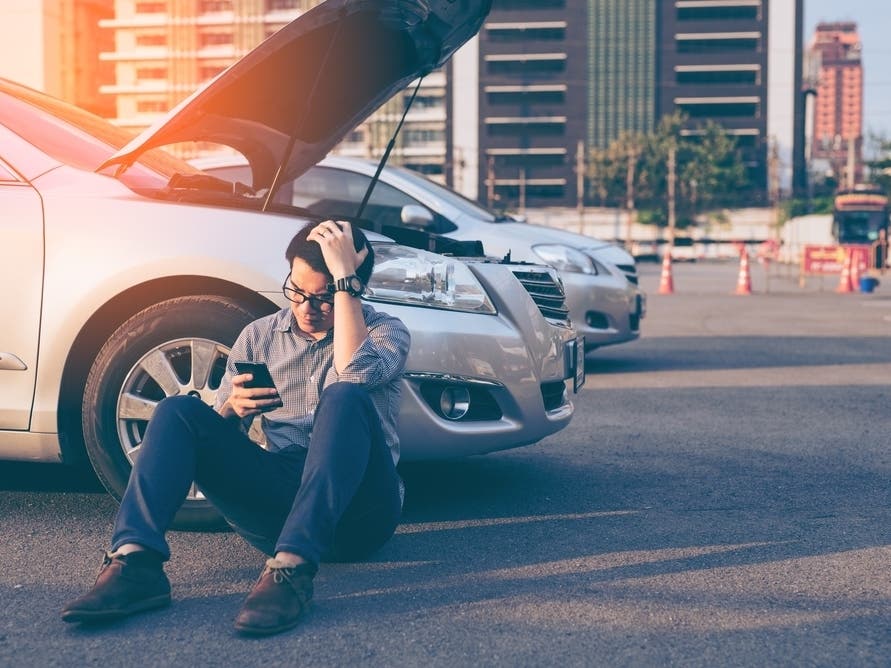
When money is tight, it can be tempting to cut corners wherever you can. For some, cutting out car insurance could seem like a way to save money. If you are one of those who are considering canceling your car insurance, you might want to think twice.
It is illegal in most states.
Believe it or not, driving without car insurance is illegal in 48 states and the District of Columbia. (The exceptions are Virginia and New Hampshire.) These states require drivers, at a minimum, to have bodily injury liability coverage and property damage liability coverage. States vary on additional required coverage, so you will want to double-check that you have the bare minimum required in your state.
Some states may also require other types of insurance, such as uninsured motorist coverage or underinsured motorist coverage, personal injury coverage, medical payments coverage, and property protection coverage.
Find out what's happening in Georgetownfor free with the latest updates from Patch.
State law does not typically require collision coverage and comprehensive coverage. However, if you have an auto loan, your lender may require it.
It can result in fines, loss of driver’s license and vehicle registration, or jail time.
The legal consequences of breaking state law and driving without insurance can result in fines, loss of driver’s license and registration, or jail time. Not these are the consequences enforced by the state, and other consequences could result if you are found liable in a vehicle accident.
Find out what's happening in Georgetownfor free with the latest updates from Patch.
You could foot the bill for vehicle repairs.
If you do not have insurance and are in an accident, you could be responsible for paying for the cost of repairs. These could be repairs for just your vehicle or both vehicles, depending on the fault laws of your state.
If you live in a no-fault state, each driver is responsible for the repairs to their vehicle, regardless of which driver was to blame for the accident. However, if you live in an at-fault state and you have been held liable for the accident, you will be responsible for damages of both yourself and the other driver.
Note that some states have limits to what an uninsured driver can recoup from an accident, even if they were not at fault.
You could be sued.
If you are found at-fault and are responsible for damages from the accident, the other driver could sue you for compensation of damages. It is common for drivers to choose to sue an uninsured driver since there is no insurance company to pay out a settlement. Since you do not have car insurance, you can represent yourself or hire a lawyer. You will be responsible for the costs associated with a trial.
Insurance will be challenging to obtain.
If you decide to drive without car insurance, then later decide to become insured, it could be difficult to find an insurance company willing to cover you. Additionally, your rates will be higher because you had a break in your coverage.