Traffic & Transit
Allstate Report Finds DC-Area Drivers Have Poor Driving Habits
D.C. drivers could benefit from being more cautious.
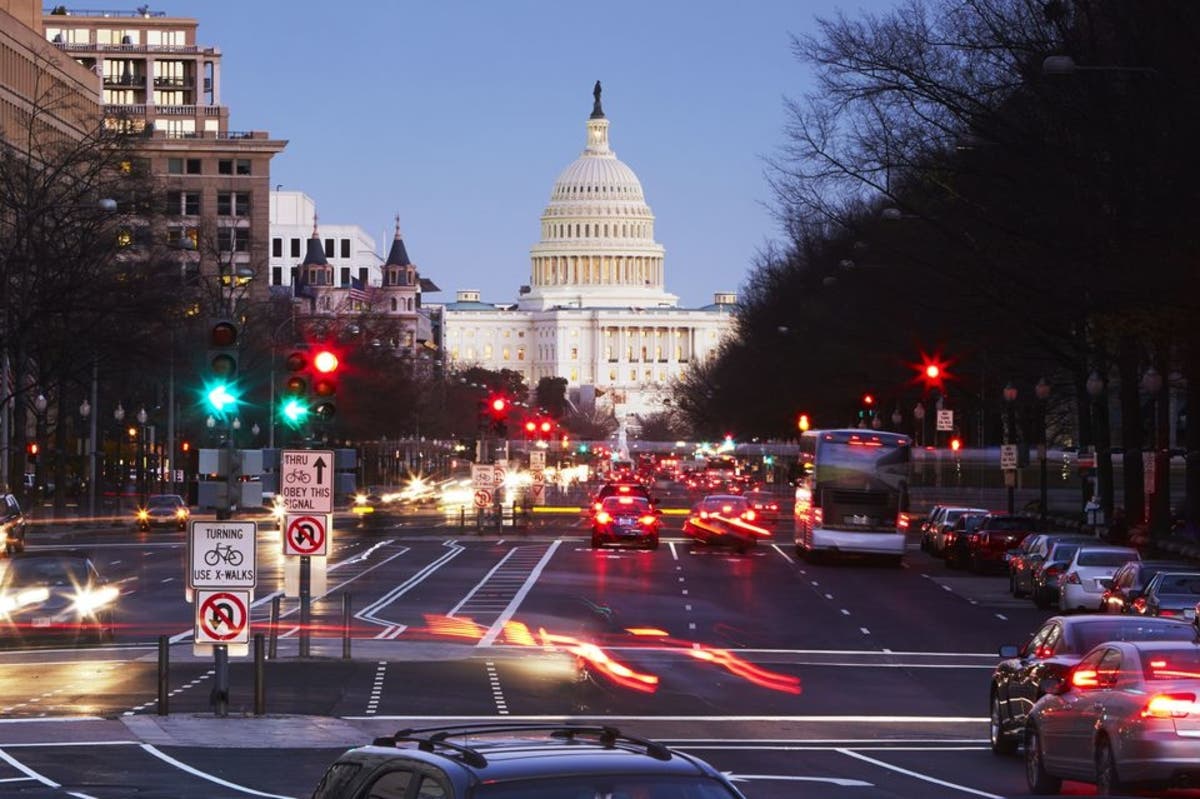
Allstate recently released their “America’s Best Drivers” summary, and according to the data, D.C. drivers could benefit from being more cautious. Hard-braking events and damage claims comprised the data, and D.C. was listed near the bottom of 200 cities that were examined (#198, to be exact).
Dangerous driving behaviors can be detected through hard braking, which is when a driver’s speed is reduced by (at least) 8 mph in just one second. When drivers are distracted, tailgating, or are acting aggressively, the likelihood of accidents and DUI penalties increase. Drivers in the D.C. area are hard-breaking 26 times over the course of a 1,000-mile driving period.
Allstate was able to gather the data through a voluntary program called Drivewise, which is capable of analyzing a driver’s breaking, speed, and which times during the day they tend to drive the most.
Find out what's happening in Georgetownfor free with the latest updates from Patch.
How often do accidents occur because a driver was following too closely? According to the NHTSA, tailgating causes 23% of car collisions, which results in 2,000 fatalities and 950,000 injuries annually. These numbers are shockingly high and could be dramatically reduced simply by drivers implementing more caution.
Drivers who are concerned about safety must learn to allow for even more extra room between cars – having extra space is imperative to keep all vehicles safer on the road.
Find out what's happening in Georgetownfor free with the latest updates from Patch.
Michelin discovered that there may be a disconnect regarding whether or not drivers know that they’re actually tailgating when they engage in the behavior. 74% of drivers feel they’ve been tailgated over the course of the past 6 months, and they revealed it to be highly annoying. However, just 11% of drivers admit to tailgating.
Drivers who are aiming to be safer by lowering the distance between their car and other vehicles should ensure that at least 10 feet of space is allowed between the vehicles for every 10 mph that the vehicle is traveling. For example, if a car were traveling at 55 mph, then 55 feet of stopping distance would be required.
Since it can be tricky to measure distance when the vehicle is in motion, the following tip may be helpful: Drivers should find a point on the street and count the seconds that it takes from when the car ahead of them passes it and stop when the car they’re driving passes it. The count time should be at least 3 seconds from when the car ahead drives past the object until the car behind them. An extra second should be added (or even two) in fast, wet, or dangerous road conditions.
Drivers must never tailgate as a way to demonstrate their frustration if the car in front of them is not going fast enough. Instead, it’s always better to wait for a safe break in traffic that will allow for passing.
Those who are being tailgated should drive defensively to prevent a collision. Slower traffic should stay in the right-hand lane; this is state law in certain areas.