Business & Tech
Are Whistleblowers Protected?
A whistleblower is a person who brings attention to an organization engaged in illicit activity.
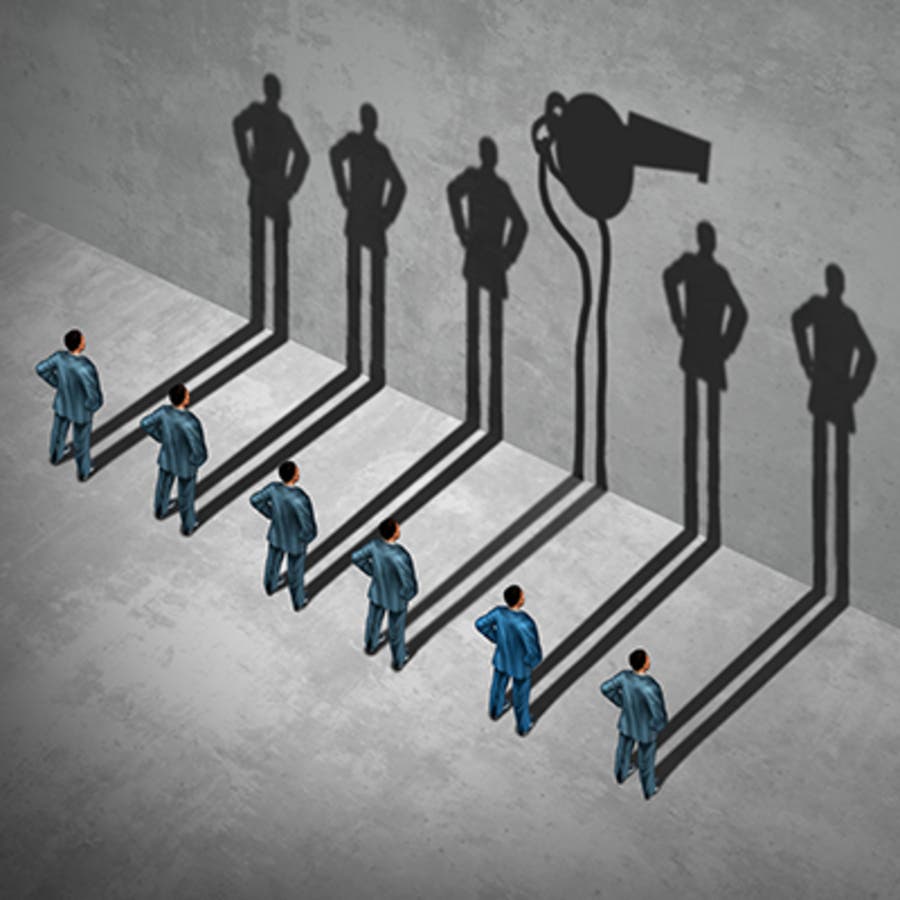
A whistleblower is a person who brings attention to an organization engaged in illicit activity. Most of the time, whistleblowers expose gross waste, fraud, mismanagement, abuse of power, or a specific and serious or substantial danger to public health. For this reason, whistleblowers are generally given federal protections against retaliation.
The first whistleblower law actually dates back to the founding of our country. The law went into effect on June 30th, 1778 when the Continental Congress declared it:
“...the duty of all persons in the service of the United States, as well as all other inhabitants thereof, to give the earliest information to Congress or any other proper authority of any misconduct, frauds or misdemeanors committed by any officers or persons in the service of these states, which may come to their knowledge.”
Find out what's happening in Georgetownfor free with the latest updates from Patch.
Thus, June 30th became National Whistleblower Day.
While whistleblowers for private organizations are offered legal protections, those who work for the federal government or government contractors are offered protections as well.
Find out what's happening in Georgetownfor free with the latest updates from Patch.
The Whistleblower Protection Act of 1989 sought to give remedy to federal employees who needed to report fraud, abuse of power, and waste. In 2012, the Whistleblower Protection Enhancement Act went into effect, offering further protections. Former President Barack Obama extended protections through executive order that same year by drafting Presidential Policy Directive 19 entitled “Protecting Whistleblowers with Access to Classified Information.”
This policy granted protections to whistleblowers who had access to classified information from reprisals from their supervisors, including protection from having their access to classified information removed. However, these protections are only extended to whistleblowers who report illicit activity within their own department or within the established chain of command.
A whistleblower who leaks protected, classified information to the press, for example, is not protected. “If you feel that you have to report some information that exposes fraud, waste, abuse, or other illicit activity, check with an attorney to determine if whistleblower protections will cover you,” says Jonathan Marigliano, senior partner for PMHP law firm and personal injury attorney in Atlanta, Georgia.
This is how Reality Winner found herself serving 63 months in federal prison in Georgia. Unlike whistleblowers like Edward Snowden and Julian Assange, who found protection from prosecution in other nations, Winner had no such protections when she mailed a classified document proving Russian meddling in the 2016 elections to the Intercept.
Winner, like Chelsea Manning before her, is now serving time for the crime of leaking classified information. Like Manning, Winner was a former member of the United States Armed Forces, having enlisted in the Air Force right out of high school. She dreamed of securing a job where she could utilize her fluency in Farsi, Dari, and Pashto and serving overseas in Afghanistan.
Now, she is trying to make it through the 5-years-and-3-months prison sentence that she’ll serve at the Federal Bureau of Prison’s medical center in Carswell, Texas. There, Winner will be close to her family and will also receive treatment for bulimia.