Health & Fitness
Exotic Pets Perfect for City Life, Part 2: Birds
City life is a busy life that often comes with its own unique set of lifestyle demands. In this series we discuss exotic animals that make great city pets. In this installment we talk about birds.
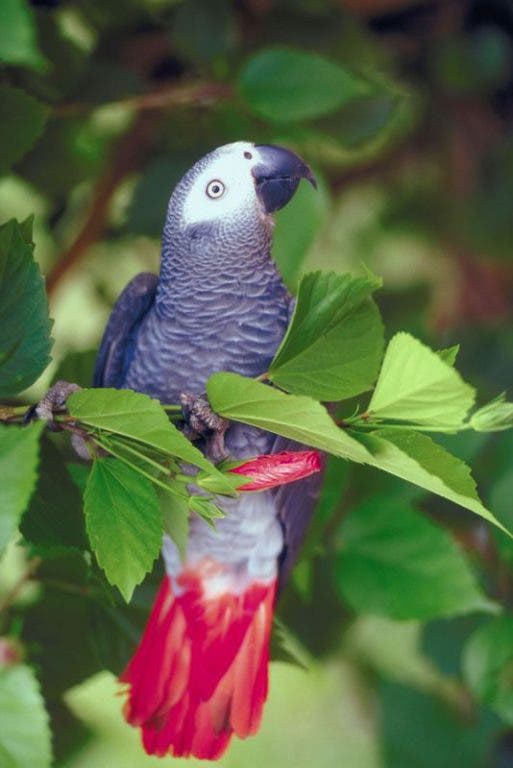
In the previous installment of this series, we discussed fish as excellent pets for city dwellers. In this post we'll talk about birds – beautiful companions who can fill your life with song, or interact with you on the same level as a young child!
Birds make wonderful pets for people who live in small spaces, because they are for the most part happily and safely contained in a bird cage. While birds have the instinct to fly, most bird owners regularly clip their birds' wings to prevent flight, for their birds' safety. A bird with clipped wings and the right personality can be allowed to explore outside the cage, such as sitting on your shoulder, or an exposed perch. Some birds are particularly well suited to this kind of exploration, such as parrots, while others do best in the security of an enclosed cage.
Find out what's happening in Georgetownfor free with the latest updates from Patch.
Single people may find birds are amazing companions, but birds can be very possessive of their owners, and sometimes they treat their owners' new boyfriends or girlfriends rudely. Birds can be an expensive investment, with purchase prices that are regularly in the hundreds of dollars range, and hundreds more to invest in a proper cage and other equipment. But some breeds have very long lifespans, so you will have them as a long-term pet. Your budget, the amount of time you have to spend with your bird, and what you want your bird to do should determine the type of bird you get. If you want a bird with a beautiful song to fill the air, try songbirds. If you want a bird to speak to you and interact intelligently, a parrot is the way to go.
Find out what's happening in Georgetownfor free with the latest updates from Patch.
Some common types of birds include:
-
Parrots: Parrots come in all kinds of shapes and sizes, and varying degrees of intelligence. While most parrots can learn to talk, some only repeat a few phrases, while others master the vocabulary of a 2-5 year old human. Especially intelligent and interactive parrots are African grey parrots. They have a very long lifespan, so they are truly lifelong companions. Their intellect equals that of a 5 year old human, while they have the emotional intelligence of a 2 year old human (so expect some “terrible twos”!). Their talking is almost unparallelled in the world of birds, and they are known for their playfulness and loving nature. Find out more about this type of parrot at African Grey Parrots.
-
Cockatiels: Somewhat less expensive than their larger parrot kin, but also quite talkative, colorful cockatiels also live many years and make playful, fun pets. Cockatiels mimic speech rather than learn vocabulary to use. They are good at whistling and can be taught to whistle songs, as well. Because cockatiels enjoy being held and petted (if they are exposed to human handling early in life) they are regarded as a loving pet that can be cuddled. Learn more at Cockatiel Cottage.
Lovebirds: Lovebirds are also parrots, but very small parrots, so they don't need an expansive cage like larger parrots and cockatiels. They are also very hardy and don't frequently contract illnesses if cared for correctly. They are also not as noisy as bigger birds, and not as destructive to property. Lovebirds rarely mimic speech, but they do mimic noises like whistles. They are aggressive when placed with other birds of different species, so it's best to keep them solo or in a pair – which is when they'll earn the name 'lovebird', as paired lovebirds dote upon one another. Find out more about lovebirds at Lovebird Mania.
All birds produce noise, and some are noisier than others. Some birds have a nasty habit of screaming, and can seriously disturb your neighbors. If you live in an apartment building, you may have to take into account the amount of noise your bird is making when you're not home or not directly paying attention to it. If you're receiving complaints, consult an expert about how to modify your bird's behavior. Sometimes adding toys or otherwise changing the environment can help.
In the final post of the series, we'll take a look at another much-beloved exotic, rabbits. Stay tuned!