Health & Fitness
Take These Steps to Reduce Your Pets' Risk of Poisoning
It's National Animal Poison Prevention Week. Learn ways to reduce your pets' risk of poisoning by educating yourself and removing access to known toxins. Your pet's safety will give you peace of mind!
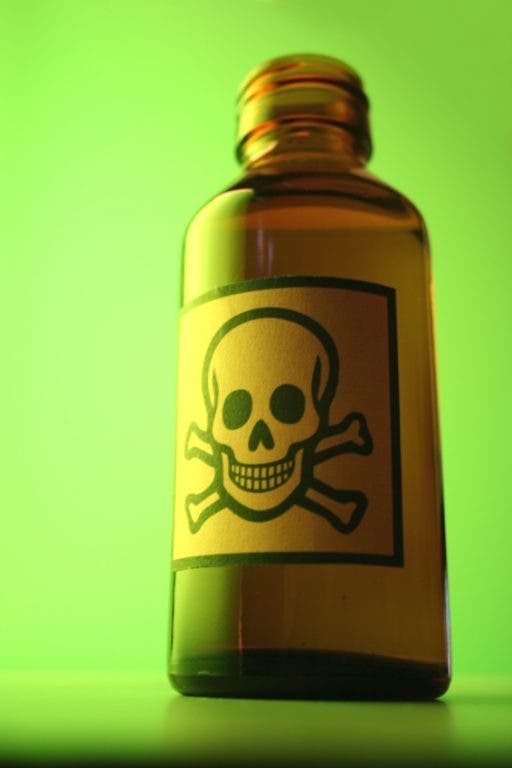
This week is National Poison Prevention Week, and the ASPCA has launched National Animal Poison Prevention Week alongside it to raise awareness about animal poisoning and help pet owners learn about toxins they need to remove from their pets' environments.
The ASPCA runs the Animal Poison Control Center, a 24/7 hotline that you can call for advice if you think your pet may have been poisoned or if you have questions about whether or not something is toxic to your pets. The Pet WIKI explains:
The ASPCA National Animal Poison Control Center wants to educate pet owners about poison safety. The Center is the only poison control hotline for animals in North America. Service is available 24 hours a day, 7 days a week, 365 days a year. Staffed by 16 veterinarians including 4 board-certified animal toxicologists and 6 certified veterinary technicians. The number to call for assistance is 1-888-4ANI-HELP.
Find out what's happening in Georgetownfor free with the latest updates from Patch.
The ASCPA suggests some ways you can reduce the chances of your pet being poisoned:
- "Pet Proof" your home. Store cleaning products, medications, bug and vermin killers and other known toxic chemicals well away from the reach of pets, in a cabinet or drawer they won't be able to access.
- Research people foods that are poisonous to animals, such as chocolate, onions and garlic for dogs and cats. The ASPCA has a good list to use as a starting point.
- Pay attention to the news for recalls of pet food products that may be contaminated. You've probably heard about recent recalls on dog and cat dry food and treats, but this kind of news happens all the time and it's important that you stay informed. The FDA has a list of pet food recalls online.
- Find out what plants are in your house and eliminate any that are poisonous to pets. Lilies, for example, are common indoors plants but are highly toxic to cats. The ASPCA has a thorough list of plants that are toxic to dogs, cats and horses, including photos.
- Never give your pet any medication intended for humans without explicit instructions from your vet. It's true that sometimes human drugs can be given to pets in smaller doses, but doing this without your vet's OK and detailed instructions is extremely dangerous!
- Ask your vet about the best flea and tick treatments to use on your pet. Not all such products are safe for every kind of pet, and you may need to take special care if your pet is pregnant or ill.
- Remove your pets' access to common household items like play dough (especially homemade), cigarettes, coffee grounds, potpourri or other scented oils, mothballs, dish detergent, alcohol, hand and foot warmers (shoe or glove inserts), fabric softener sheets and batteries, as they can be toxic.
- Dog and cat products aren't equal! Use dog products only on dogs and cat products only on cats, unless directed otherwise by your vet.
- Read labels on cleaning products, bug sprays and other chemicals to ensure they are safe for your pets. Often we introduce chemicals into the home that we don't realize can be toxic to our pets, and because pets are on the carpets and floors where such chemicals commonly end up, they are far more readily exposed than humans! If there is no mention of pet safety, call the manufacturer or your vet to check.
- Ask your vet before "bombing" your house for any pests. You may have to clean every surface that your pets touch before allowing them back into your home after it's been bombed.
- Lock away automotive chemicals like gasoline, motor oil and especially antifreeze, as pets can die from drinking them.
Should you ever find yourself in a pet poison emergency, when every second counts, it may be helpful to have the ASPCA's National Animal Poison Control Center and your vet saved as contacts in your phone. Or write the numbers out and display them clearly on your fridge or another place where you'll know to look for them.
Find out what's happening in Georgetownfor free with the latest updates from Patch.
Here's hoping you'll never have to call with such an emergency. By following the ASPCA's tips for reducing the likelihood of poisoning, you and your pets will hopefully enjoy a worry-free life!