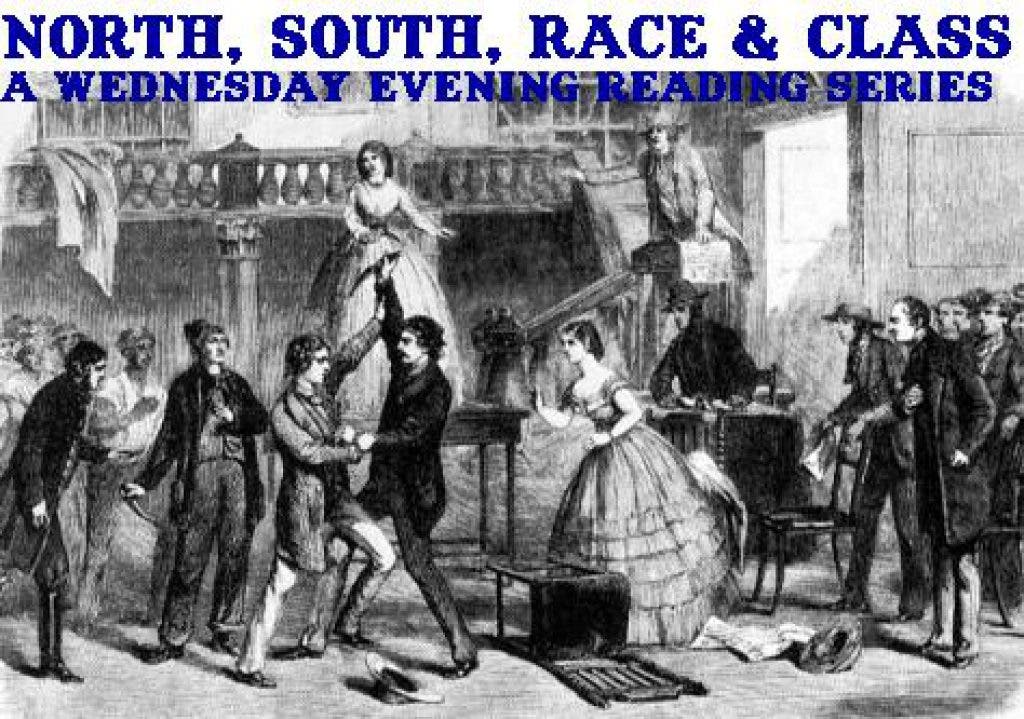
North, South, Race & Class, A Staged Reading Series of 19th Century Plays
7:30 Wednesdays at Grace Church,1041 Wisconsin Ave, (below M Street, in Georgetown)
February 8 -- Obi, or Three Fingered Jack (by Thomas Hailes Lacy) is set during a slave rebellion in Jamaica, The legend of Three-Fingered Jack reputedly has its origins in a true story, circa 1780. The play is based on a pantomime of 1800, which featured the famous African-American actor Ira Aldridge. The late-18th- early 19th century saw slave rebellions in Haiti and in the USA. The horrifically violent nature of the Haitian rebellion caused panic in slaveholding southern states.
Find out what's happening in Georgetownfor free with the latest updates from Patch.
February 15 -- The Gladiator (by Robert Montgomery Bird) tells the Spartacus story. Although championed by Abolitionists, the story of Spartacus was also popular with classically educated southerners; slaveholders refused to acknowledge the similarities between the noble gladiator and enslaved people of color.
February 29 -- The Octoroon (by Dion Boucicault) was one of the biggest hits of mid-19th century American theatre. It is the story of a beautiful mixed-race girl raised as white; when her father dies in debt, she is sold as property. Like the novel Uncle Tom’s Cabin, The Octoroon sensationalized the peril of a young slave woman at the hands of an evil white man. The play also serves as an apology for aristocratic slave-owners by presenting them as kindly and broad-minded, while the lower-class white characters were depicted as vicious, lecherous immigrants. These stereotypes persisted is Southern literature until well into the 20th century.
Find out what's happening in Georgetownfor free with the latest updates from Patch.
March 7 -- The Escape, or A Leap for Freedom (by William Wells Brown) was written by an escaped slave who claimed that it was partly autobiographical, The Escape was widely read and discussed in Abolitionist circles.
Free Parking in The Georgetown Park Colonial Garage, with Grace Church validation